






 Portuguese
  Spanish


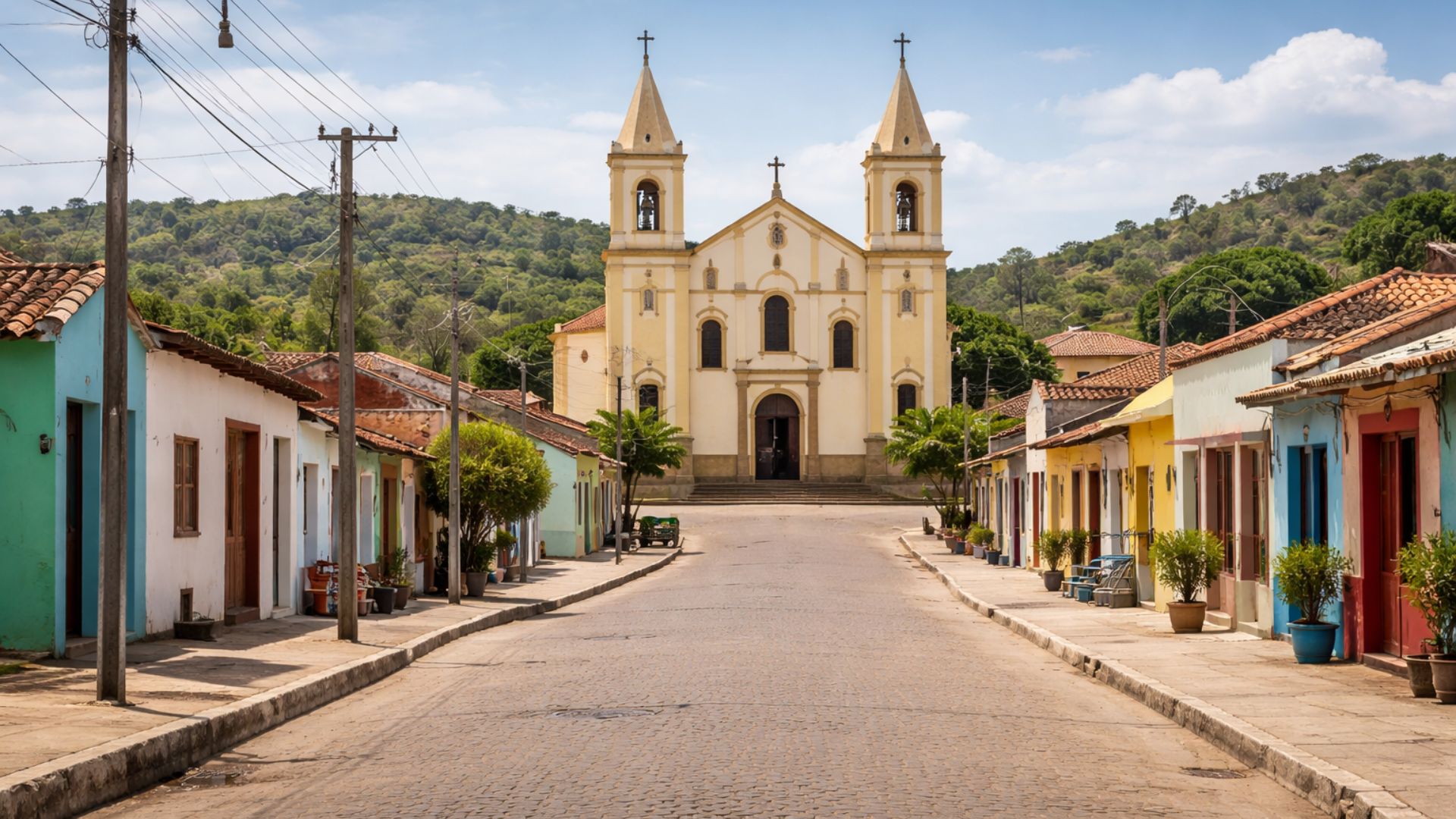


The Municipality of Alagoas Sertão Ranks Among the Most Extreme Cases of the New Religious Portrait of the Country and Draws Attention by Appearing in a Ranking Dominated by Southern Cities, at a Time of National Retraction of Catholicism, According to Official Census Data.
A small municipality in the Alagoas sertão has become part of the most restricted group of the new Brazilian religious portrait.
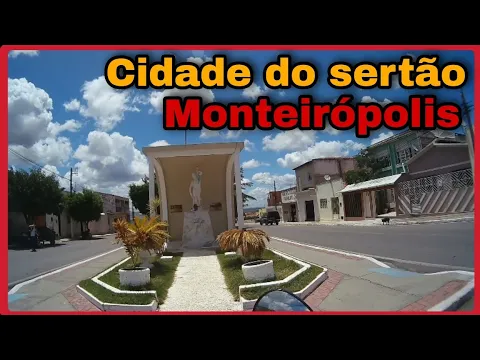
With 7,184 inhabitants recorded in the 2022 Census, Monteirópolis ranks among the 20 cities in the country where more than 95% of the population aged 10 and over declared to follow Roman Catholicism, according to data released by IBGE.
The local rate, which reaches 95.6%, becomes even more relevant when observed in contrast to the national scenario.
-
How to Prevent Brown Recluse Spider Bites: Common Hiding Spots and Free Tips to Reduce Risks

-
Natto: The Unusual Japanese Superfood Gaining Popularity on Social Media and Driving Record Exports
-
Brazilian Mayor Goes Undercover as Homeless for 24 Hours to Assess Public Services

-
15-Year-Old Entrepreneur Malu Lira Publishes 20 Children’s Books on Financial Education, Earns $500,000, and Expands Her Project to the Amazon Rainforest




Although Catholicism remains the largest religious group in Brazil, its relative share has decreased between 2010 and 2022, while the shares of evangelicals and people who declare themselves without religion have increased.
Monteirópolis Stands Out Outside the Southern Axis in the National Ranking
Monteirópolis’s prominence draws attention because the municipal ranking is largely dominated by cities from the southern region of the country.
Of the 20 municipalities with percentages higher than 95%, 14 are in Rio Grande do Sul, a state that concentrates some of the highest rates of Catholics in Brazil.
This pattern is often associated with areas of European colonization, where cultural and religious traditions have consolidated over decades.
Even in this context, Alagoas appears on the list through Monteirópolis, breaking the prevailing regional logic.
The city appears alongside Gaucho municipalities like Montauri, Centenário, União da Serra, Vespasiano Corrêa, Nova Alvorada, and Progresso.

Also included are cities from other states, such as São João do Oeste, Rio Fortuna, and Santa Helena in Santa Catarina, as well as Desterro do Melo in Minas Gerais, and Pilõezinhos in Paraíba.
Even though the ranking only includes 20 municipalities, the differences between them are small.
The percentages vary from 95.1% to 98.3%, reinforcing the exceptional nature of these localities within the current Brazilian religious map.
What the Census Considers When Measuring the Population’s Religion
The data used in the ranking originates from the religion question included in the sample questionnaire of the Demographic Census.
During data collection, enumerators recorded responses to the question “What is your religion or cult,” based exclusively on the self-declaration of residents.
Thus, the result does not depend on administrative records from religious institutions or indirect estimates.
The comparison between municipalities is based on the same methodological criteria across the national territory, ensuring uniformity of the data.
Another relevant aspect is the age range adopted by the survey.
The proportions released refer to the population aged 10 years or older, a range considered appropriate for religious identification according to IBGE.
Thus, the percentage of 95.6% observed in Monteirópolis specifically describes the declared composition within this age group.
Population Size Influences Rankings Based on Percentage
Rankings that consider percentage participation do not measure the absolute size of each religion.
The focus is on the proportion within the local population, which favors the prominence of municipalities with a small number of inhabitants.
In small cities, the predominance of a single religious group tends to produce high percentages.
In the case of Monteirópolis, the population size contributes to a significant concentration of Catholics translating into such an expressive rate.

Additionally, demographic variations tend to impact smaller localities more rapidly, where the population base is limited and relatively stable.
Still, the Census serves as an official snapshot of the collection period, providing a reference for future comparisons.
Fewer Cities with Almost Absolute Catholicism in the Country
While Monteirópolis exceeds the 95% mark, the national landscape reveals greater religious diversity.
According to IBGE, the proportion of Catholics in the population aged 10 and over has fallen between 2010 and 2022.
In the same period, the groups of evangelicals and those who declare themselves without religion have advanced.
This movement helps explain the reduction in the number of municipalities with almost unanimous Catholicism.
In the 2010 Census, there were 126 cities with more than 95% of the population declared as Catholic.
In the most recent survey, that total dropped to 20.
The decrease, however, does not mean a loss of Catholic predominance on a municipal scale.
Catholics remain the largest religious group in thousands of Brazilian cities, although with a smaller relative weight in the national context.
Local Characteristics Help Contextualize the Result
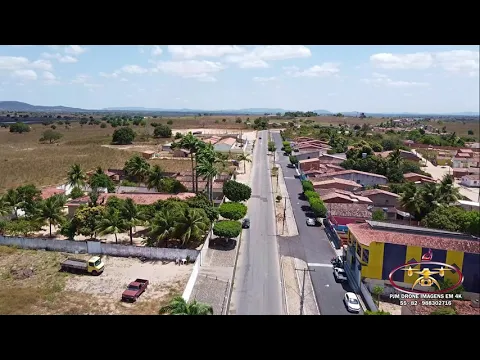
Located in the Alagoas sertão, Monteirópolis presents characteristics common to municipalities in the northeastern countryside.
According to IBGE, the city has an area of 86.605 km² and a recorded population of 7,184 people in 2022.
The urban dynamics tend to concentrate in central areas, with a strong presence of close community relationships.
This profile contributes to the relevance of elements linked to local identity, such as religion and tradition, in the self-declaration of residents.
At the same time, the data illustrates how national averages can obscure very distinct realities at the municipal level.
While large centers record increasing religious diversity, some cities maintain patterns of high homogeneity.
With Monteirópolis among the most Catholic municipalities in the country, what other official Census indicators can help understand how the city is organized and in what aspects it differs from neighboring localities in the sertão?







So do you really think God is an old Man as painted on the ceiling of the Sistine Chapel.If so that is seriously sad.He is eternally youthful and the most beautiful person,having the most beauty,strength ,fame,wealth,intelligence and renunciation.