






 Portuguese
  Spanish
  4 min of reading
  0 comments


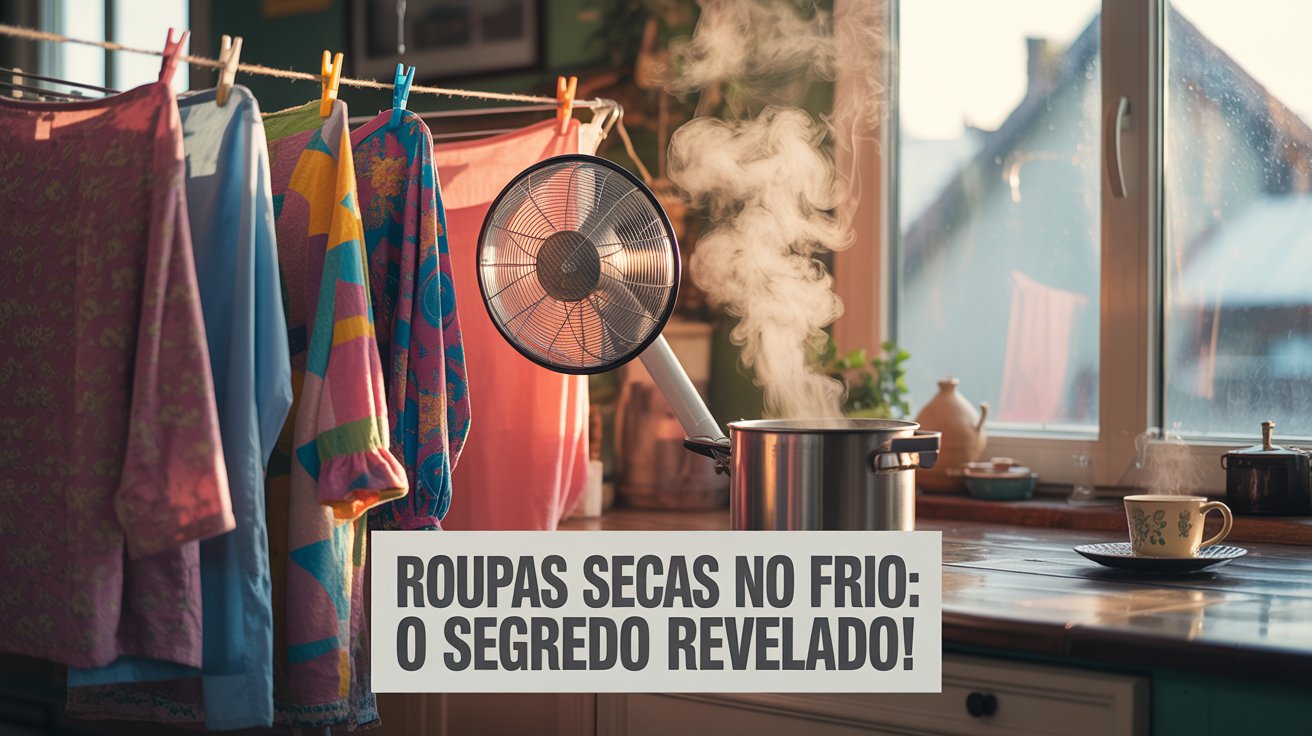
International Technique Has Been Adopted by Brazilians to Solve the Problem of Drying Clothes on Cold Days, Using Only Common and Accessible Items at Home. Solution Combines Economy, Practicality, and Protection Against Odors and Mold.
Drying clothes quickly in the cold has become a challenge for millions of Brazilians, especially in the South and Southeast regions, where winter usually brings rainy days, low temperatures, and little sunlight.
Without access to electric dryers, an alternative that has been gaining popularity in the country involves the combination of hot water, efficient ventilation, and a strategically positioned clothesline, a method inspired by common practices in the Netherlands and other European countries.
With the arrival of the colder months, the time required to dry clothing can increase significantly.
-
Brazilian mechanic invented a lamp made from a PET bottle during the 2001 blackout, the idea turned into an NGO present in 30 countries and has already illuminated 40,000 people in 200 communities without electricity in Brazil.

-
Centuries-old mystery gains new chapters in Greece after excavations reveal a possible lost temple of Poseidon, hidden among ancient lagoons, monumental remains, ritual objects, and an architectural plan that surprised even the experts.

-
2-month-old baby says “I love you” to parents and the video froze the internet: doctors say most babies only speak after the first year of life
-
At 98 years old, Priscilla Sitienei returned to school in uniform, sits next to children, and has a new dream: to become a doctor, after decades of working as a midwife in rural Kenya.


Many families report difficulties in keeping clothes dry and odor-free even after days hanging.
In places where the sun takes a long time to appear, like in cities with humid climates, hanging clothes indoors is routine, but the risk of mold and unpleasant smells is concerning.
In light of this scenario, the so-called Dutch trick for quickly drying clothes has gained traction among Brazilians due to its practicality and low cost.
The method, widely shared in online communities and social media, combines gentle heat sources, such as hot water, with active air circulation, speeding up the evaporation process of moisture from the fabrics.
How the Dutch Trick for Drying Clothes Works
The practical application of this method begins with washing the clothes.
Experts recommend using high-speed spin cycles, maximizing the reduction of excess water in the items.
For delicate fabrics, the guideline is to gently wring them by hand to avoid damaging sensitive fibers.
This initial care already contributes to a more efficient and faster drying process.
Right after washing, clothes should be carefully hung on a well-positioned clothesline.
It is essential to avoid crowding the items, allowing air to circulate between them.
Using hangers can facilitate the process, increasing the space between clothes and helping to maintain the shape of the items, preventing marks and deformations.
Ventilation and Heat: A Fundamental Combination
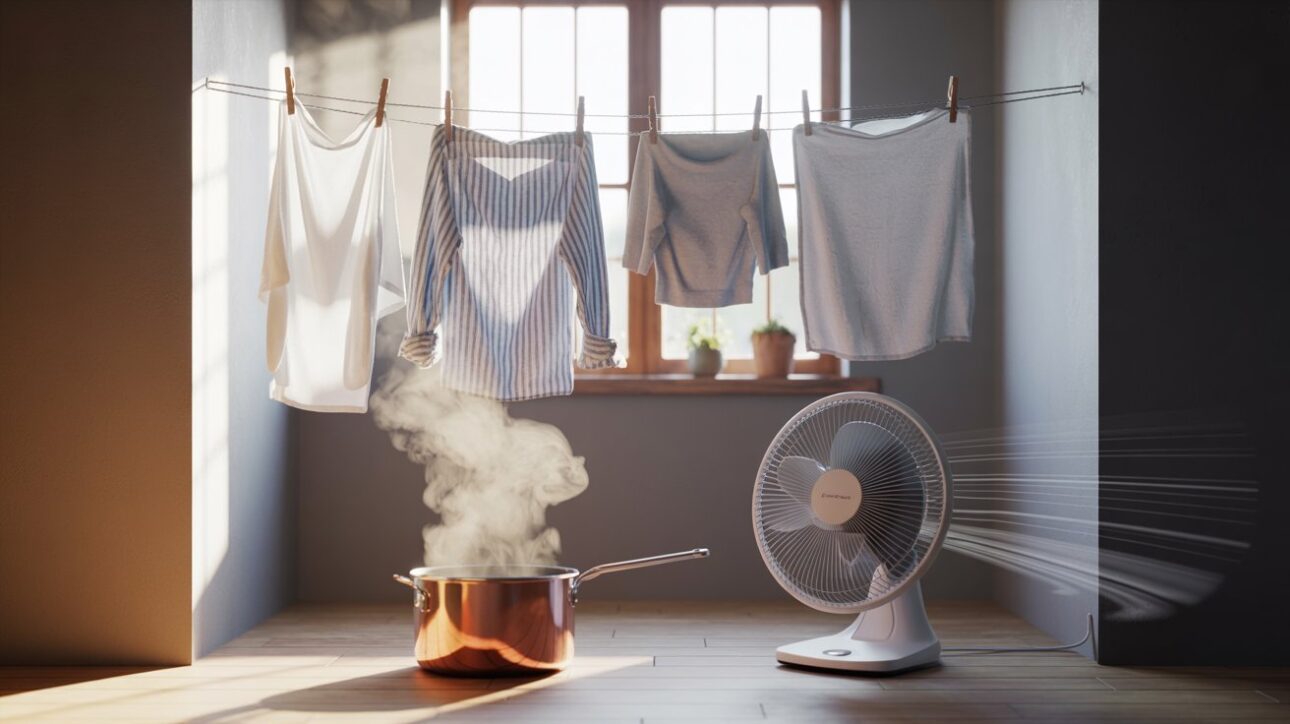
The key to the Dutch trick for quickly drying clothes lies in using a moderate heat source, typically obtained from hot water placed in basins, pots, or thermal bags near the clothesline.
This strategy raises the temperature of the surrounding environment, favoring the evaporation of moisture from the fabrics.
However, the method requires attention not to create excess steam in the environment, which could hinder the final result.
To prevent generated steam from accumulating and obstructing the drying process, it is recommended to open windows and doors whenever possible, as well as use fans or exhaust hoods.
Air circulation is considered fundamental for the success of the Dutch method because it prevents the humidity in the environment from increasing and promotes the transport of steam outside the room.
How to Position the Clothesline and Adapt in Apartments
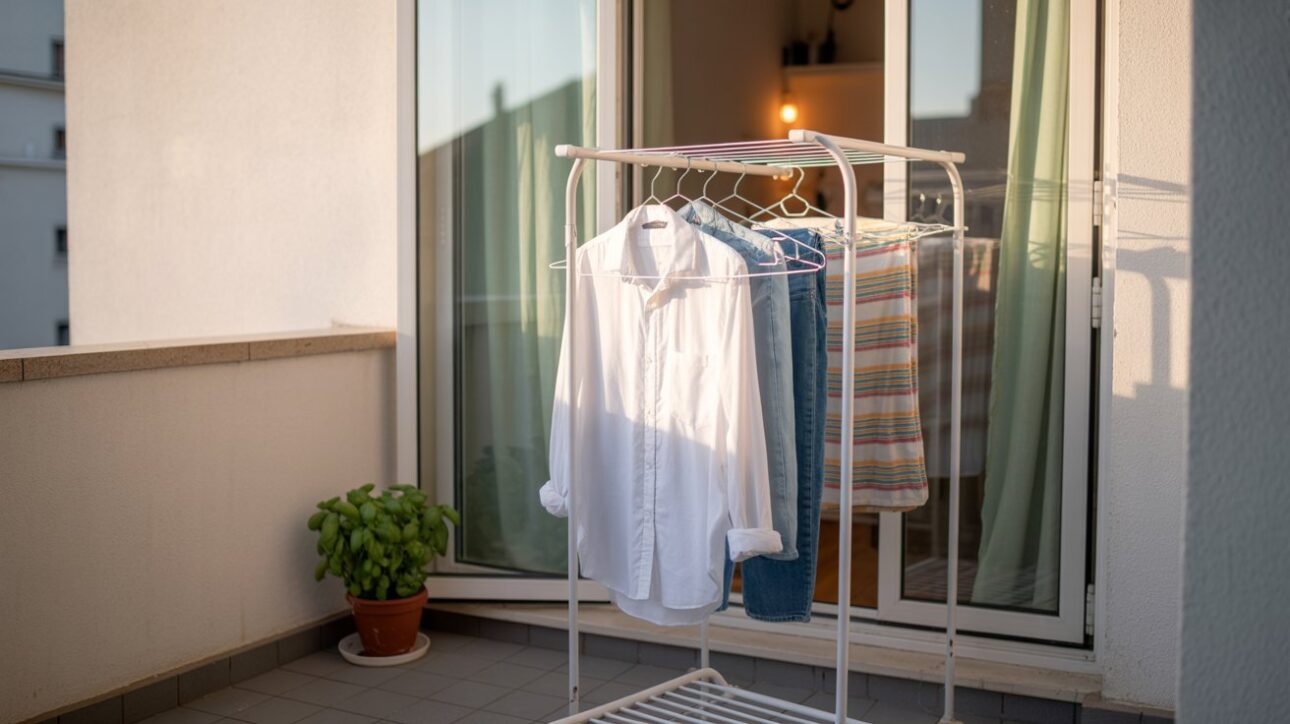
Another important guideline is the choice of location to set up the clothesline.
Proximity to windows, doors, or naturally ventilated areas makes all the difference.
When the sun appears, even if timidly, natural light also helps to accelerate the drying process of clothes.
In small apartments or those without balconies, adapting the space using mobile supports or ceiling clotheslines can be a viable solution.
Tips to Optimize the Dutch Method
Additionally, some complementary tips help improve the Dutch method for quickly drying clothes:
- Hanging a dry towel near the clothesline acts as a natural absorber, capturing part of the steam present in the air and further reducing the risk of excessive humidity in the environment.
- This simple and effective practice also prevents the appearance of mold on walls and furniture.
- Maintaining an adequate distance between clothes on the clothesline, renewing air in the environment several times a day, and observing signs of humidity on the walls are recommended actions.
- In homes with a large volume of clothes to dry, dividing items into smaller batches can speed up the process.
And you, have you tried any of these methods to combat humidity in winter? Share your experience and join the conversation!




Be the first to react!