






 Portuguese
  Spanish


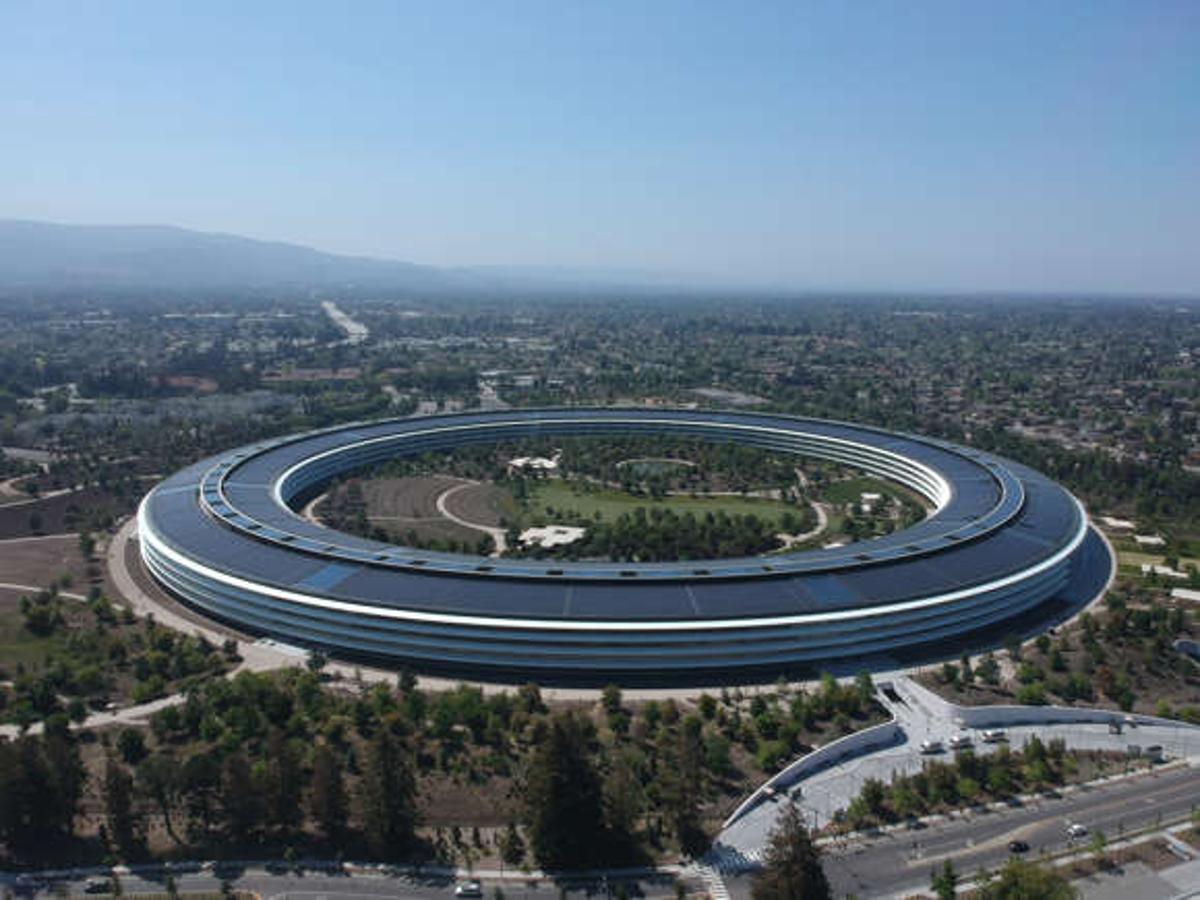
More Than Two Centuries of History Reveal How a Spanish Religious Mission, Founded in 1777, Gave Rise to the Most Powerful Technological Region on the Planet.
A historical transformation of great impact began more than 250 years ago, long before the digital revolution. What we now know as Silicon Valley, a global center of innovation, was born from a completely unexpected origin: a Spanish agricultural mission created by a visionary priest.
In 1777, under the leadership of Father Junípero Serra, the Mission Santa Clara de Asís was founded, located in the old New Spain, now California. This mission, erected in a fertile and sunny valley, was the first dedicated to a saint and named the place that, centuries later, would become the heart of modern technology.
The Foundation That Changed History
According to records from the University of Santa Clara and the Archdiocese of California, Father Serra oversaw the construction of nine missions between 1769 and 1784, during Spanish rule. The Mission Santa Clara stood out for its agricultural abundance and its importance in the cultural and religious expansion of the region.
-
Bosch Unveils Revolutionary 2.3 kg Hub Motor for E-Bikes with 45 Nm Torque and 400 Watts Power, Eliminating Resistance Above 25 km/h in Historic Shift for German Manufacturer

-
Brazilian Engineer Develops Marine Bacteria from Ubatuba into a Mini Power Plant Generating 227 mW per Square Meter, Cleans Air by Capturing CO₂ and Releasing Oxygen
-
Trump Signs Orders to Develop Quantum Computer and Bolster U.S. Systems Against Encryption-Breaking Attacks

-
Breakthrough in Clean Energy: Scientists Develop Battery-Free Artificial Photosynthesis Using Only Sunlight to Generate Chemical Energy


Moreover, the fertile lands of the valley and the balanced climate allowed for the flourishing of crops and small communities. Consequently, an organized population center emerged, which would later become the cradle of urban and scientific development in California.
From Agricultural Land to Technological Hub
Over the centuries, the same valley that once hosted farms transformed profoundly. During the 20th century, especially after the Second World War, local universities, such as Stanford, began to receive investments in military, electronic, and industrial research.
Thus, the region ceased to be merely agricultural and began to lead an unprecedented technological revolution. Scientists, engineers, and investors created a new innovation ecosystem. From this movement, companies that changed the world were born, such as Intel, Apple, Google, and Tesla.
These corporations, combined with the visionary mindset of the region, solidified Silicon Valley as the epicenter of global technology.
Legacy and Cultural Impact of the Mission Santa Clara
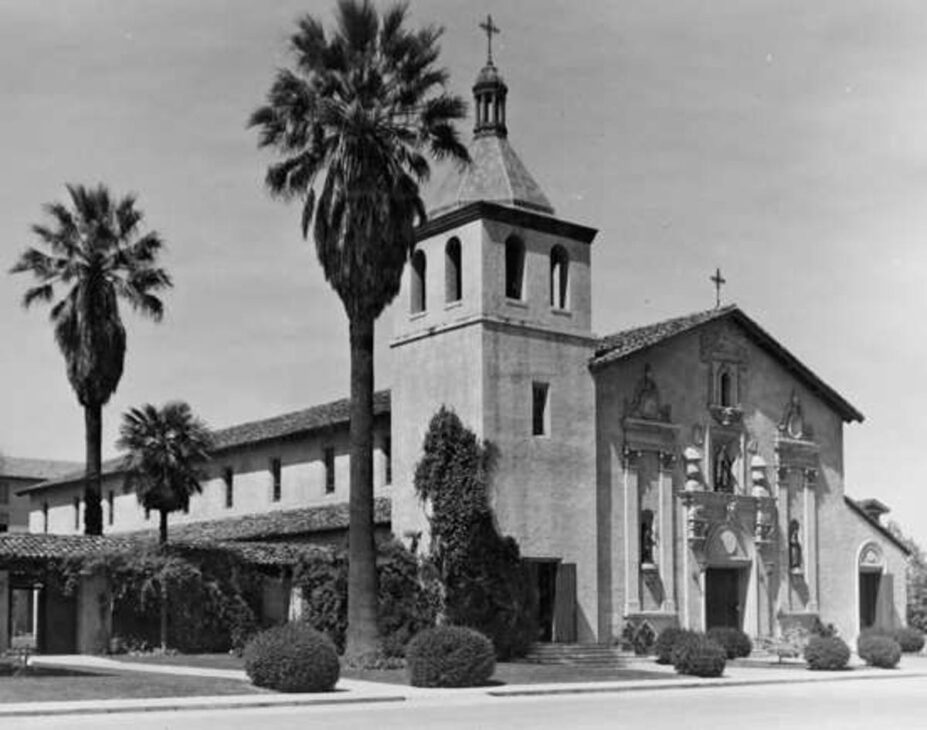
Today, the Mission Santa Clara remains a symbol of the connection between faith, education, and progress. According to the California Department of History, it was the first formal education center in the region and gave rise to the University of Santa Clara, one of the oldest in the state.
Furthermore, its intellectual legacy influenced the emergence of a culture focused on innovation and scientific experimentation. This historical foundation fostered the creation of startups, technology labs, and research centers, consolidating the Valley as a global icon of creativity and digital transformation.
The Past That Sustains the Future
The history of Silicon Valley shows that innovation arises from the union of vision, faith, and collective purpose. Just as Spanish missionaries sowed hope, modern engineers cultivated ideas that changed the world.
Today, among futuristic buildings and billion-dollar corporate headquarters, the spirit of Mission Santa Clara can still be felt. This legacy endures as a reminder that, before microchips and algorithms, it was the human courage to build the new that transformed a simple valley into a technological empire.
Will the future of innovation continue to honor these historical roots, or will progress ultimately erase the memory of the land where it all began?


-

1 person reacted to this.