Portuguese
  Spanish


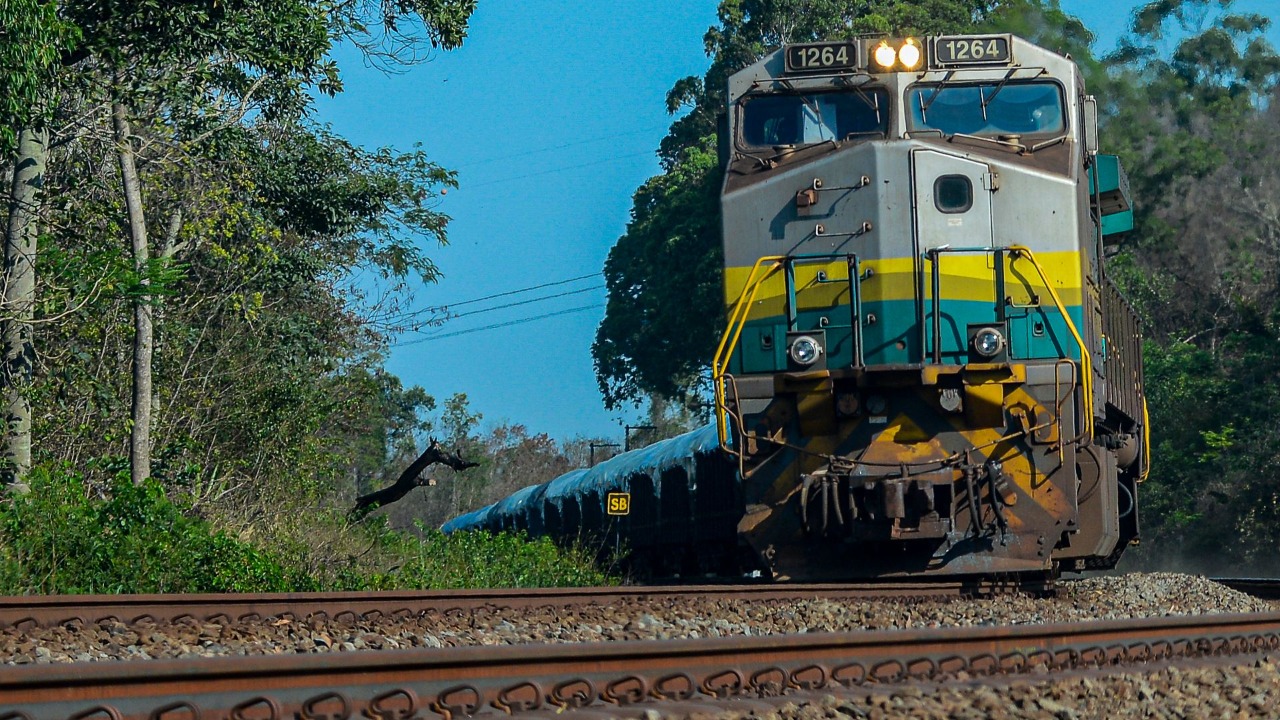

Due to issues involving environmental licensing, the investments estimated at R$36 billion in railroads in Mato Grosso are currently stalled due to legal issues. According to the Pró-Logística Movement, indigenous communities are part of the process due to their demands that have delayed the progress of railroad construction.
In recent days, the construction of the tracks for the Senador Vicente Vuolo Railway (Ferronorte) and Ferrogrão has faced new complications for the train to actually advance towards the north of Mato Grosso and Pará. For this, the study of the indigenous, quilombola, and riverside components is mandatory for licenses, such as environmental ones, to be granted for the execution of the works. In short, these licenses indicated the possible impacts that the indigenous communities may suffer from the construction of railroads.
Thus, Edeon Vaz Ferreira, director of the Pró-Logística Movement, pointed out the necessity to listen to the involved community. This is because Brazil was one of 27 countries to sign the ILO 169 agreement, an international treaty that requires listening to all communities involved in the environmental licensing process. According to the director, although it is a normal process, such requirements and judicial decisions may further delay the two projects seen as alternatives for freight transportation, especially for grains, along BR-163.
Licenses Suspended Until Consultation with Indigenous Communities
In early August, the Federal Court of Mato Grosso determined the suspension of the issuance of new licenses for the progress of the Ferronorte network expansion until the Bororo indigenous communities, belonging to the Tadarimana and Teresa Cristina indigenous lands, are consulted about the construction. The construction of the pathways between Rondonópolis and Lucas do Rio Verde is estimated at R$11 billion. The suspension was issued by Judge Pedro Maradei Neto, of the 1st Federal Civil and Criminal Court of Rondonópolis, in a lawsuit filed by the Federal Public Ministry (MPF) in early March of this year.
-
28-meter, 156-ton titans traveled 20,000 km from China to the port of Santa Catarina: Portonave received 7 fully electric megacranes, part of a R$ 210 million package, to double container handling.

-
They exchanged the idea of a large house for a 35 m² warehouse, spent US$ 12,000 on the structure, and created a tiny house in Colorado with space to live and work.

-
A newly opened terminal in the middle of the Amazon has begun transporting soy and corn through Amapá, eyeing the queue of ships that is congesting the ports in the South.

-
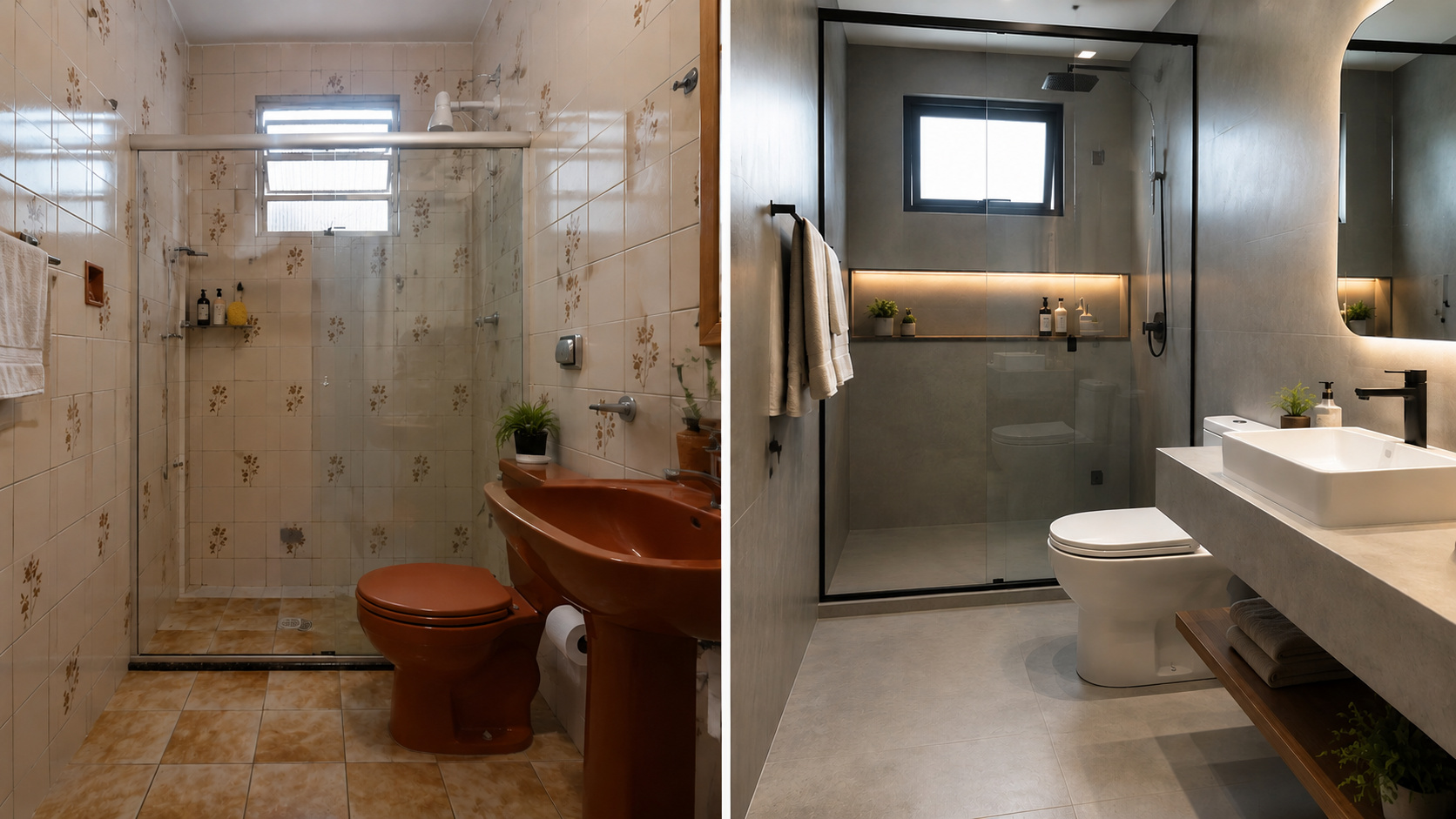
Goodbye to old tiles: renovation technique without construction transforms bathrooms in a few hours, eliminates debris, and reduces costs with coverings using special paints, high-resistance adhesives, and modern finishes that completely renew the space.


In this regard, the Secretary of State for the Environment of Mato Grosso (Sema-MT), the National Indian Foundation (Funai), and the company Rumo S.A. have a 90-day deadline to take necessary measures to promote a free, prior, and informed consultation with the indigenous communities. Also in August, the Federal Court accepted the requests from the Federal Public Ministry (MPF) so that those responsible for the proposed construction of the Ferrogrão railway, between Sinop (MT) and Itaituba (PA), could not consult indigenous peoples who do not follow the protocols established by the communities.
Learn More About Funai
The Funai, or National Indian Foundation, is Brazil’s official indigenous agency, tasked with protecting and promoting the rights of indigenous peoples. Today, Funai’s actions are guided by principles that ensure indigenous traditions, contributing to respect for diversity and consolidating the constitutional system that recognizes Brazil as diverse and multi-ethnic.
About the Pró-Logística Movement
The Pró-Logística Movement is composed of entities from the agricultural, commercial, industrial, and civil society sectors. Created in 2009, its mission is to articulate the implementation and maintenance of federal and state logistics infrastructure in Mato Grosso and the access to the ports in the region.