Portuguese
  Spanish


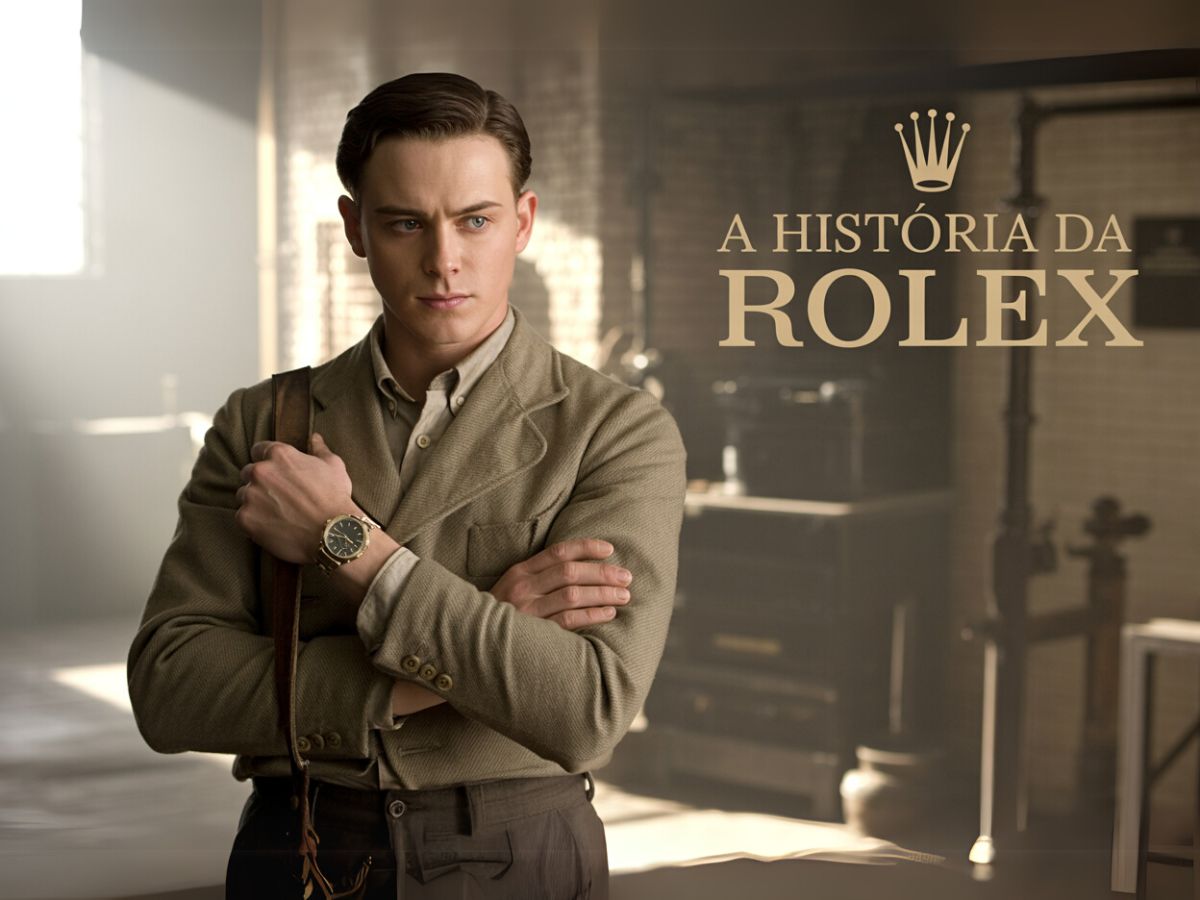


The Journey of Rolex Begins with Extreme Challenges and Transforms into an Example of Innovation, Excellence, and Leadership in the Luxury Sector
In a world where luxury and precision meet on the wrists of millionaires, athletes, and world leaders, few brands shine as brightly as Rolex. Valued today at around US$ 11 billion, the company is more than a watchmaker — it is a symbol of achievement, innovation, and absolute prestige. But behind the international fame of the brand lies the touching and inspiring story of Hans Wilsdorf, the orphaned German who defied fate to establish an empire.
Childhood Marked by Loss and Determination
Hans Wilsdorf was born on March 22, 1881, in Kulmbach, Germany. The son of a middle-class family that thrived in the iron goods trade, his childhood took a tragic turn when he lost both parents before turning 13. With the family business sold and no home, Hans ended up in an orphanage in Bavaria, where he faced discrimination, isolation, and sadness.
But instead of succumbing to pain, Wilsdorf channeled his suffering into dedication to his studies. He became fluent in French and English, developed mathematical skills, and soon discovered a fascination with watchmaking — a direct influence from a Swiss peer who spoke enthusiastically about the watchmaking tradition of his hometown.
-
How to Prevent Brown Recluse Spider Bites: Common Hiding Spots and Free Tips to Reduce Risks

-
Natto: The Unusual Japanese Superfood Gaining Popularity on Social Media and Driving Record Exports
-
Brazilian Mayor Goes Undercover as Homeless for 24 Hours to Assess Public Services

-
15-Year-Old Entrepreneur Malu Lira Publishes 20 Children’s Books on Financial Education, Earns $500,000, and Expands Her Project to the Amazon Rainforest




From Switzerland to the United Kingdom: The Beginning of a Legend
At 19, Hans left Germany for Geneva, where he began his career at a pearl exporting company. Shortly thereafter, he moved to La Chaux-de-Fonds, the heart of the Swiss watchmaking industry, to work at the renowned Kuno Corten, where he learned the secrets of watch manufacturing and precision.
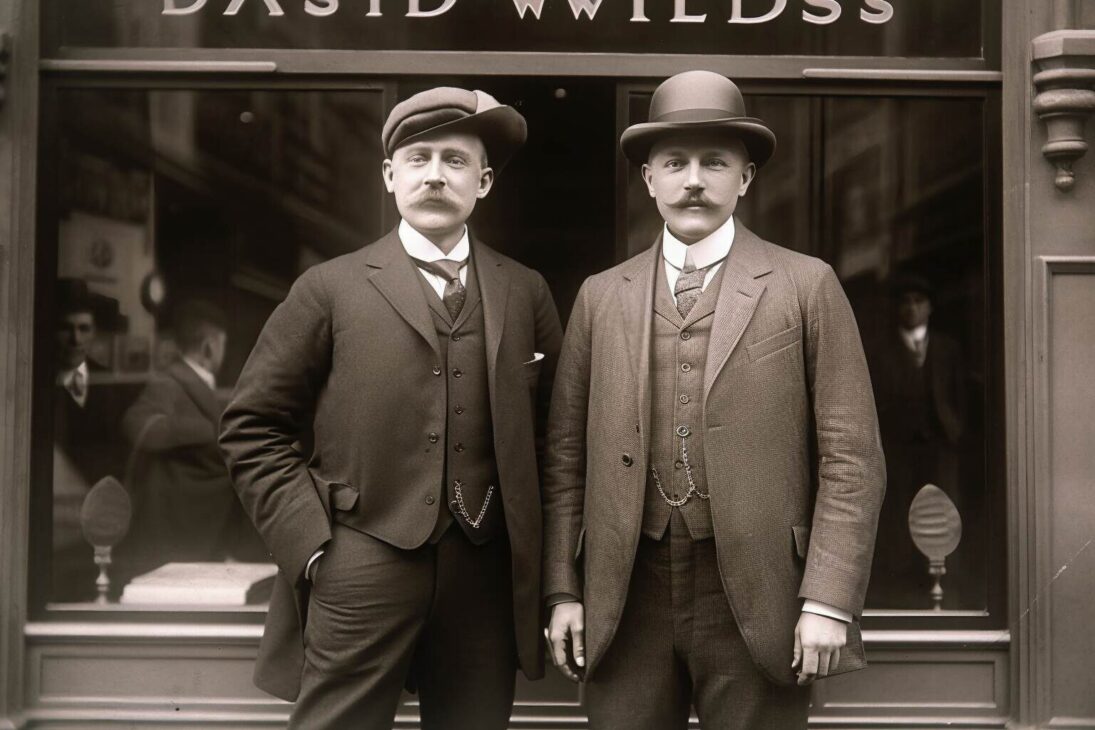
The experience he gained led Wilsdorf to London in 1903, where he excelled in a watchmaking firm and nurtured the dream of founding his own brand. In 1905, with the financial support of his brother-in-law Alfred Davis, Wilsdorf & Davis Ltd. was born, which would later become Rolex.
Rolex: The Revolution on the Wrist
Hans Wilsdorf firmly believed that the wristwatch had a promising future, even when the industry still viewed it as something fragile and feminine. He wanted to create a watch that combined elegance, functionality, and precision. In 1908, he registered the name Rolex — short, catchy, and easy to pronounce in any language.
The definitive turning point came with World War I, when soldiers began to prefer the practical wristwatches from Rolex over pocket models. The company grew rapidly, innovating with increasingly precise and durable watches.
In 1914, Rolex received the Class A Precision Certificate from the Kew Observatory in London — an unprecedented achievement for wristwatches.
Waterproof Innovation
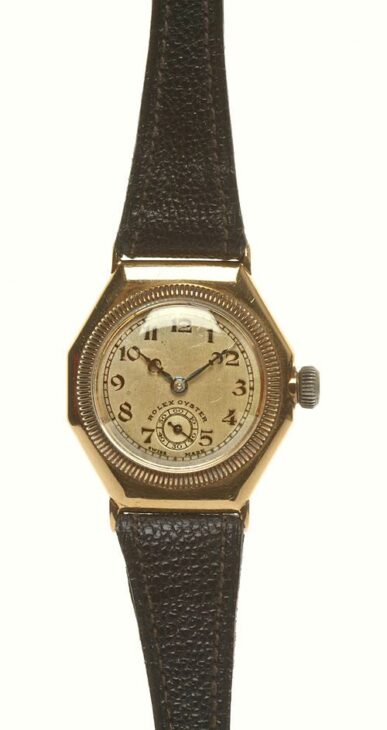
In 1926, Wilsdorf launched the revolutionary Rolex Oyster, the first truly waterproof wristwatch. To promote it, he took a bold marketing move: he had swimmer Mercedes Gleitze swim across the English Channel with an Oyster hanging around her neck. The watch withstood the icy waters and emerged unscathed — an achievement widely reported in British newspapers.
Growth, Tragedies, and an Eternal Legacy
Even in the face of World War II and the loss of his wife Florence in 1944, Hans did not abandon his mission. He founded the Hans Wilsdorf Foundation, donating 100% of Rolex’s shares to the institution, ensuring that the company would never be sold or go public. The foundation still controls Rolex today — a unique structure in the business world.
In the following decades, the brand launched iconic models such as the Datejust (1945), Day-Date (1956), and the legendary Submariner (1953), which became a symbol among divers and adventurers.
A Brand That Transcends Time
Hans Wilsdorf passed away in 1960, but his legacy lives on intensely. Rolex, which began as the bold dream of a determined orphan, has transformed into a global institution, synonymous with luxury, precision, and innovation. Its watches not only tell time — they tell stories of overcoming, achievement, and excellence.