






 Portuguese
  Spanish


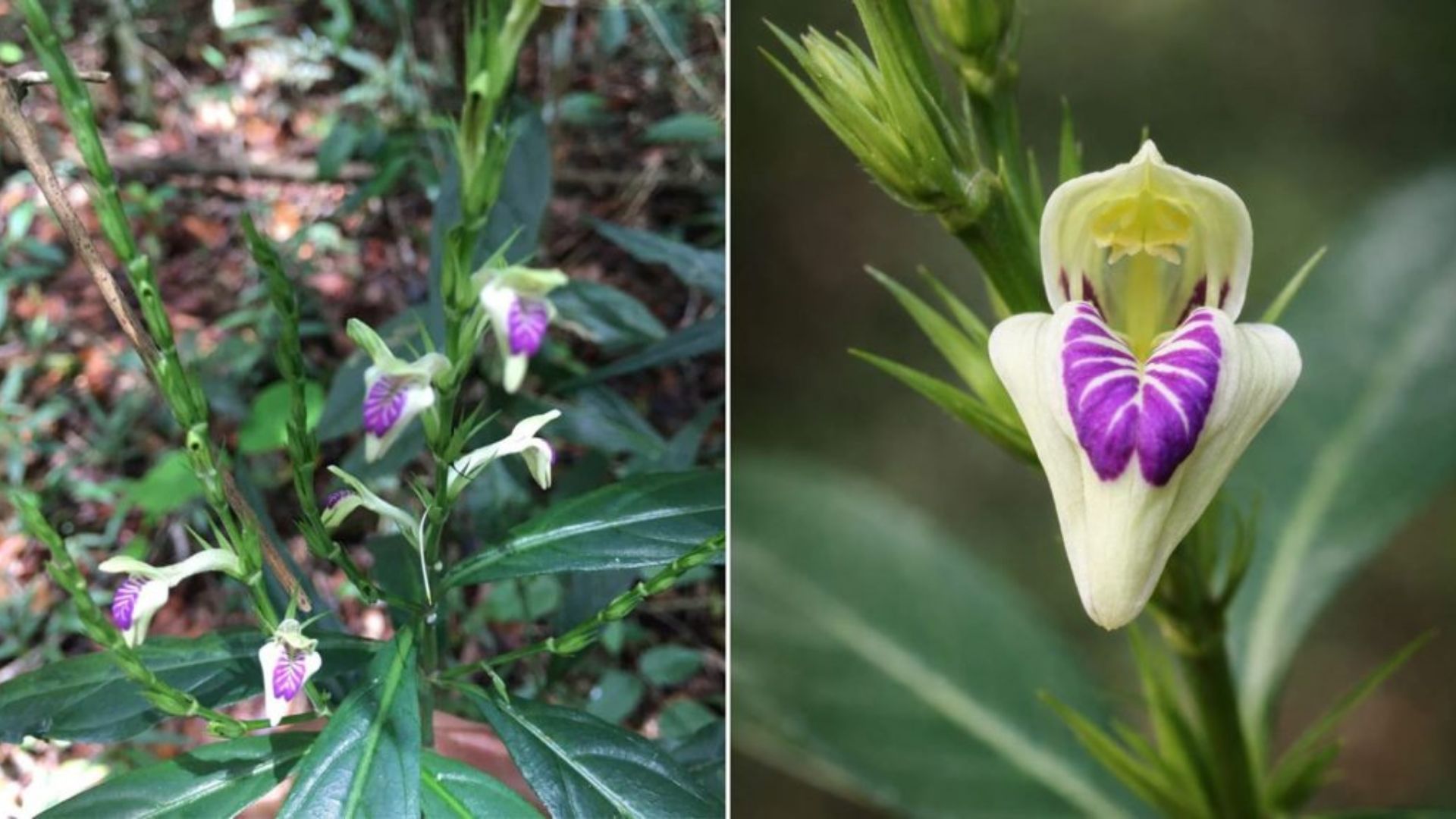


Rediscovery of a rare species in the Atlantic Forest reinforces the importance of protected areas and reveals gaps in scientific knowledge about Brazilian flora in hard-to-access regions.
After more than a century without known records in the state of Rio de Janeiro, the species Justicia dasyclados, from the Acanthaceae family, has been found again in the State Biological Reserve of Araras, in Petrópolis, in the Serrana Region.
The record was made in February 2026 during the monitoring of a trail in a dense forest area, above 1,200 meters in altitude, and places the conservation unit at the center of research on the flora of the Atlantic Forest.
The location of the plant was carried out by the park ranger of the State Institute of the Environment, Inea, and a researcher affiliated with the Federal University of Rio de Janeiro, Vanessa Cabral.
-
Brazil’s Paraíba State Builds Senior-Friendly Community with 40 Accessible Homes, Health Center, and Gardens, Replicates Model in 5 Cities, Earns National Merit Award in 2015

-
Brazilian Government Launches New ID System Using Tax Number as Unique Identifier, Reaching 870,000 People with 7,000 Free Issuance Slots Available

-
Giant Stone Spheres on New Zealand Beach Reveal Crystal Interiors Formed Over 4 Million Years
-
10 Lesser-Known Countries with Surprising Attractions That Even Seasoned Travelers Find Intriguing


According to the report released after the confirmation of the find, the rediscovery occurred in a preserved area of the reserve, reinforcing the role of field monitoring in advancing scientific knowledge about rare species of Brazilian vegetation.
During the expedition, researchers collected three individuals of the species, which were sent to the Botanical Garden Research Institute of Rio de Janeiro.
The identification was confirmed by researcher Marcus Nadruz, in collaboration with Acanthaceae specialist Denise Braz, PhD from the Federal Rural University of Rio de Janeiro.
According to those involved, the last known record and identification of this plant in the Fluminense territory occurred about a hundred years earlier.

Rediscovery expands the map of flora in the state
The occurrence is treated as the second known record of the species in Rio de Janeiro, which broadens the understanding of the distribution of Justicia dasyclados in the country.
The species is endemic to Brazil and appears in botanical databases associated with records in other states in the Southeast, while the Fluminense presence was not yet listed in the Flora and Funga of Brazil database when the discovery was announced.
This discrepancy helps to highlight the scientific relevance of the rediscovery in Araras.
The return of the species to scientific news does not stem from a recent known expansion of the plant, but from a new field record after a long interval without documented observations in the state.
In hard-to-access Atlantic Forest areas, gaps of this type are not uncommon, especially in mountainous regions with rugged terrain and high biological diversity, where the presence of very small populations can hinder location even in successive surveys.
Vanessa Cabral stated that the rediscovery highlights the relevance of protected areas for the production of scientific knowledge.
In a statement released after the confirmation of the species, she emphasized that the discovery also demonstrates the strategic role of conservation units in expanding knowledge about the biodiversity of the Atlantic Forest, one of the most threatened and studied biomes in the country.
Protected area helps explain the find
The Araras State Biological Reserve was created in 1977 and encompasses areas of Petrópolis and Miguel Pereira.
Official data from the government of Rio indicate that the unit has 3,862 hectares of Atlantic Forest, with protection for springs, watercourses, stretches of ombrophilous forest, and high-altitude environments.
As it is a biological reserve, visitation is restricted, with access primarily aimed at authorized scientific research and educational activities.

This more restrictive profile helps preserve important ecological conditions for rare or little-known species.
In units with this level of protection, continuous work on surveillance, inventory, and trail monitoring often produces records that do not appear in areas more pressured by human occupation.
In the case of Araras, the mountainous environment and dense vegetation create a mosaic favorable to the maintenance of species with limited occurrence and difficult detection.
The director of Biodiversity, Ecosystems, and Protected Areas of Inea, Cleber Ferreira, stated that discoveries of this type help advance knowledge about the ecosystems of Rio de Janeiro and reinforce the need to strengthen public policies aimed at the conservation of the Atlantic Forest.
The assessment follows the line that scientific records not only expand the inventory of biodiversity but also serve as a basis for environmental planning, management of protected areas, and definition of conservation priorities.
In the same direction, the reserve manager, Thallita Muralha, emphasized that the unit plays an essential role in the protection of rare species and the maintenance of ecosystems within the biome.
According to her, the ongoing monitoring and research conducted in the area have allowed for discoveries that expand knowledge about Brazilian biodiversity and highlight the importance of maintaining technical teams working within conservation units.
The rediscovery of Justicia dasyclados also draws attention as it occurs at a time when public biodiversity databases continue to be updated with new field records and reviews of botanical collections.
In such situations, confirmation by specialists and the deposit of the material in a scientific institution are decisive steps to consolidate the occurrence of a species in a specific territory, especially when it comes to a rare taxon with a sparse collection history.
In addition to its scientific value, the case illustrates how the production of knowledge depends on the collaboration between conservation agents and research centers.
The park ranger responsible for the location was affiliated with a university, the material was sent to the Botanical Garden of Rio de Janeiro, and the validation involved specialized collaboration.
This flow between fieldwork, collections, and taxonomic analysis is what allows an isolated observation to be transformed into reliable information for science and environmental management.
Although the discovery has been announced as a reunion after about a hundred years, the accessible public data does not support classifying the species as officially extinct.
What has been confirmed is the prolonged absence of known records in the state and the subsequent rediscovery in a protected area of the Fluminense mountains.
Still, the finding carries significant weight as it reveals that well-preserved fragments of the Atlantic Forest continue to harbor rare and poorly documented species, some of which were off the radar of public databases until new surveys were conducted.


