






 Portuguese
  Spanish


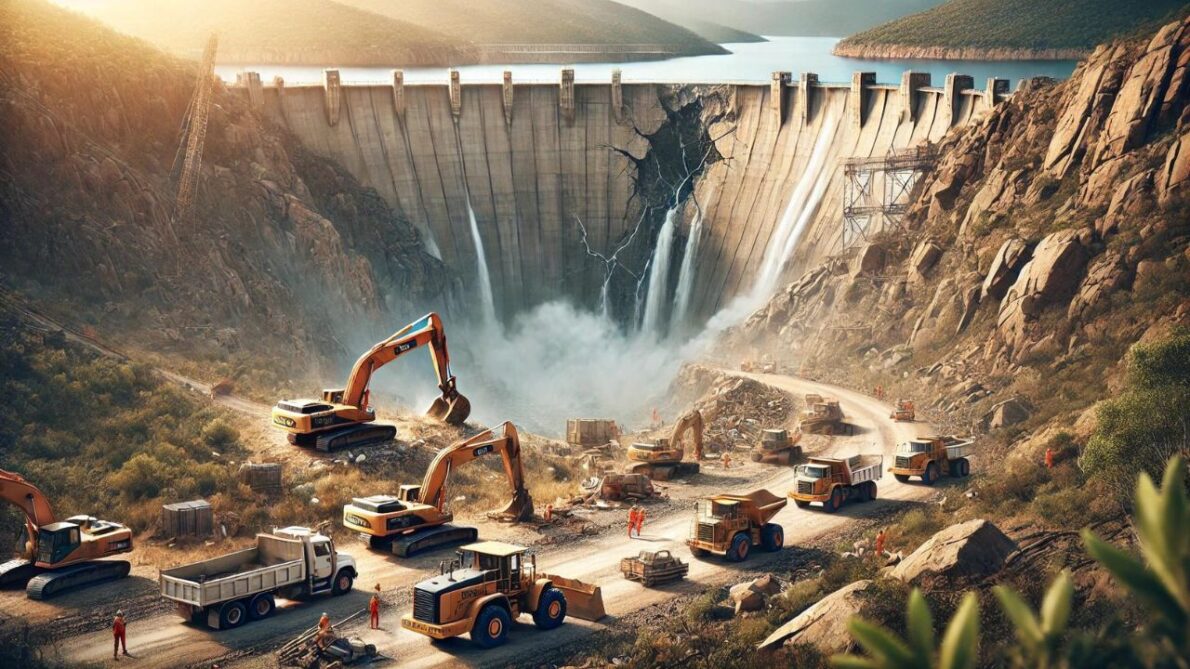

The Construction And Repair Of A Failed Dam In Australia Is The Hot Topic Of The Moment. The Paradise Dam, Located On The Burnett River, Promised To Be The Water Salvation And An Economic Engine For One Of The Most Important Agricultural Regions In Australia.
However, since its inauguration in 2005, the dam has faced a series of technical problems and environmental challenges that culminated in a drastic decision: a complete rebuild.
The original construction of the Paradise Dam aimed to provide water for irrigation, urban, and industrial supply. However, devastating floods in 2010, 2011, and 2013 significantly damaged its structure. Now, the Australian government embarks on one of the most complex engineering projects in the world, allocating US$ 1.2 billion to ensure that the dam can withstand future climatic adversities and continue to play its crucial role in regional development.
The Innovative Project
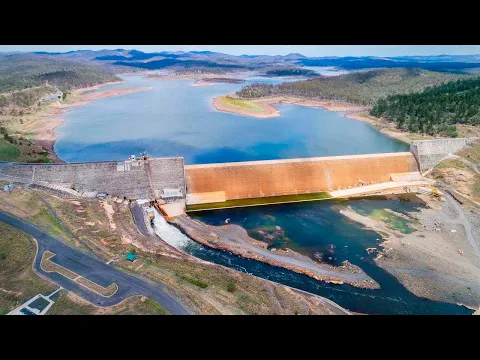

The construction of the new Paradise Dam is not just a correction of past failures, but a promise of a safer and more efficient future. The project involves creating an additional wall, located immediately downstream of the existing structure, increasing the dam’s capacity to 300 gigaliters. This will not only correct the previous damages but also strengthen the dam’s resilience against extreme climatic events.
-
Up to 60 concrete mixer trucks pour 380 m³ of concrete onto the “big slab” of Niemeyer’s first work in Amazonas, in a decisive stage of the construction of the monumental oca that will mark the Parque Encontro das Águas in Manaus.

-
Alert in Santa Catarina: the Anita Garibaldi Bridge on BR-101 is completely closed in both directions due to “structural risk,” and drivers are diverted to a 20 km/h detour that promises kilometer-long queues until July 20.

-
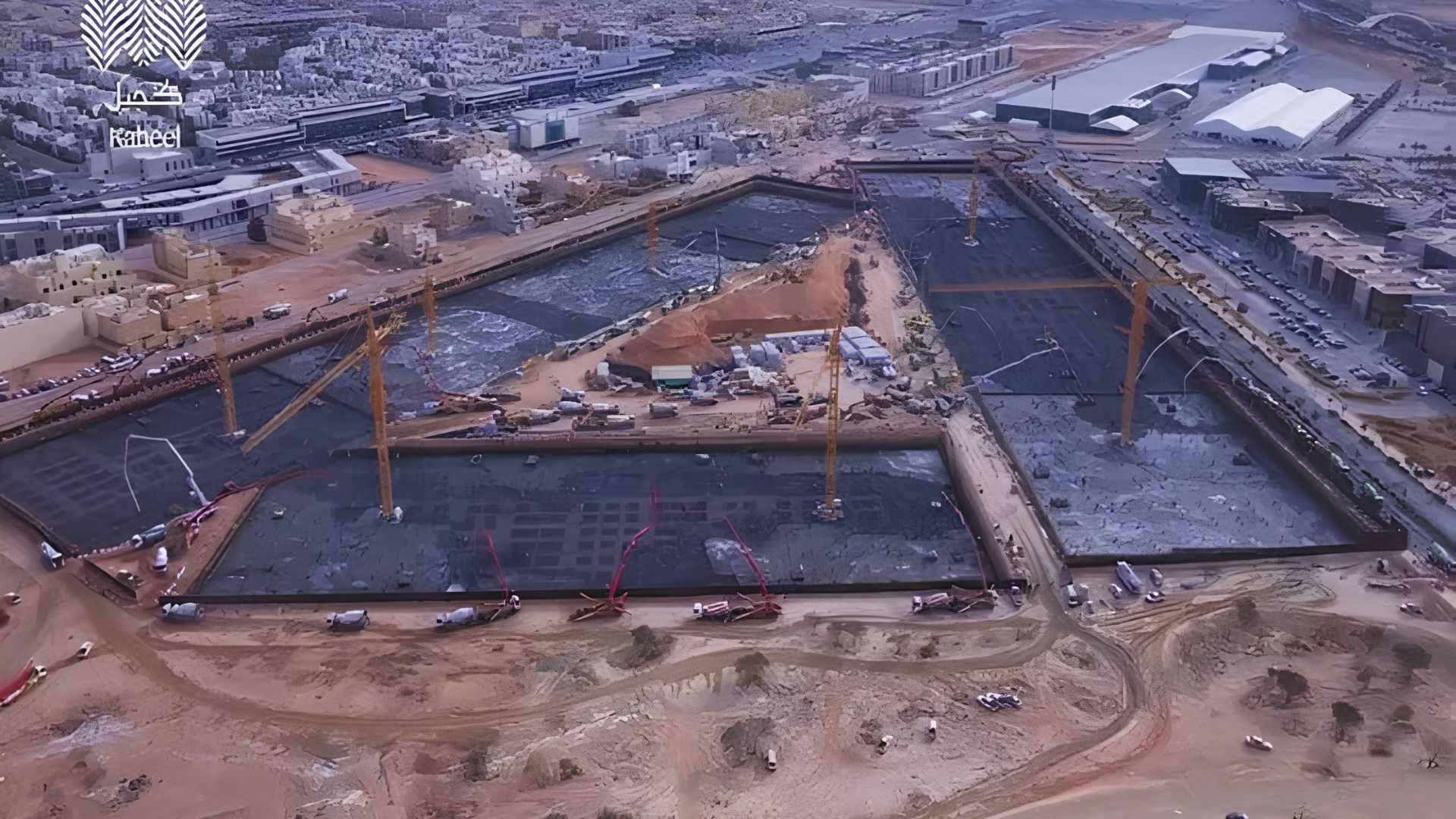
More than 6,000 trucks poured nearly 70,000 cubic meters of concrete without interruption for 72 hours to create the largest continuous concrete pour in history and erect a megaproject in Saudi Arabia.
-
28-meter, 156-ton titans traveled 20,000 km from China to the port of Santa Catarina: Portonave received 7 fully electric megacranes, part of a R$ 210 million package, to double container handling.



From the beginning, the construction of the Paradise Dam has been shrouded in controversies. The decision to build it was made just before a state election in 1998, and the project was approved in 2002, despite concerns over forced expropriations and environmental impacts. After its completion in 2005, the dam proved to be fragile, suffering significant damage during the floods of 2011 and 2013. In 2019, investigations revealed that the material used in its construction was inadequate, leading to a drastic reduction in the dam’s height in 2020.
The Path To The New Construction
With the dam operating at only 42% of its capacity, the water crisis has severely affected local farmers. The pressure from the community led the Australian government and the Queensland government to commit, in 2021, to the dam’s repair. However, a 2023 report indicated that the dam was beyond repair, giving rise to the ambitious complete rebuild project.
The construction of the new Paradise Dam began in February 2024, with preparatory work starting in 2023. The project includes upgrading the supporting infrastructure and implementing cutting-edge engineering techniques. The use of high-performance concrete promises greater durability and strength, with a new wall measuring 37.1 meters high and 600 meters long.
Economic And Social Impacts
The construction of the new dam not only revitalizes the local economy but also ensures water security for vital crops such as sugarcane and citrus. The creation of 250 direct jobs during the construction phase brings new opportunities to the local community, while innovations in the project promise better flood management and preservation of biodiversity.
The construction of the new Paradise Dam transcends mere restoration of hydraulic infrastructure. It represents a milestone in resilience and environmental innovation, addressing security issues and reinforcing the commitment to sustainability. Looking ahead, the dam serves as a model for sustainable construction practices and water resource management, setting a valuable precedent for future global hydraulic projects.
The construction and repair of a failed dam in Australia is a testament to what can be achieved with modern technology and civil engineering. The Paradise Dam, once a failed promise, now transforms into a symbol of resilience and innovation, ensuring a safer and more sustainable future for the region.





Quero muito ir trabalhar na Áustria