






 Portuguese
  Spanish


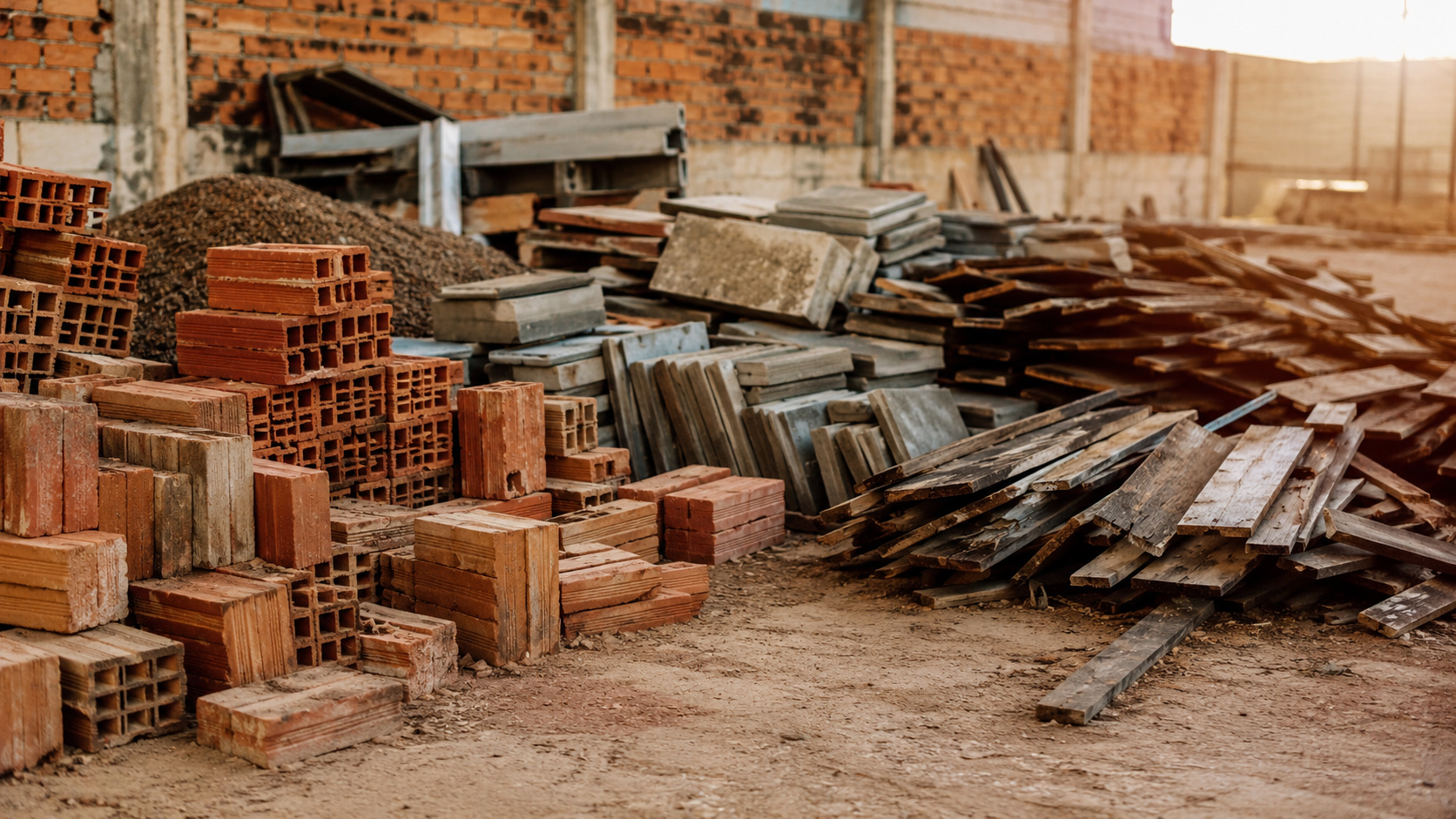

Project REUSE organizes donations, reuses construction materials, and creates a new social and environmental route for renovation, surplus, and demolition waste
A proposal with social and environmental impact recently advanced in the City Council of Pouso Alegre, attracting local attention. The program “REUSE: Conscious Deconstruction and Efficient Donation” was approved in a second vote at the regular session on Tuesday, May 12, and now goes to the Executive Branch for sanction. The measure is provided for in Bill No. 8,273/2026, authored by Councilman Dionísio, and seeks to organize the collection, sorting, reuse, and donation of construction materials. The central objective is to allocate leftovers, renovations, and demolitions to families in vulnerable situations.
Approved project creates new destination for construction materials
The initiative establishes a structure to reuse civil construction materials that can still be used. According to the City Council of Pouso Alegre, the items may come from construction leftovers, renovations, or demolitions. The priority allocation will be aimed at families in vulnerable situations, reinforcing the social nature of the proposal. The measure also encourages the circular economy and seeks to reduce construction waste.
Technical evaluation ensures more safety in reuse
Donated materials will undergo technical evaluation before any reuse. This step was planned to ensure safe conditions for use and to avoid passing on unsuitable items. When reuse is not possible, materials may be sent for recycling. In this way, the project creates an organized alternative to deal with construction waste without losing focus on safety.
-
Couple Transforms Suffolk’s Last 1891 Windmill into Luxurious Four-Story Home with Zinc Observation Room in England

-
Father and Son Build 97 cm Thick Circular Stone House in Brazil, Inspired by Scottish Architecture, Creating a New Agrotourism Hub
-
Sweden Removes 200-Ton Concrete Gallery to Restore Pjältån River’s Natural Flow in Europe’s Largest Aquatic Restoration Project

-
Key Infrastructure Projects for Brazil’s Next President: Expanding Railways to Cut Transport Costs, Reduce Truck Traffic, Create Jobs, and Boost Industries Nationwide


Voluntary donations expand society’s participation
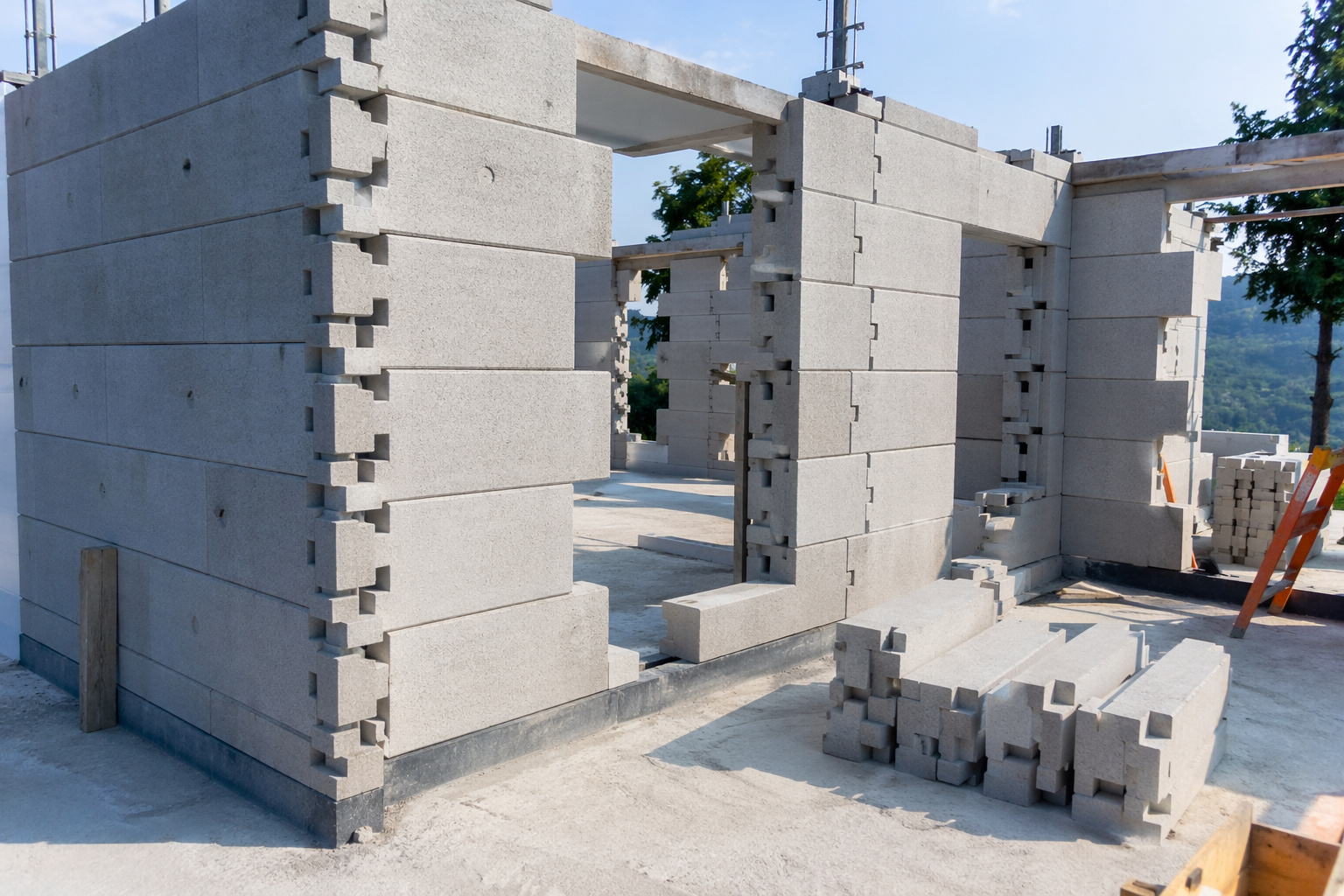
The program also provides for the participation of individuals, companies, and institutions. Contributions can occur through voluntary donations and partnerships with the public sector. This openness expands the initiative’s reach and allows different sectors to collaborate with the efficient allocation of materials. The model approved by the Council seeks to bring sustainability, solidarity, and responsible resource use closer together.
Reuse unites circular economy and housing support
The proposal reinforces the idea that discarded materials in construction can gain a new social function. With approval in the second round, the project now represents an alternative to reduce waste and support vulnerable families. However, the matter still depends on the Executive Branch’s sanction to advance.
Do you think construction material reuse programs could become a more common solution in other Brazilian cities?


