






 Portuguese
  Spanish


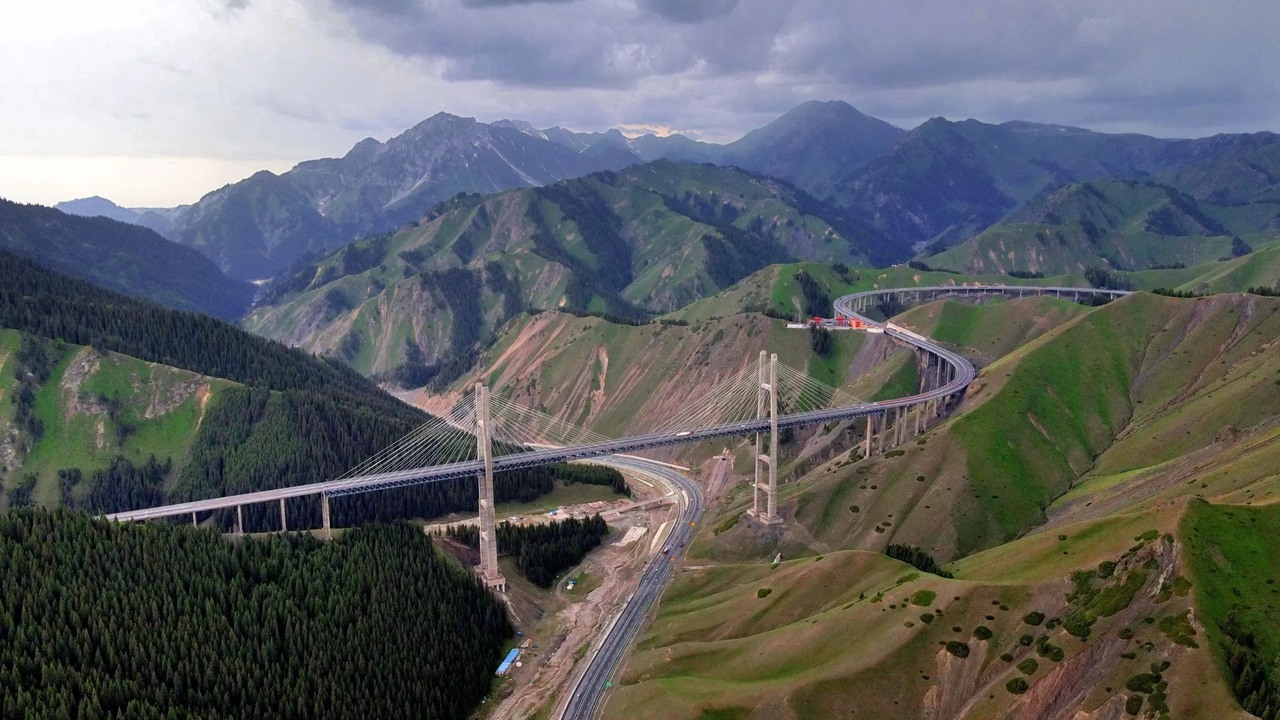


A strategic bridge expected to be completed by 2026 promises to open an exit door for Brazil through the Pacific Ocean, shortening the path of our production to Asia and reducing dependency on Atlantic routes.
Brazil is a giant that has always looked to the Atlantic. All our production, from soybeans to minerals, usually exits through ports facing Europe and the United States. But there is an old dream of opening a second door, facing the other side of the continent, towards the Pacific and from there to Asia. An important piece of this dream is expected to come to fruition by 2026.
This is a strategic bridge, part of the so-called bioceanic route, which connects Brazil to the Pacific by land, crossing neighboring countries. With an investment of about one billion reais, the project is expected to shorten the path of Brazilian production to the ports of the other ocean. It is less of just any bridge and more of a continental shortcut that can change the country’s logistics.
Why look to the Pacific
The logic behind this project is purely geographical and economic. Today, a large part of Brazil’s production going to Asia needs to cross the entire Atlantic, circumvent continents, and spend a lot of time at sea. Opening a route through the Pacific drastically shortens this journey, as Asia is on the other side of this ocean. Fewer days of navigation mean lower costs and more competitive products.
-
Brazilian Fishing Couple Spends 4 Years Building Solar-Powered Floating Home on the Paraguay River, Now a Navy-Approved Vessel with Leisure Area and Tour Demand

-
While the World Opens New Airports and High-Speed Trains, Brazil Rushes to Complete Projects Stalled for 40 Years
-
Brazil Invests in Massive Waterway to Transport Soybeans by Barge, Reducing Costly Truck Reliance
-
Bridge Rebuilt in Just One Year Reconnects Two Brazilian States


I confess that I find it fascinating to think of Brazil gaining a backdoor to the world’s largest market. China and other Asian giants are huge buyers of our soybeans, meat, and minerals, and reaching them faster changes the game. An efficient bioceanic route can make Brazilian products cheaper at the destination and open opportunities that today are hindered by distance.

A bridge that serves as a corridor
What makes this bridge so important is not its size, but its position. It is a link in a larger chain, a corridor that crosses the South American continent connecting the two oceans. Without this piece, the entire path is interrupted. With it, the route is completed, and cargo can flow from one side of South America to the other by land, without relying solely on the sea.
That is why a project of just over one billion reais gains such strategic weight. It unlocks an entire corridor, connecting Brazil’s producing interior to the Pacific ports. Each completed link of this path brings the country closer to a logistical dream that has been discussed for decades and is finally starting to turn into concrete and asphalt.
This type of corridor tends to transform entire regions it passes through. Small towns along the way gain movement, fuel stations, warehouses, workshops, and jobs that did not exist before. A route that connects oceans is not just for a soybean truck to pass straight through; it ends up irrigating the local economy of everything it touches, from the interior of Brazil to the Andean villages on the other side. That is why governments see such projects as much more than roads and bridges: they are arteries of development that can reorganize the economic map of an entire region for generations, leaving marks that last long beyond the inauguration.

The challenges of crossing a continent
Opening a land route from Brazil to the Pacific is no simple task. The path crosses borders, regions with difficult terrain, and even the Andes Mountains, requiring roads, bridges, and tunnels in challenging terrains. Each involved country needs to do its part, and the project depends as much on engineering as on political agreements between neighboring nations, which are not always easy to align.
Precisely because of this, seeing a key piece like this bridge close to completion has great symbolic value. It shows that such an ambitious project, crossing an entire continent, can indeed come to fruition when there is will and investment. For Brazil, it is proof that the long-dreamed integration with the other side of South America is closer than ever.
It is worth remembering that the idea of a bioceanic route is not new, which makes the current progress even more symbolic. For decades, South American leaders talked about uniting the Atlantic and the Pacific by land, but plans were hindered by costs, borders, and lack of coordination among countries. Seeing concrete sections finally coming off the drawing board shows that something has changed, that integration has ceased to be just diplomatic meeting rhetoric to become a real project. Each completed bridge and kilometer of road transforms an old continental dream into a real path where, soon, trucks, cargo, and opportunities will circulate.
Brazil eyeing both oceans
I imagine the day when a truck loaded with soybeans from the Brazilian interior will be able to travel by land to a port on the Pacific, embark, and reach Asia in much less time than it takes today. It is a silent change, but one that reorganizes the country’s economic map and opens a new window to the largest market on the planet.
The bridge expected to be completed in 2026 is a concrete step in this direction. It represents a Brazil that stops looking only at the Atlantic and starts aiming at both oceans, expanding its routes and opportunities. When the bioceanic corridor is finally complete, the country will have gained not just a bridge, but a new exit to the world.
Do you think opening a route through the Pacific can permanently transform Brazil’s trade with Asia?


