






 Portuguese
  Spanish


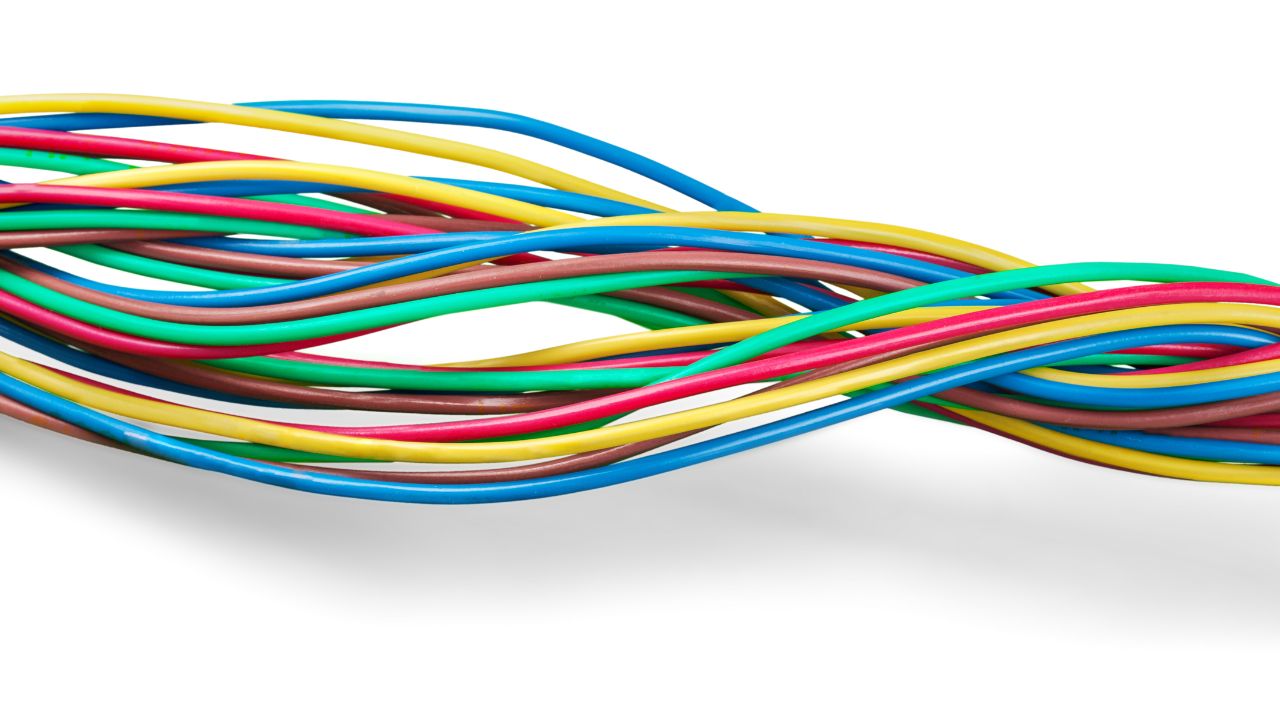


Know The Color Of Electric Wires According To NBR 5410 And Learn To Identify Neutral, Phase, And Protection Conductors To Ensure Safety And Correct Maintenance.
Knowing the color of electric wires is essential to ensure safety in any installation, whether residential, commercial, or industrial. The NBR 5410 standard defines which colors must be used to identify neutral, phase, and protection conductors, preventing connection errors, short circuits, and accidents.
Following these rules facilitates maintenance and increases the reliability of the electrical system.
The standardization of colors helps electricians quickly identify each wire, making repairs and installations safer and more efficient.
-
A 3-year-old deaf student received the first white belt in Jiu-Jitsu and understood the achievement because the teacher learned Libras to communicate with him, in a video that surpassed 7 million views and moved social media by showing inclusion happening on the mat.

-
Miguel Krigsner opened a small compounding pharmacy in Curitiba in 1977, turned Brazilian fragrances into a national success, and created O Boticário, now one of the largest beauty networks in the world.

-
Meet the charming parrot grandpa, who became known for hugging free birds and revealed how he gained their trust over the years.
-
After 18 years of development, Bridgestone launches the AirFree airless tire, which requires no inflation and is puncture-proof, into daily service in Japan, starting with autonomous vehicles up to 20 km/h, used for transporting elderly people.





In addition, the correct use of colors conveys professionalism to clients and contributes to ensuring that installations comply with Brazilian standards.
Color Of Electric Wires
NBR 5410
The NBR 5410 is the main standard that regulates low voltage electrical installations in Brazil.
It defines which colors must be used for each type of conductor and guides how to identify wires when the original coloring is not available.
For this, the use of tags or insulating tapes is allowed, ensuring that each conductor is easily recognizable.
Correctly following the color standard helps reduce the risk of electrical accidents and facilitates maintenance of installations.
Therefore, it is essential for electricians and industry professionals to be familiar with the rules and apply them in all projects.
Protection Conductor (PE)
The protection conductor, responsible for electrical safety, must be colored green or green-yellow.
The standard specifies:
“Any isolated conductor, unipolar cable, or strand of a multipolar cable used as a protection conductor (PE)… must be colored green-yellow or green…”
(NBR 5410:2004, item 6.1.5.3.2)
The use of these colors ensures that the protection wire is easily recognizable, preventing the risk of electric shock.
Earth Protection Conductor (PEN)
The PEN conductor, which serves the function of neutral and grounding, must be identified with light blue and green-yellow tags.
The standard details:
“Any isolated conductor, unipolar cable, or strand of a multipolar cable used as a PEN conductor must be identified… with the light blue color, with green-yellow tags…”
(NBR 5410:2004, item 6.1.5.3.3)
This dual identification facilitates recognition at visible points in the installation.
Phase Conductor
The phase conductor can be any color, except light blue, green, or green-yellow, to avoid confusion with neutral or protection conductors.
Colors such as red, black, or brown are frequently used, complying with the standard and ensuring safety.
“For the phase conductor, any colors may be used as long as they do not use the colors established in the previous items…”
(NBR 5410:2004, item 6.1.5.3.4)
Neutral Conductor
The neutral conductor must be identified by the color light blue, whether in the cable or on the tags. According to the standard:
“Any isolated conductor, unipolar cable, or strand of a multipolar cable used as a neutral conductor, in case of identification by color, must use the light blue color…”
(NBR 5410:2004, item 6.1.5.3.1)
This identification prevents confusion with other conductors and is especially important in complex circuits.
Importance Of Following The Color Standard Of NBR 5410
Following the standard of color of electric wires ensures:
- Greater safety for those who install or perform maintenance;
- Ease of identification of conductors;
- Reduction of risks of electrical accidents;
- Professionalism and compliance with technical standards.
Even when wires do not come colored, the use of tags or insulating tapes is sufficient to maintain correct identification.
This care prevents future problems and facilitates any repairs or extensions of the installation.


AS normas foram feitas para serem respeitadas. Trazem seguran ça, conhecimento, desenvoltura, qualidade, eficiências e apresentação no trabalho. Eu já fazer jamper numa elétrica de um container, energizando o fio terra. O qual por sorte ou azar matou um cão. Poderia ter matado um trabalhador.