Portuguese
  Spanish


Meet Save Me, the artisanal eyewear brand by the couple Vitor Frutuoso and Stephanie Oliveira that is revolutionizing sustainable fashion in São Paulo.
Combining expertise in optics, design, and visagism, the couple Vitor Frutuoso and Stephanie Oliveira founded Save Me in São Paulo, an artisanal eyewear brand that converts acetate scraps into personalized accessories of high durability.
The project, which was born after years of research and testing, gained scale in 2026 after the entrepreneurs secured a R$ 45,000 investment in an acceleration program. By offering handmade and custom-made pieces, the duo proposes a conscious consumption alternative that values the client’s identity instead of following the mass production model.
The beginning of the couple’s eyewear brand journey
The construction of the brand was not an immediate process; it required years of studies, material testing, and validation of the business model. The big push for Save Me to take off happened after the couple’s participation in an acceleration program.
-
At 17 years old, he received an order for 2,000 Easter eggs without having a factory, worked up to 18 hours a day to deliver everything, turned artisanal chocolate into a national empire, and today Cacau Show has more than 4,000 stores in Brazil.

-
The illiterate peasant who “predicted” the pandemic, television, and the two world wars in the 19th century: the prophecies of Mitar Tarabich haunt the internet with a final warning about a Third War that would make the whole world sleep.

-
It all started with a PET bottle: the incredible story of the Brazilian invention that gave rise to Litro de Luz and brought sustainable lighting to communities in Brazil and around the world.
-
Teased at school for his long hair, the 5-year-old “Mini Haaland” from Camboriú went viral on the internet and received a message from Erling Haaland himself that silenced everyone: “don’t listen to what everyone says.”



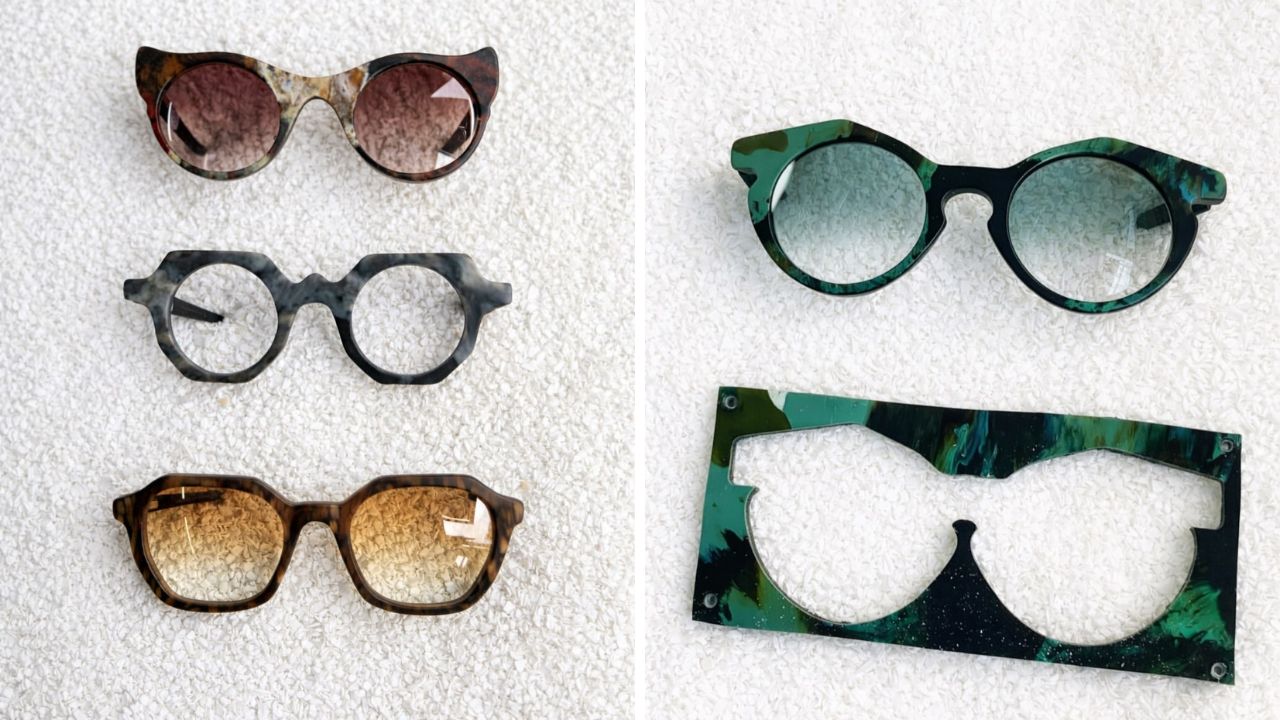
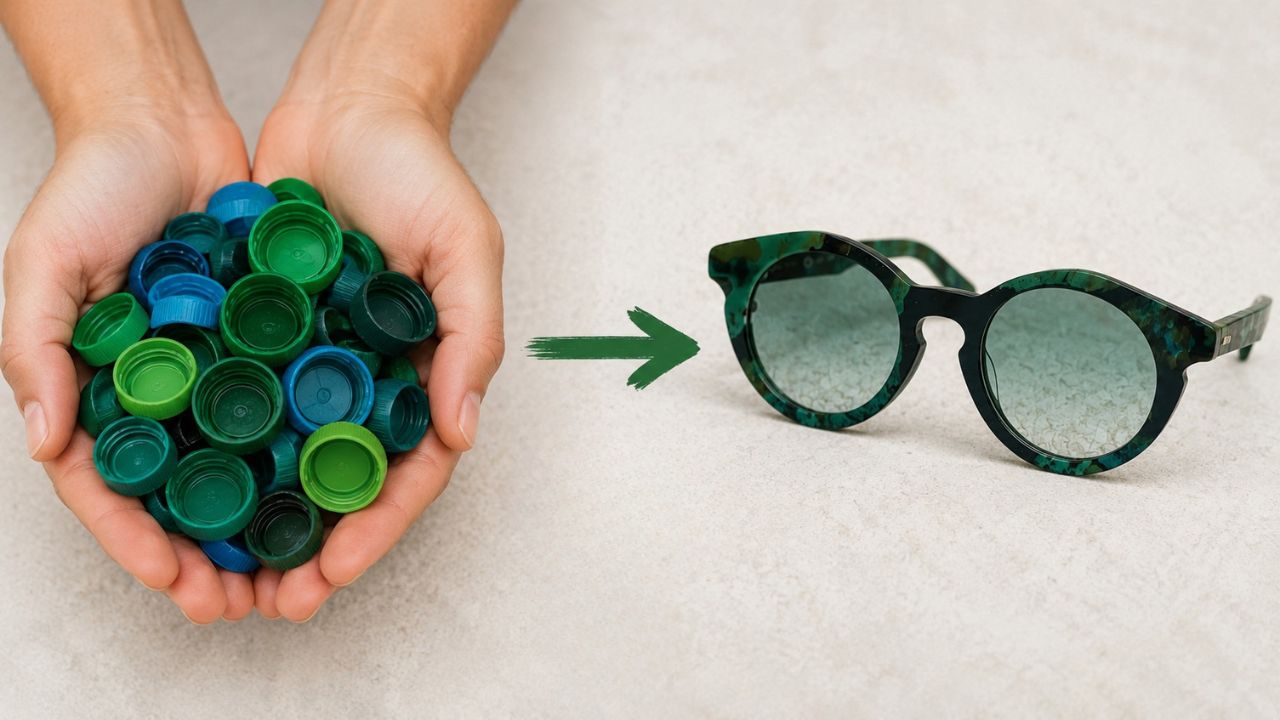
At this stage, the duo secured a financial investment of R$ 45,000, which served as the seed capital necessary to enable the production structure and the official launch of the eyewear in São Paulo. The brand’s differential lies in the strategic use of acetate, a material derived from vegetable oils and cotton fibers that stands out for its durability and recyclability.
While most optical industries discard cutting scraps as waste, the couple adopted an internal logistics system to recover these scraps.
- The excess raw material is reprocessed to create new frames.
- This practice significantly reduces the waste of natural resources in manufacturing.
Stephanie Oliveira defines the strategic gain of this process: “The industry loses a pair of glasses doing this, we gain because what is left we recycle again”.
Customization: The strong point of the entrepreneurial couple
Save Me moves away from the mass consumption model, focusing on an audience that values exclusivity and personal expression. Customer Antonia Mendes reinforces this appeal by sharing her experience with the brand’s products:
“It’s cool because it steps out of the traditional circuit of big brands. It’s an accessory that brings personality out.” Each piece produced by the couple draws aesthetic inspiration from the city of São Paulo, resulting in glasses that are entirely handmade.
Additionally, the customer service is highly specialized, offering consultations where the frame design is tailored to respect the facial anatomy of each buyer.
Sales channels and the brand’s philosophy
To maintain closeness with their customers and ensure quality service, the couple chose not to rely solely on traditional retail.
The distribution of the glasses occurs through a combination of fronts:
- Constant presence at fashion fairs and design events.
- Structured service via online channels.
- Technical consultancy sessions focused on visagism and style.
The brand maintains its relevance in the market by not succumbing to the volatility of fleeting trends.
Vitor Frutuoso argues that the ultimate goal of Save Me is to promote freedom of expression and the appreciation of each person’s individual style. As the partner states: “Fashion passes, style remains”.
Thus, the couple continues to establish their business as a reference in São Paulo, proving that it is possible to combine original design, environmental responsibility, and commercial success in a single ecosystem.
Source: Pequenas Empresas, Grandes Negócios