Portuguese
  Spanish


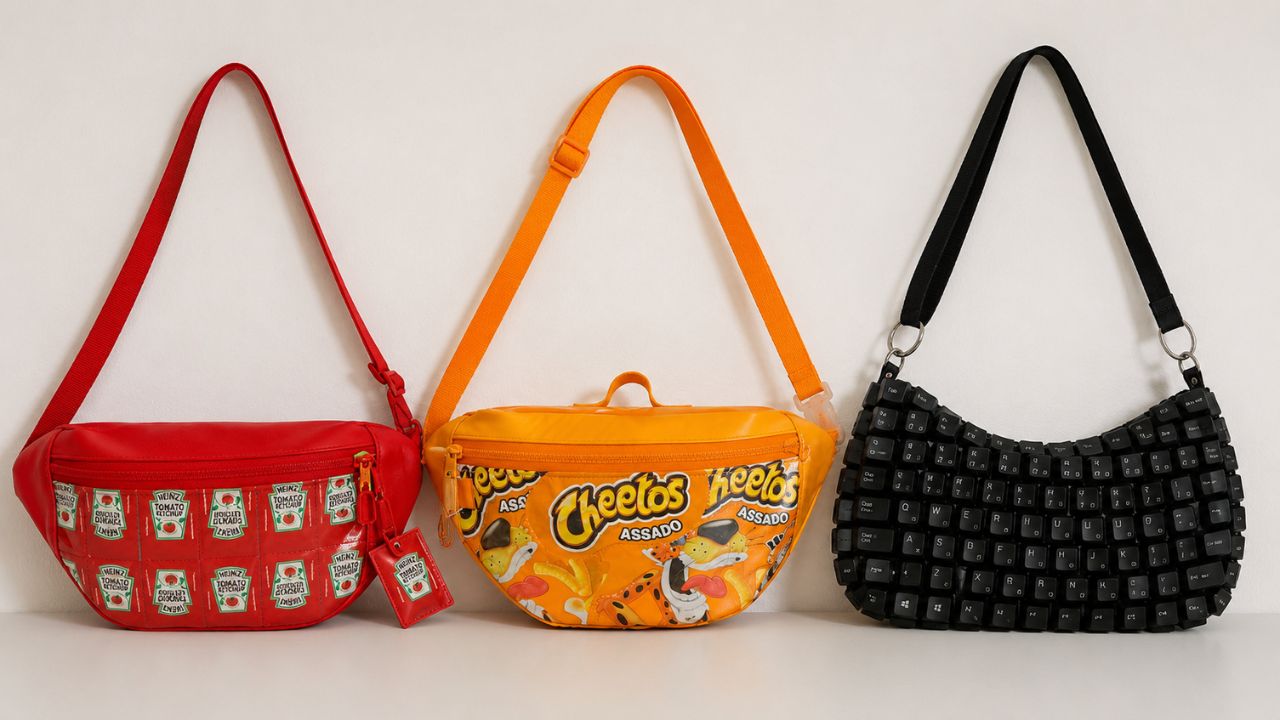

Discover how designer Kayka Couto revolutionized the fashion market by transforming trash and obsolete items into exclusive and sustainable bags.
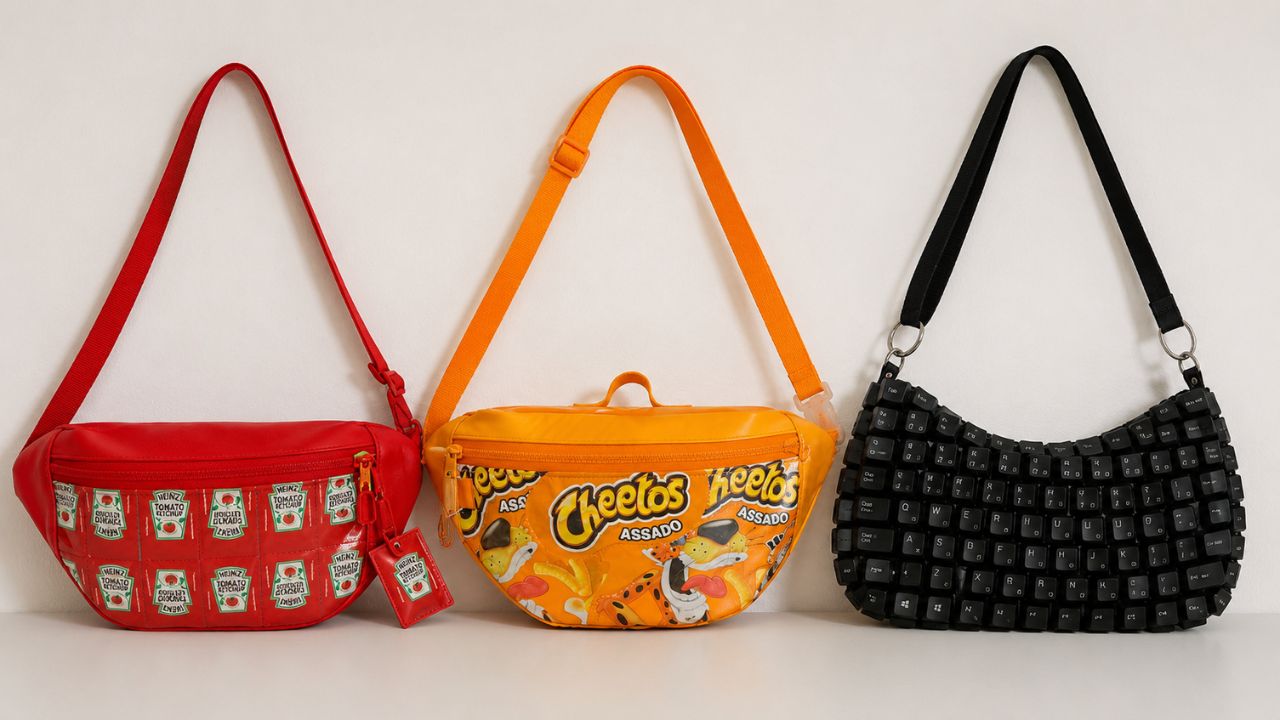
Designer Kayka Couto, at 36 years old, found an unusual way to combine creativity and sustainability: transforming ketchup sachets, instant noodle packages, snack bags, and even computer keyboards into authentic bags and pouches.
What started as a search for therapeutic relief during a professional burnout crisis in 2018 evolved into the creation of Kuhra, an original brand that is now a reference in upcycling and slow fashion.
Instead of using conventional raw materials, the designer from Santa Catarina hunts for items that would otherwise end up in the trash, giving them a new life through detailed manual processes.
-
Instructor Jumps Out of Plane Mid-Flight in Argentina, Leaving 22-Year-Old Pilot Alone in Cockpit, Prompting Aviation Safety Investigation

-
Archaeologists Discover 2,500-Year-Old Tomb with Intact Ceremonial Chariot, Elite Weapons, and Bronze Vessels, Unveiling a Larger Picene Aristocratic Core Than Previously Thought
-
What Seemed Like Drizzle on Radar Was Actually a Swarm of Ants: Heatwave Causes Massive Swarms to Appear in UK Skies, Surprising Meteorologists

-
Pacific Ocean’s Garbage Patch Now Larger Than France, Covering 1.6 Million km², Accumulating Millions of Tons of Plastic and Posing an Invisible Threat to Marine Life


The emergence of Kuhra: healing through sewing
Before becoming a successful entrepreneur, Kayka worked in the financial sector of a travel agency, a role she describes as a source of deep dissatisfaction: “I was exhausted because I hated doing that. I felt on the brink of burnout.” Seeking a sewing course as an escape, she discovered a new vocation: “From the first straight line I sewed, I felt I wanted to do something with it.”
This moment of discovery not only gave the brand its name but also marked the beginning of a complete career transition, which included using her severance pay to invest in the business’s first equipment.
Innovation and inspiration in the creation process
The brand’s creation process is marked by experimentation and the appreciation of emotional memories, such as the collection inspired by the show Castelo Rá-Tim-Bum and the pieces reminiscent of the portable recorder “Meu Primeiro Gradiente”. Regarding the bags made with computer keys, the designer recalls her teenage years in the dial-up internet era:
“I am from the era of dial-up internet. I would wake up in the middle of the night to use the computer. One day, my mother grounded me and took the keyboard away from the machine, and I discovered I could continue using it with just the mouse. But I really liked that keyboard sound, I felt like a hacker typing.”.
For her, finding materials in electronic waste is a constant opportunity: “In my mind, everything will fit perfectly in a bag.” Inspiration also comes from pop culture and art milestones, such as a visit to an Andy Warhol exhibition, which encouraged the creation of repetitive patterns using condiment sachets.
Additionally, the designer has been exploring other techniques:
- The creation of original pieces using the silver side of packaging to compose collages and letters.
- Partnerships with brands, such as the one with Heinz, which resulted in the designer’s first professional advertisement on social media.
- The use of techniques that mix repurposed plastic with structured fabrics to ensure the durability of accessories.


The challenge of the slow fashion market
Since the production process of the bags is artisanal, the brand operates under the logic of slow fashion, which requires strict time management and patience from clients. Currently, the entrepreneur handles almost all stages of the company — from sourcing materials and sewing to managing social media and shipping the pieces.
This challenging model has already brought some scares, such as the cancellation of orders due to buyers’ impatience: “I’ve had sales canceled, with people asking for their money back, even though I had already spent it to buy materials.”
Despite the obstacles, Kayka sees a promising future for original work, especially given the saturation caused by artificial intelligence. She believes there is a growing demand for what is artisanal and real.
For the year 2026, her plans include expanding Kuhra beyond the solitary environment of the studio, offering workshops where she intends to teach how to transform packaging and scraps into bags and pouches, aiming to take the project to the streets and share the learning with more people.