






 Portuguese
  Spanish


NEOM advances contracts to excavate 2 tunnels of 28 kilometers each in the futuristic Saudi megacity The Line of $500 billion
The Saudi project NEOM advanced in May 2026 contracts for excavation by drill & blast method of 2 tunnels approximately 28 kilometers each, dedicated to high-speed rail and freight services, as announced by Limak. The tunnels are part of the The Line project — a 170 km long linear urban corridor in the northwest of the kingdom, financed with about $500 billion by the Saudi crown.
According to the NEOM Company’s schedule, the tunnels will connect logistical hubs of the futuristic project, with trains reaching speeds of up to 180 km/h. In parallel, the megacity plans to house 9 million inhabitants in a straight corridor between mountains and the Red Sea. According to specialized coverage, it is one of the largest urban infrastructure projects ever attempted in the 21st century.
The NEOM project is part of Vision 2030 by Crown Prince Mohammed bin Salman, announced in 2017. In other words, it is an attempt to diversify the Saudi economy to reduce dependence on oil. Therefore, the megaproject receives substantial investments from the Public Investment Fund (PIF), with assets of more than $925 billion.
-
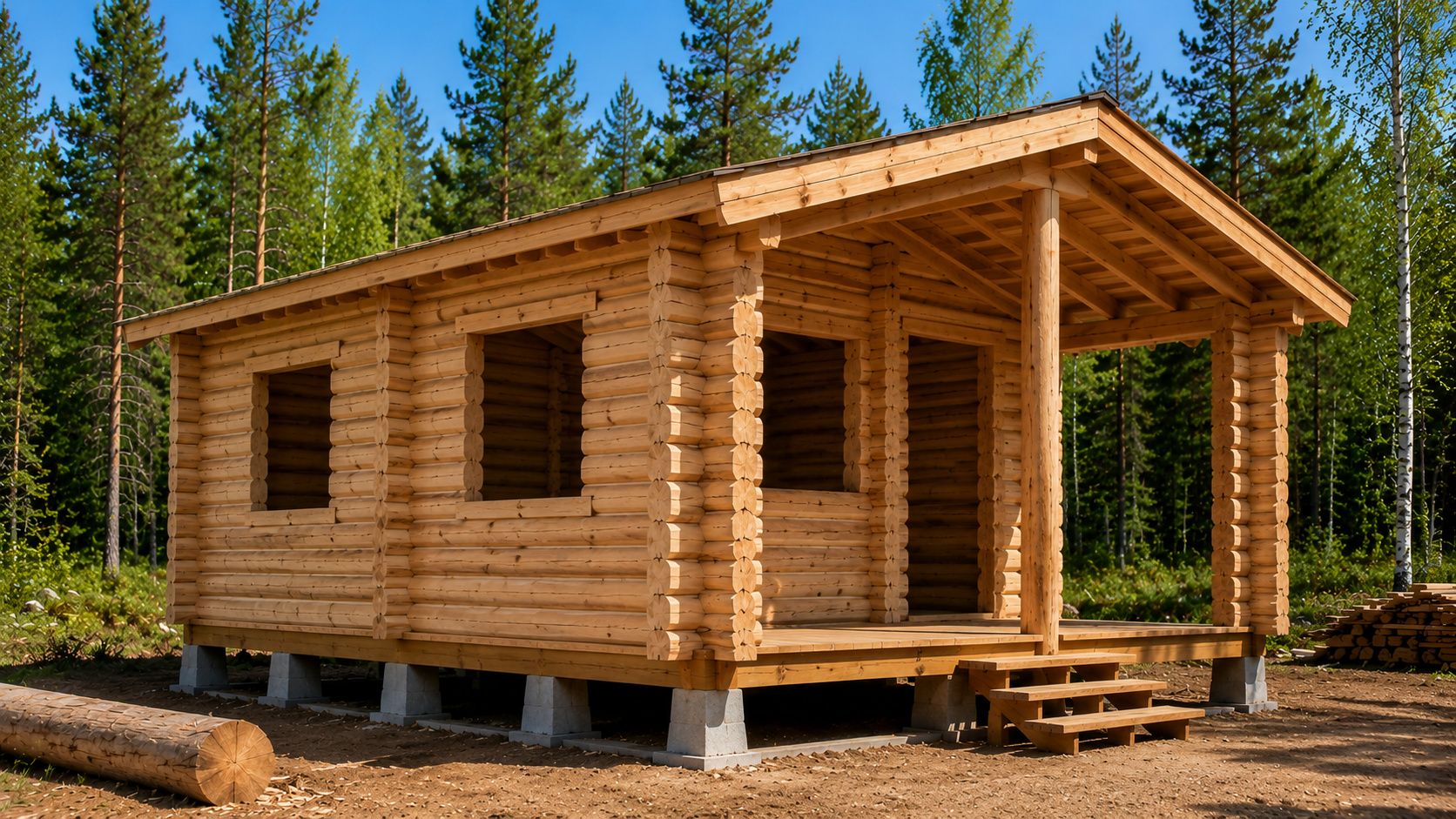
Innovative Project Demonstrates How to Build a Modular, Eco-Friendly Cabin Using Recycled Timber Logs

-
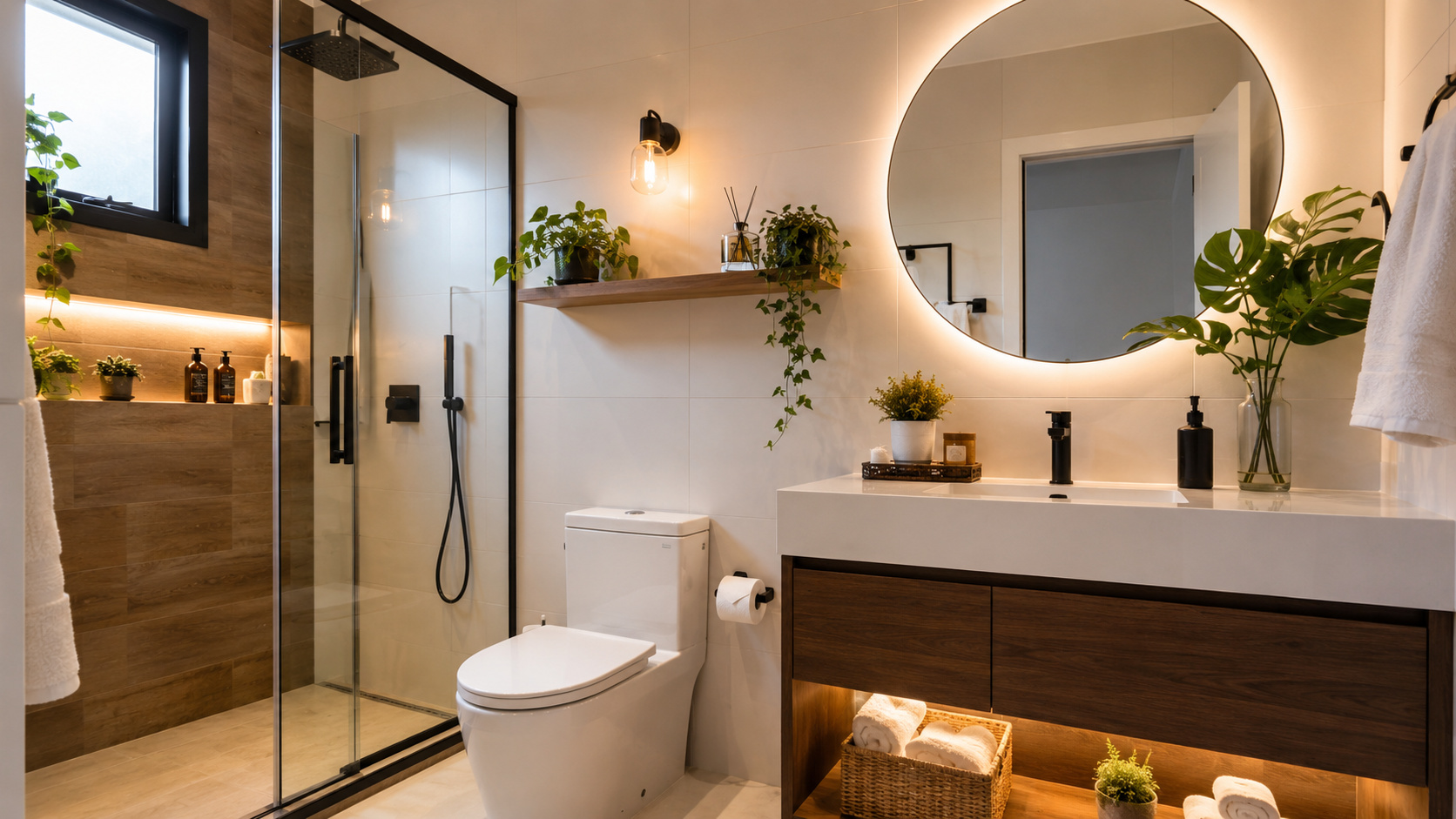
Transform Your Bathroom with Paint, Mirrors, LED Lighting, and Accessories for a Quick, Cost-Effective Makeover
-
Couple Converts 1925 Detroit Bank into Home, Earns $40,000 Annually on Airbnb

-
Tired of Seeing People Sleep in the Cold, London, Canada Opens First Modular Shelter for Homeless with 60 Cabins, Heating, Meals, and Dog Area


The Line: a 170 km linear city that aims to house 9 million
The Line is the centerpiece of NEOM. Firstly, it will be a straight 170 km city stretching from the Gulf of Aqaba to the Hejaz mountains. Secondly, it will be only 200 meters wide and 500 meters high with a mirrored facade — all services and residences within this “strip”.
According to the official plan, internal transportation will operate via high-speed capsules in underground tunnels, with a maximum time of 20 minutes end-to-end. Similarly, there will be no streets for cars — the project promises a “car-free, street-free, emission-free city”. Consequently, the megacity relies entirely on the tunnel railway system.
In parallel, The Line will operate with 100% renewable energy — solar, wind, and green hydrogen. In comparison, the area covered by the corridor would be equivalent to about 34 km² — smaller than cities like Atibaia or Itu (SP), but concentrating 9 million inhabitants vertically. For perspective, this is triple the density of Manhattan.

The two 28 km tunnels and the drill & blast method
The NEOM railway tunnels will be excavated using the drill & blast method, instead of tunnel boring machines (TBM). Firstly, the method is cheaper in hard and dry rock, common in the Hejaz. Secondly, it allows simultaneous construction from multiple fronts, accelerating the schedule.
According to technical data, each tunnel will have a diameter of 14 meters, sufficient space for 2 parallel tracks + a side maintenance platform. Similarly, the ventilation and drainage system needs to be sized for the extreme temperatures of the Saudi desert — which can reach 50°C on the surface.
According to the schedule of the responsible consortium, the 28 km will be completed in 72 months with 4 simultaneous excavation fronts. Consequently, this equates to approximately 5.8 meters of tunnel per day on average. In comparison, the Brenner tunnel (Austria-Italy) advances at 4 m/day, and the future Channel Tunnel advanced at 7 m/day at its peak.
$500 billion and the biggest question: will the project really happen?
The total budget of NEOM exceeds $500 billion. Firstly, this is triple the annual GDP of Bolivia. Secondly, it is equivalent to 60% of Saudi Arabia’s GDP in 2025. According to Bloomberg analysis, about 30% of the value has already been committed in contracts.
On the other hand, there is skepticism. Several international consultants left the project in 2024 and 2025 citing “unrealistic expectations” and delays. Similarly, the original goal of The Line being completed in 2030 has been officially revised — the first phase is now scheduled for 2034 with only 2.4 km of the city built, instead of 170 km.
In parallel, the PIF announced in 2026 a reorientation of the project: focus on priority districts like Oxagon (industrial port), Trojena (mountain resort with the 2029 Asian Winter Games), and Sindalah (luxury resort). Therefore, The Line moves to a secondary scope, although it remains under construction.
- 28 km — length of each railway tunnel
- 14 m — internal diameter of the tunnels
- 170 km — total length of The Line
- 9 million — projected inhabitants
- $500 billion — NEOM budget
- 200 m — internal width of the city-strip
- 500 m — height of the mirrored facades
Trojena, Oxagon and what NEOM has already delivered
Although The Line is delayed, other fronts of NEOM are advancing. Firstly, Trojena is under accelerated construction to host the 2029 Asian Winter Games — which requires facilities for skiing on an artificial mountain in the desert. Secondly, Oxagon receives a floating industrial complex with a $50 billion investment.
According to the official NEOM website, the Sindalah project was inaugurated in 2024 as a luxury island resort. Similarly, there are new hotels, marinas, and theme parks in operation. Consequently, NEOM today generates limited but growing commercial revenue.
In parallel, NEOM’s ecosystem works with green hydrogen from NEOM Green Hydrogen Company, a joint venture between PIF, ACWA Power, and Air Products, with a projected capacity of 600 tons/day of clean hydrogen. Therefore, the project attempts to position itself as a clean energy hub for Europe and Asia.

Impact for Brazil and heavy construction industry
For Brazil, NEOM matters for several reasons. Firstly, Brazilian mining and steel companies supply high-strength steel for Saudi projects. Secondly, part of the green hydrogen produced in NEOM may be exported to Brazil via the port of Suape in Pernambuco as a counterpart.
According to bilateral understanding, Brazil is evaluating partnerships between Petrobras and NEOM Green Hydrogen for future joint ventures. Similarly, Brazilian heavy equipment industries like WEG, Marcopolo, and Tigre see supply opportunities. Consequently, the Saudi megaproject generates demand for the national industrial chain.

Note on deadlines and human rights
The project faces international criticism for labor and human rights issues. Firstly, more than 21,000 workers have died in construction projects in Qatar and Saudi Arabia since 2010, according to human rights organizations. Secondly, local Bedouin communities have been forcibly removed in some areas.
On the other hand, Western governments and international funds continue to invest. Similarly, cumulative delays may compromise the schedule — analysts project that 2040 is a more realistic scenario for substantial completion of The Line, not 2030. Other global megaproject coverage is available in the Click Petróleo e Gás archive. Will Saudi Arabia be able to deliver even half of what was promised?


