






 Portuguese
  Spanish
  4 min of reading
  1 comment


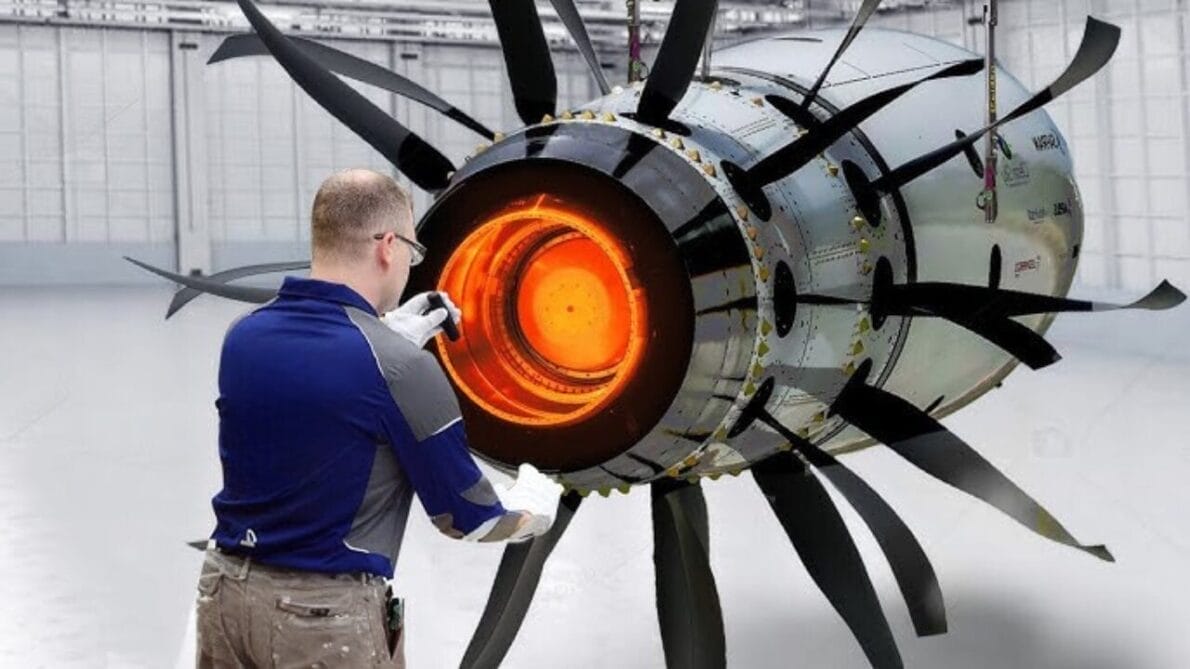


Revolution in Aviation: 2700 HP and 2 MW Electric Motor. Unprecedented Efficiency That Will Transform the Sector
In the midst of the decarbonization process, the largest electric motor in history has been created, with an impressive output of 2,700 HP and 2 MW. It is estimated that by 2030, the majority of vehicles in the world will be electric. Although the outlook is positive and technology is advancing at a surprising pace, there is still a long way to go before electrified models can be viewed with the same confidence as conventional gasoline and diesel cars.
Despite its limited range and the lack of infrastructure still being issues to be resolved, there is no doubt that electric motors have revolutionized the mobility sector. In fact, for many, the future can only be envisioned with them in the spotlight. This type of motor transforms electrical energy into mechanical energy through electromagnetic fields generated by internal coils.
Unlike internal combustion engines, electric motors use a sustainable fuel, the main reason why they have gained such prominence, a prominence that is also palpable beyond the roads. For example, in the fields of navigation and aviation.
-
In the USA, thousands of people are being paid to wash dishes and clean the house with body cameras, every movement turning into data to train robots to imitate humans, in a new “digital gig” that could redefine the future of domestic work.

-
At 22 years old, a young person from Recife creates an artificial intelligence startup with a team barely over 25, serves giants like Bayer and Ipiranga, earns millions without taking a cent from investors, and transforms a young company into a national AI phenomenon.
-
The invisible danger inside the house: plugging too many devices into the same outlet and spreading extensions throughout the rooms can overload the electrical network, silently heat wires, and turn a common habit into one of the leading causes of house fires.

-
Goodbye traditional laundry: Roborock launches washer and dryer with super hydrolysis, microbubbles, 99.99% sterilization, low-temperature drying, automatic detergent, app control, and cycles to remove stains, odors, mites, and bacteria from clothes.





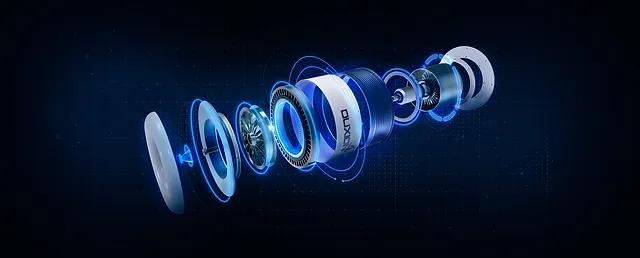
The Largest Electric Motor for Aviation Ever Seen
A new electric motor that can revolutionize aviation has arrived in the sector. Air transport is joining new technologies, and the race for electrification is well underway. The latest major news comes from this electric propulsion motor, which could represent significant progress for the future of sustainable aviation.
Canadian company Duxion Motors tested its new eJet motor with excellent results. It is the world’s first rim-driven electric propulsion motor, a compact motor that allows aviation to be electric and emission-free. To achieve this, it relies on an unprecedented power-to-weight ratio. Furthermore, it allows for dreaming of this propulsion in larger aircraft.
The biggest challenge of electrification in aviation is the same one that plagues automobiles: batteries. The battery pack needed for electric motors is heavy, which affects the lift for flight. This aspect also hinders the weight that can be carried on board and the distance that can be traveled.
However, this company is working to ensure that this new motor achieves an efficiency never seen before for every watt of power.
Duxion has been working on this rim-driven aerospace piece since 2019. In May 2023, ground tests were conducted, and the results were as expected. Currently, the company has already signed a strategic agreement worth Canadian $500 million (about €340 million) with Dymond Aerospace to equip 200 eJet motors in its upcoming fleet of 100 autonomous cargo planes.
At the end of last year, Rick Pilgrim, president and CEO of the company, told the specialized media Skies Magazine that this motor “represents a significant step towards a sustainable future for aviation.”

The Future of Aviation Can Be Anticipated with the Arrival of This Electric Motor
The company’s forecast is that once ready, these motors will provide a thrust equivalent to that of the engines used in 50-seat regional aircraft.
Rim-driven fan (RDF) motors originated in 1940, when they were widely used in marine propulsion. Despite being a revolutionary model, it could not be applied to aviation until the technological advances of the 21st century arrived.
Additional Information about the eJet Motor
The eJet motor from Duxion Motors is one of the most significant advances in electric aviation. With a rim-driven design, the motor is designed to be compact and efficient, minimizing weight and maximizing power.
Technical Specifications:
- Power: 2 MW (2700 HP)
- Power-to-Weight Ratio: Exceptional, allowing applications in larger aircraft.
- Type of Propulsion: Rim-driven, an innovative design that eliminates the need for a central shaft, reducing weight and increasing efficiency.
- Energy Efficiency: Improved, aiming to maximize range and minimize energy consumption.
- Emissions: Zero emissions, promoting a sustainable future for aviation.
Impact on Aviation:
- Range: With improvements in batteries and motor efficiency, the range of electric aircraft is expected to increase significantly.
- Cargo Capacity: The lightweight design allows more weight to be dedicated to payload, improving operational efficiency.
- Maintenance: Electric motors tend to have fewer moving parts, which can reduce costs and maintenance time.
With these advances, the eJet motor not only represents a technological innovation but also a crucial step towards sustainability in aviation, paving the way for a future where electric flights are common and accessible.
Source: Duxion





O motor eletrico do emprrendimento Gaspal da Petrobras/Reduc tem 5000 hp (cinco mil hps). Bem maior que este.