






 Portuguese
  Spanish


The Brazilian government negotiates with China to expand the annual quota of tariff-free beef, currently set at 1.106 million tons. According to the portal exame, Brazil exports about 1.5 million tons to the Chinese market, which means that almost 400 thousand tons are subject to a 55% tariff. The Minister of Development, Industry, Commerce, and Services, Márcio Elias Rosa, stated that the goal is to revise the quota ceiling in the next negotiation cycle so that the increase comes into effect from 2027.
Brazil may exhaust the annual beef quota for China even before the peak export period of the second half, and the government is rushing to prevent the sector from being penalized with a 55% tariff on the surplus. China maintains a quota of 1.106 million tons of Brazilian beef exempt from tariffs, but the actual volume exported is around 1.5 million tons per year. This means that approximately 400 thousand tons of Brazilian beef already enter the Chinese market paying the full 55% tax, making the product more expensive and reducing the competitiveness of Brazilian slaughterhouses against competitors like Australia, Argentina, and Uruguay.
Minister Márcio Elias Rosa confirmed that the bilateral dialogue seeks to revise the quota ceiling in the next negotiation cycle. “The government is building a good dialogue so that, next year, we can review this security with the export quota ceiling,” he stated in an interview during an event in Rio de Janeiro. The expectation is that the new limit will come into effect from 2027, increasing the volume of beef that Brazil can export to China without incurring the punitive tariff.
What is the beef quota and why it matters
The quota is the annual volume of beef that China agrees to import from Brazil with zero or reduced tariff. The current ceiling of 1.106 million tons was negotiated in bilateral agreements and remains fixed, while the actual export volume grows year by year driven by Chinese demand for quality beef protein.
-
Small Farm in Brazil’s Minas Gerais Produces 403 Liters of Milk Daily, Sets Benchmark for Rural Producers

-
Man Revives 1930s Abandoned Trout Farm, Learns from Scratch, and Earns $1.1 Million Annually Selling Fish to Michelin-Starred Restaurants

-
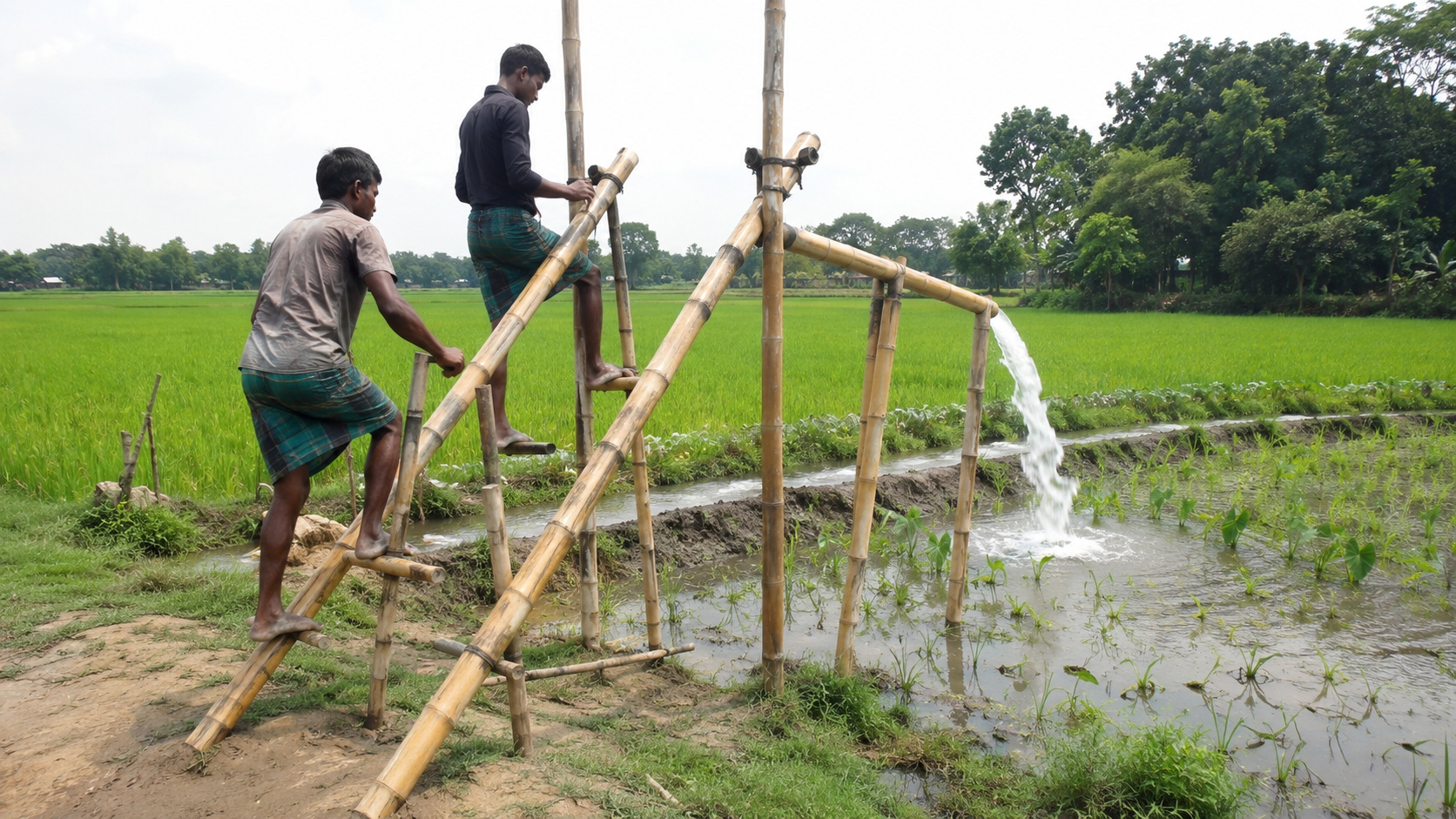
Bangladeshi Farmers Use Bamboo Levers to Pump Thousands of Liters of Water Daily Without Engines or Electricity
-
Brazilian Forests Could Expand by an Area Twice the Size of Switzerland by 2035, but Agricultural Sector Holds the Key, Study Finds




When exports exceed the quota limit, each additional ton of beef pays a 55% import tax. For Brazilian meatpacking plants, this means that a significant portion of the exported volume operates with reduced or even negative margins, depending on the international beef price and logistical costs. The difference between exporting within or outside the quota can represent hundreds of millions of dollars per year for the sector.
Why Brazil Exports More Than the Quota Allows
Chinese demand for beef has grown steadily over the past decade, driven by the rising income of the middle class and changing eating habits. Brazil is the world’s largest beef exporter and China is its main destination, accounting for a dominant share of the sector’s foreign sales.
The quota of 1.106 million tons was set at a time when bilateral trade was smaller and did not keep up with demand growth. Brazilian meatpacking plants continue to export beyond the limit because, even paying a 55% tariff, the Chinese market still absorbs the product. The issue is that the tariff reduces the competitiveness of Brazilian beef compared to suppliers with larger quotas or free trade agreements with China.
The Meatpacking Plants That Resumed Beef Exports to China
Alongside the quota negotiation, Chinese authorities recently lifted the restriction applied to three Brazilian meatpacking plants that had been banned from exporting beef since March 2025. The release increases the number of plants authorized to send beef to China and may increase the total volume exported this year.
The Brazilian government also expects the authorization of new industrial plants, which would expand the supply of beef to the Chinese market. Each new authorized meatpacking plant represents additional slaughtering and processing capacity that can be directed to export. The combination of more authorized plants with the same fixed quota makes renegotiation even more urgent.
What Changes if the Beef Quota is Expanded in 2027
If the negotiation is successful and the quota ceiling is raised starting in 2027, the immediate effect will be the reduction of the tax burden on Brazilian beef exports to China. An increase in the quota covering the actual exported volume of 1.5 million tons would eliminate the 55% tariff on the 400,000 tons that currently pay the full tax, representing savings of hundreds of millions of dollars for the sector.
The impact would extend to the entire production chain: cattle ranchers would receive better prices for cattle, slaughterhouses would expand margins, and Brazil would consolidate its position as the preferred supplier of beef to the largest consumer market in the world. The renegotiation of the quota is, in practice, the main commercial agenda between Brazil and China for the animal protein sector in the coming months.
Did you know that almost 400 thousand tons of Brazilian beef pay 55% tax to enter China? Do you think the government will manage to expand the quota or will China maintain the ceiling? Share in the comments.





And then China says we want 30 % reduction in price on beef or we won’t buy your soybeans. Beware !