Portuguese
  Spanish


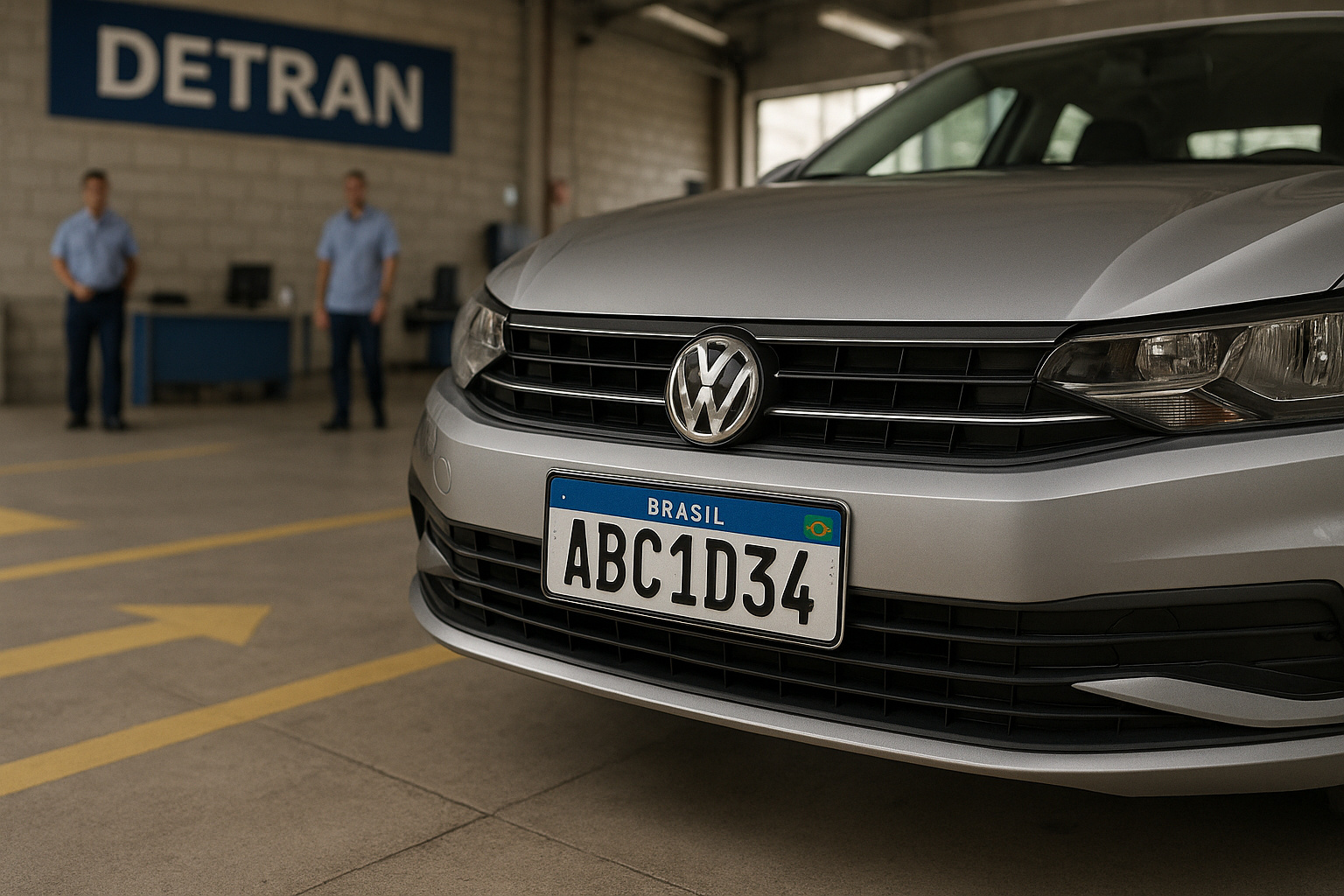


The Mercosur Standard Modernized Traffic in Brazil and Allows Real-Time Vehicle Tracking With QR Code and Data Shared Between South American Countries
Since 2020, Brazilian streets have taken on a new look. The old gray plates, which identified vehicles in the country for decades, were replaced by the modern Mercosur model, a symbol of regional integration and technological advancement. The change goes far beyond aesthetics — it represents a leap in safety, traceability, and international cooperation.
The new format is the result of an agreement between Brazil, Argentina, Paraguay, Uruguay, and Venezuela, with Bolivia in the process of joining. This standardization facilitates cross-border circulation, reduces bureaucracy, and strengthens the fight against transnational crimes, such as vehicle thefts and cloning.
According to information released by Capitalist, the Mercosur standard has brought direct benefits for control and inspection, thanks to the use of digital technologies and embedded cryptography in the plates.
-
Erected in just 30 minutes over the water that had already engulfed the courtyard, a motorized floating bridge from China evacuated more than 6,000 students trapped inside a school surrounded by the flood in the south of the country, after Typhoon Maysak turned the region into a flooded area.

-
Employee buys a ticket that a customer left behind, discovers a million-dollar prize, tries to claim the fortune, is fired after 20 years, and ends up in a legal dispute with the company.

-
China returned almost 20 Brazilian ships with soybeans and is now back to buying from the USA, but stocks above 9 million tons raise suspicions of a political move, not a commercial necessity.
-
Japan will have a bullet train that levitates at 500 km/h and will cross 90% of the route through tunnels; the project promises trips in just 67 minutes but faces billion-dollar challenges and unprecedented environmental obstacles.



Technology That Reinforces Security and Tracking
With seven alphanumeric characters, the Mercosur model abolished the old direct identification of city and state, adopting a cleaner and more modern look. In contrast, it incorporated a unique QR Code, linked to the national vehicle database. This code can be scanned by inspectors and authorities, allowing instant access to official information, such as the vehicle registration and provenance.
In addition to the QR Code, there is also a bas-relief — a physical engraving that makes alterations and counterfeiting difficult. This set of elements reinforces the authenticity of the plates and increases confidence in inspections. Thus, each vehicle becomes traceable in seconds, without relying on visual information or local markings.
These measures have considerably reduced loopholes for fraud, contributing to safer and more controlled roads throughout the Mercosur region.
Digital Queries and Integrated Database
Despite no longer displaying the city and state, the new plate compensates for this absence with technology. The digital system allows to accurately consult the vehicle’s origin, through official government apps.
To do this, simply access Sinesp Cidadão, available for Android and iOS, and log in with the Gov.br account. After entering the plate number, the user has access to detailed data, such as registration location, legal status, and possible restrictions.
This integration creates a continental network of information among the member countries of the bloc. Thus, authorities can track vehicles in real time and share data on police occurrences and suspicious movements — an important advancement in the fight against cross-border crimes.
Challenges and Benefits for Drivers
The transition naturally required adaptation from drivers. Many found the absence of the visual identification of the city, previously displayed clearly, to be strange. However, the fast and secure digital access brought predictability and transparency to the process.
In the long run, experts claim that the new standard is likely to reduce cloning, improve inspections, and simplify border control, uniting Mercosur countries in a modern and integrated vehicle management system.
The change, although challenging at first, has established itself as a milestone in the history of Brazilian traffic — a firm step towards smarter, safer, and more connected roads.
The information was released by Capitalist, based on official data from Denatran and reports on the implementation of the Mercosur system in South American countries.