Portuguese
  Spanish


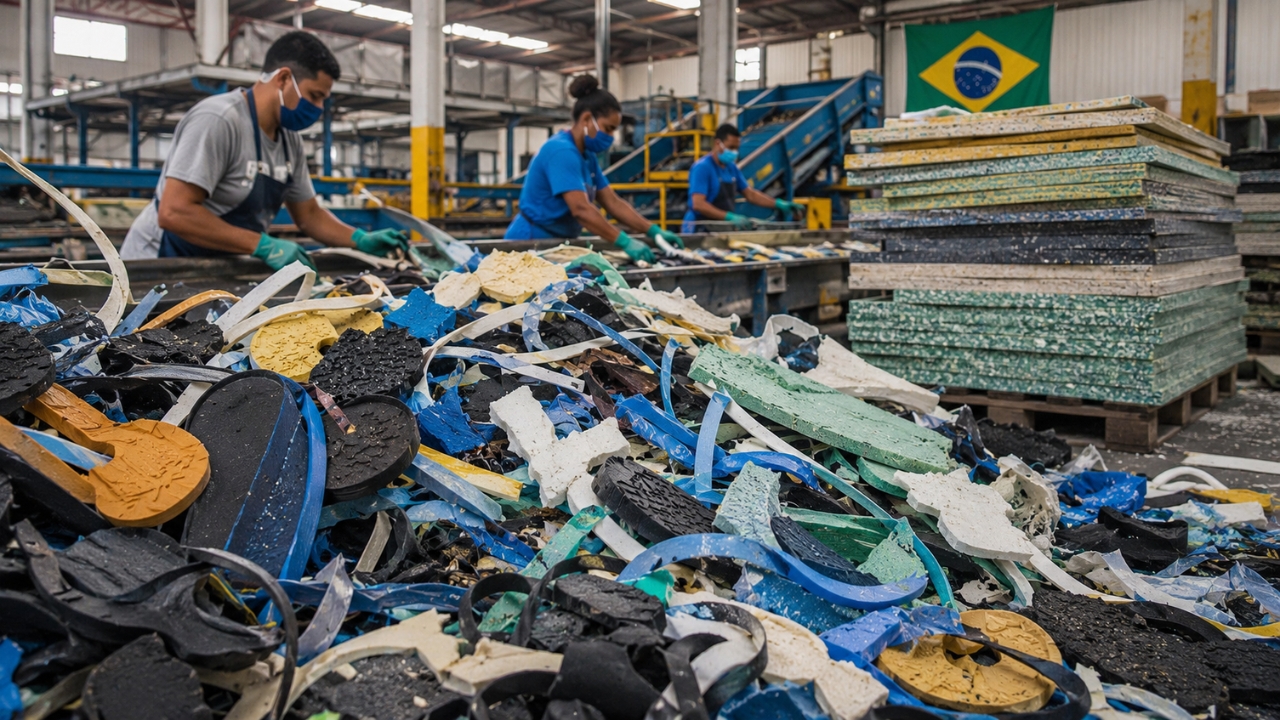

After 20 years of seeing shoe foam, mixed plastic, and rubber being burned due to lack of buyers, two entrepreneurs from Bahia created recyclable boards that carry up to 20 kilos of waste and can replace wood
Disposal took on another form.
For years, tons of EVA foam, a light and rubbery material used in soles, insoles, and flip-flops, left factories mixed with synthetic fabrics, rubbers, and different types of plastic.
Without buyers and difficult to separate, many of these wastes ended up being sent for incineration or used as fuel in industrial furnaces. The material disappeared from the yard, but its value was also lost.
-
What is a red flashlight used for, after all? See why it is so commonly used at night.

-
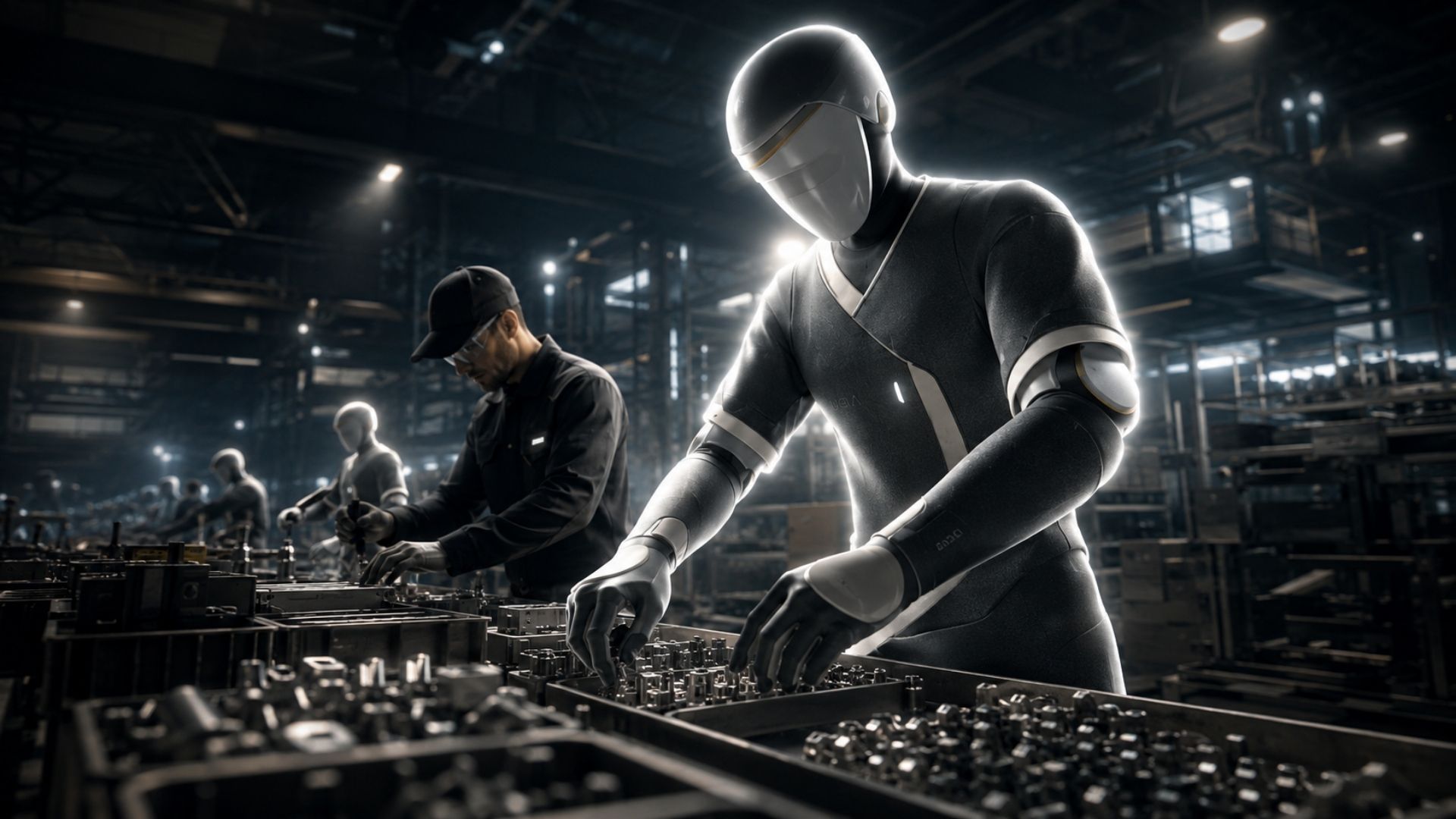
He has never read a line of code, but he already knows how to work: the French company UMA presented in Paris the Northstar, its first AI-powered humanoid robot designed for factories and warehouses, capable of copying tasks just by observing an employee in action.

-
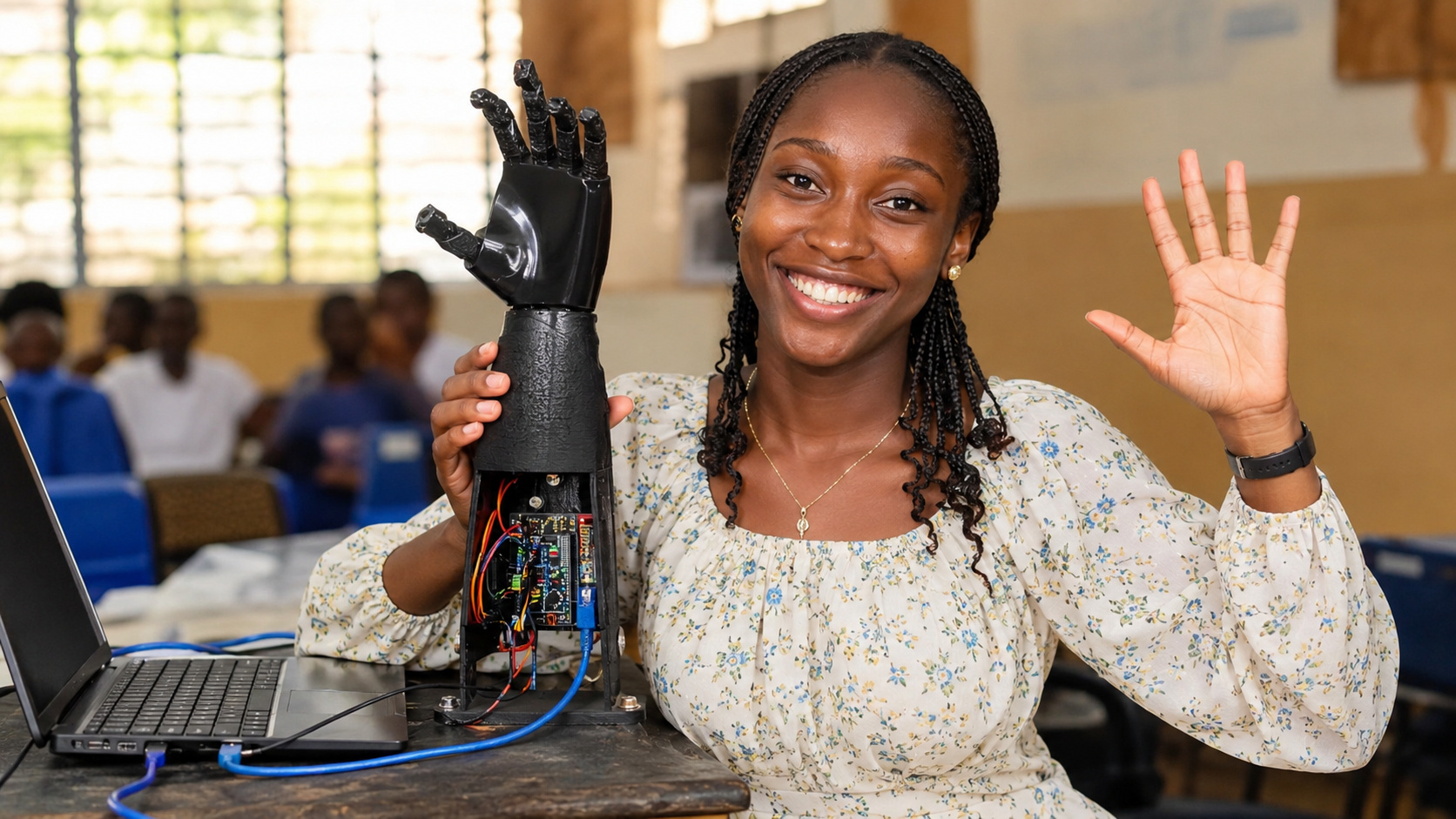
A young Kenyan engineer collects plastic waste from the streets and transforms it into robots that translate physics lessons into sign language in real-time, a machine made with old bottles that teaches what was missing to deaf children left out of science.
-
What is the dark substance found in the sand of Ipanema Beach? Civil Police conduct an examination, collect samples of the material, and initiate an investigation to identify the composition, clarify the origin, and verify if there was an environmental crime.


It was by observing this path that Wellington Soares Freitas and Wesley Kelly Félix Carvalho decided to seek another solution. After more than two decades working with recycling, the two entrepreneurs from Itapetinga, in the southwest of Bahia, developed a technology to transform industrial waste into reusable boards.
The project reports a capacity to reuse 350 tons per year and received a total investment of R$ 2.8 million.
The problem was not collecting, but reusing
Materials like EVA, nylon, rubbers, polyurethane, synthetic fabrics, and multilayer plastics present an additional difficulty.
Multilayer plastics are formed by the union of different materials, as occurs in some packaging and industrial components. This mixture makes separation more complicated and reduces the interest of traditional recyclers.
Wellington and Wesley were already familiar with the problem through Recicla, a company founded by them in Itapetinga in 2001. The experience showed that collecting the waste was not enough.
To prevent the material from accumulating again, it would be necessary to create a product with utility, resistance, and real commercial potential.
Shoe waste turned into heat-molded boards
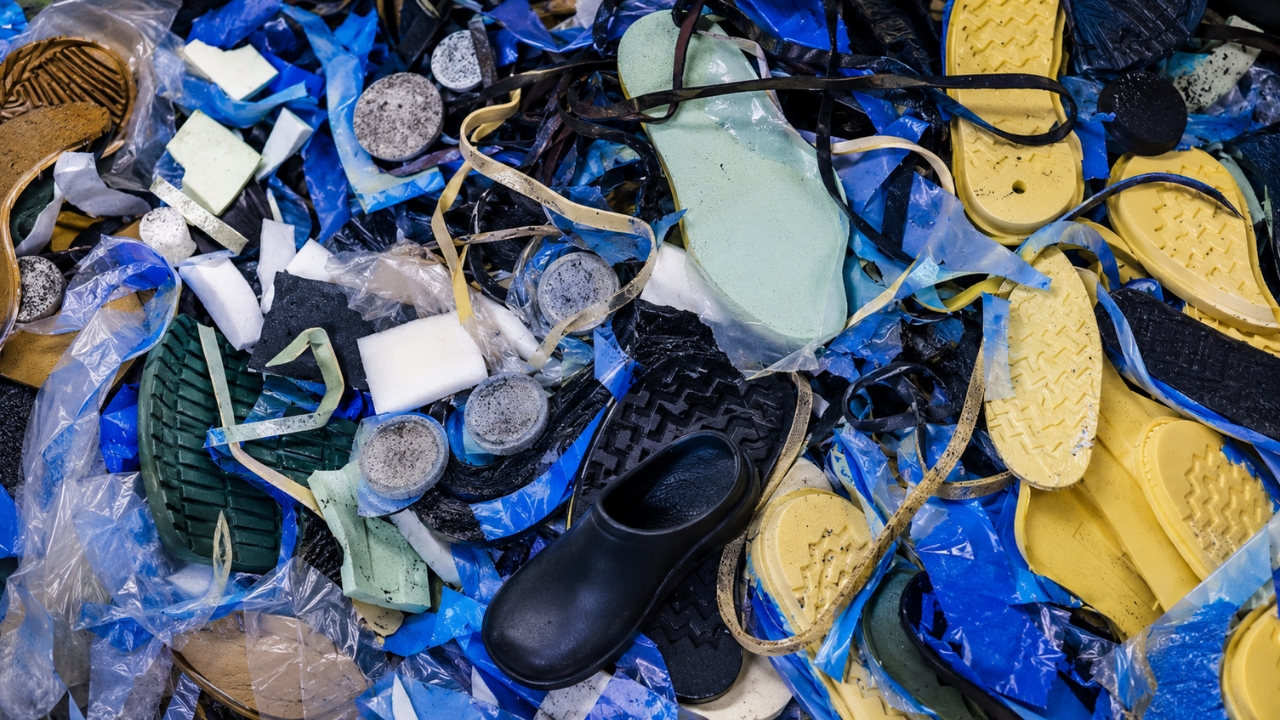
The solution developed by VERT Environmental Solutions transforms the mixture of waste into thermoplastic sheets.
In practice, this means that the materials are converted into heat-molded sheets, which can then be cut and used in the manufacture of other products.
According to Sebrae Bahia, the technology was created to give a new destination to waste that previously went to burning.
The sheets can be used in partitions, coatings, construction forms, pallets, boxes, furniture, rural structures, and urban furniture. In 2025, the company stated it had already created 18 products from the material.
The documentation presented to the FIEB Sustainable Bahia Industry Award states that each sheet can incorporate approximately 20 kilograms of waste. The product was also described as recyclable and reusable, with the possibility of returning to the manufacturing process after use.
Product can replace wood and MDF
The company’s proposal is to replace conventional materials such as wood, MDF, and marine plywood.
MDF is a board produced with pressed wood fibers, widely used in furniture. Marine plywood is made to better withstand moisture and is used in construction, boats, furniture, and wet environments.
The Bahia technology also reached the footwear chain. A partnership related to the Dass Group transformed industrial production waste into sheets intended for applications in construction and agribusiness.
The results presented by VERT include 12 direct jobs and about 500 people benefited directly or indirectly.
The company also estimates avoiding approximately 805 tons of greenhouse gases per year. The calculation uses the expression carbon dioxide equivalent, a measure that encompasses the impact of different gases on the climate.
These numbers were declared in the project presented to FIEB and are not accompanied, in the consulted sources, by an independent environmental audit.
Awards put the technology on the radar
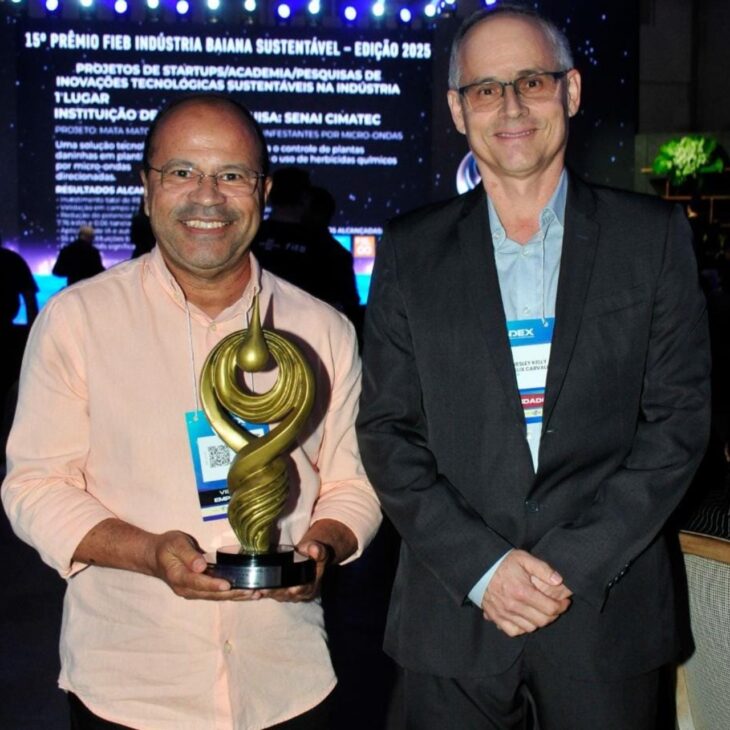
The project, called Smart Plywood, came in second place in its category at the 2025 FIEB Award.
The startup also won a business pitch competition during BTX, a technology event held in Salvador. In these contests, companies present their solutions in a few minutes to evaluators, partners, and potential investors.
In March 2025, VERT filed a patent application related to the technology. The record shows that the company requested protection for the invention, but it does not mean that the patent has already been granted.
Now, the challenge is to automate part of the production, expand the factory’s capacity, and establish new partnerships with industries that generate waste difficult to recycle.
The case of Itapetinga shows that the problem does not end when the truck removes the material from the factory. By transforming 350 tons per year into panels for construction, furniture, and infrastructure, the entrepreneurs demonstrate that part of industrial waste can return to the economy as raw material, instead of disappearing in a furnace without leaving value behind.