Portuguese
  Spanish


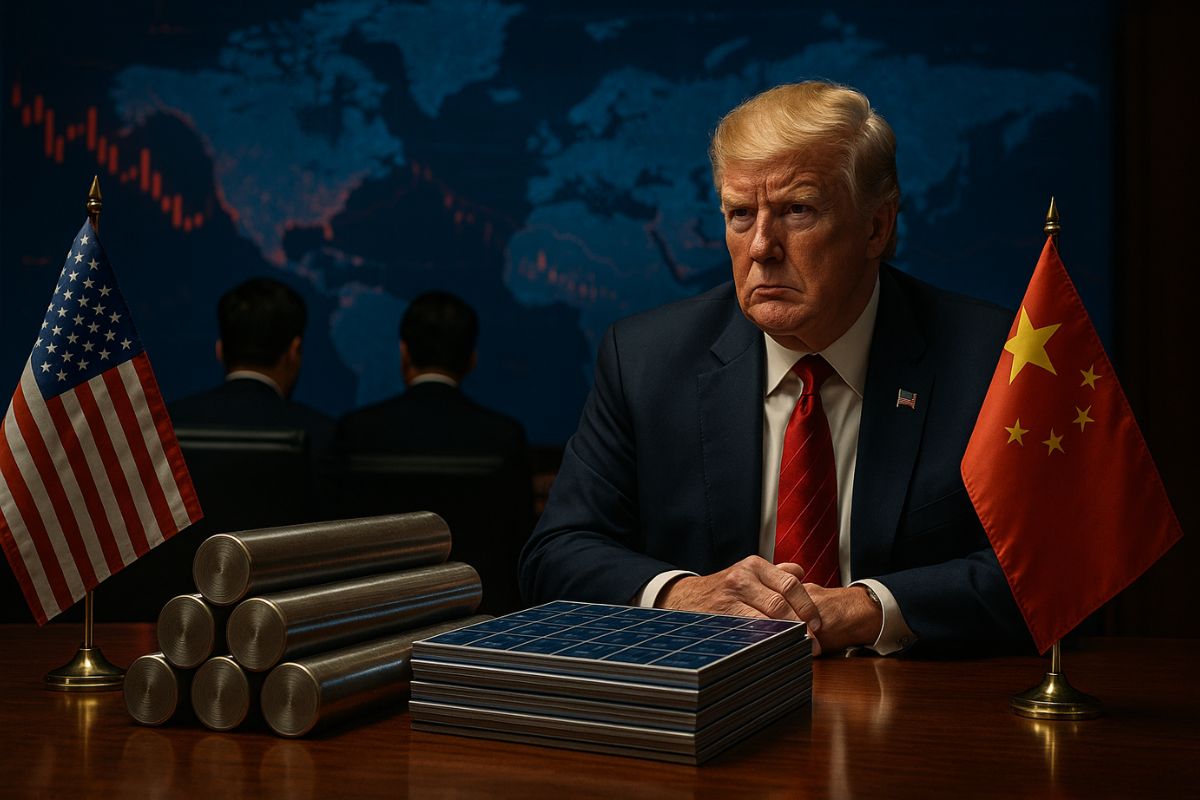


Democratic Lawmakers Claim That China Uses Overproduction as an Economic Weapon and Press Trump to Adopt Binding Clauses in Trade Negotiations, Highlights Poder360.
The Democrats of the United States accused China of flooding global markets with low-cost products, such as steel and solar panels, and demanded that President Donald Trump take a tougher stance in trade negotiations with Beijing. According to a letter sent to Treasury Secretary Scott Bessent, China’s structural overproduction is seen as a direct threat to American industry and global competitiveness.
In the document, the lawmakers request that any bilateral agreement include “binding requirements” to reduce Chinese production capacity, under penalty of prolonging the trade war.
They also advocate for a coordinated strategy with international allies, avoiding isolated tariffs that weaken the U.S. against a production system deemed aggressive.
-
Brazil’s Central Bank’s Tight Monetary Policy Risks Stifling Both Production and Demand Amid High Inflation and Fiscal Imbalance

-
Over a Century After the Sinking, US Takes Legal Action to Stop Auction of Over 100 Titanic Artifacts

-
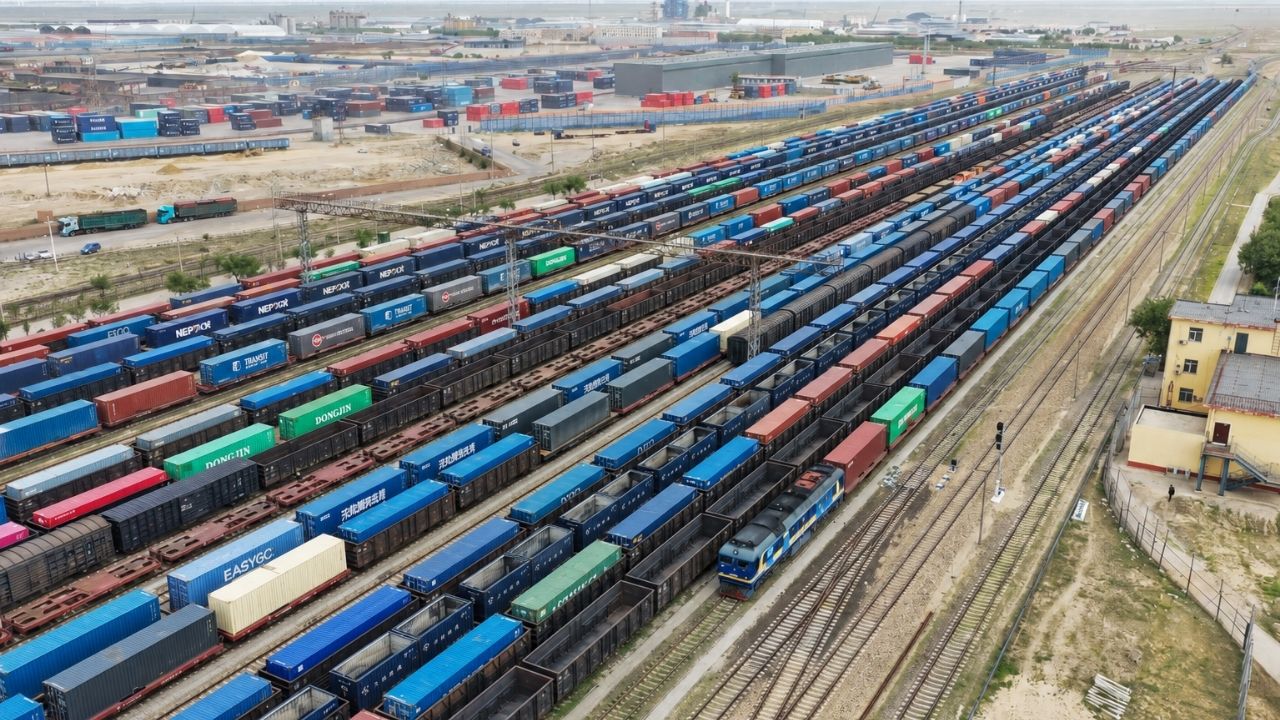
Chinese Rail Port in Inner Mongolia Surpasses 25,000 China-Europe Trains, Connecting 75 Routes Across Over 10 Countries, Showcasing Central Corridor as a Strong Land Alternative to Long Sea Routes
-
Brazilian State Government Establishes New Fire Brigade Battalion with $74 Million Investment



Chinese Overproduction in Focus
For the Democrats, China produces more than it can consume internally, exporting surpluses on a large scale at reduced prices.
This practice, they argue, results in job losses, factory closures, and destabilization of international trade.
Steel and solar panels are the main examples of this overcapacity, with a direct impact not only on the U.S. but also on Europe and other Western markets.
The document states that this is an old growth strategy that prioritizes production expansion even without sufficient demand.
The consequence is what is known as a “price war,” affecting local industries unable to compete with the prices of Chinese products.
China’s Reaction and the Negotiation Climate
The Chinese response was immediate. The spokesperson for the Ministry of Foreign Affairs, Lin Jian, characterized the criticisms as a “pretext for protectionism.”
According to him, the U.S. distorts facts and uses the charge of overcapacity to hinder Chinese development. Beijing insists that its production meets global demand and rejects the narrative of market manipulation.
Negotiations in Madrid include the presence of U.S. Secretary of Commerce Howard Lutnick and Trade Representative Jamieson Greer, along with the Chinese delegation led by Vice Premier He Lifeng.
The goal is to transform the temporary suspension of tariffs into a more stable agreement, which also includes sensitive topics such as fentanyl, the U.S. trade deficit, and the future of TikTok in the country.
Continuity of a Bipartisan Agenda
The Democratic offensive is not unprecedented. During the Biden administration, then-Treasury Secretary Janet Yellen also warned about the risks of Chinese overproduction.
The episode shows that there is a bipartisan consensus in the U.S. that China’s industrial policy presents a structural risk to American employment and competitiveness.
Experts assert that the pressure increases the challenges for Trump.
On one hand, he needs to toughen his tone against China; on the other hand, he risks triggering an escalation that could harm consumers and sectors dependent on Chinese inputs. The balance between firmness and pragmatism will be decisive for the next steps.
Do you believe that the U.S. should impose stricter measures against China to curb overproduction, even risking higher prices for products in the domestic market?
Leave your opinion in the comments; we want to hear your view on the impacts of this trade dispute.