






 Portuguese
  Spanish


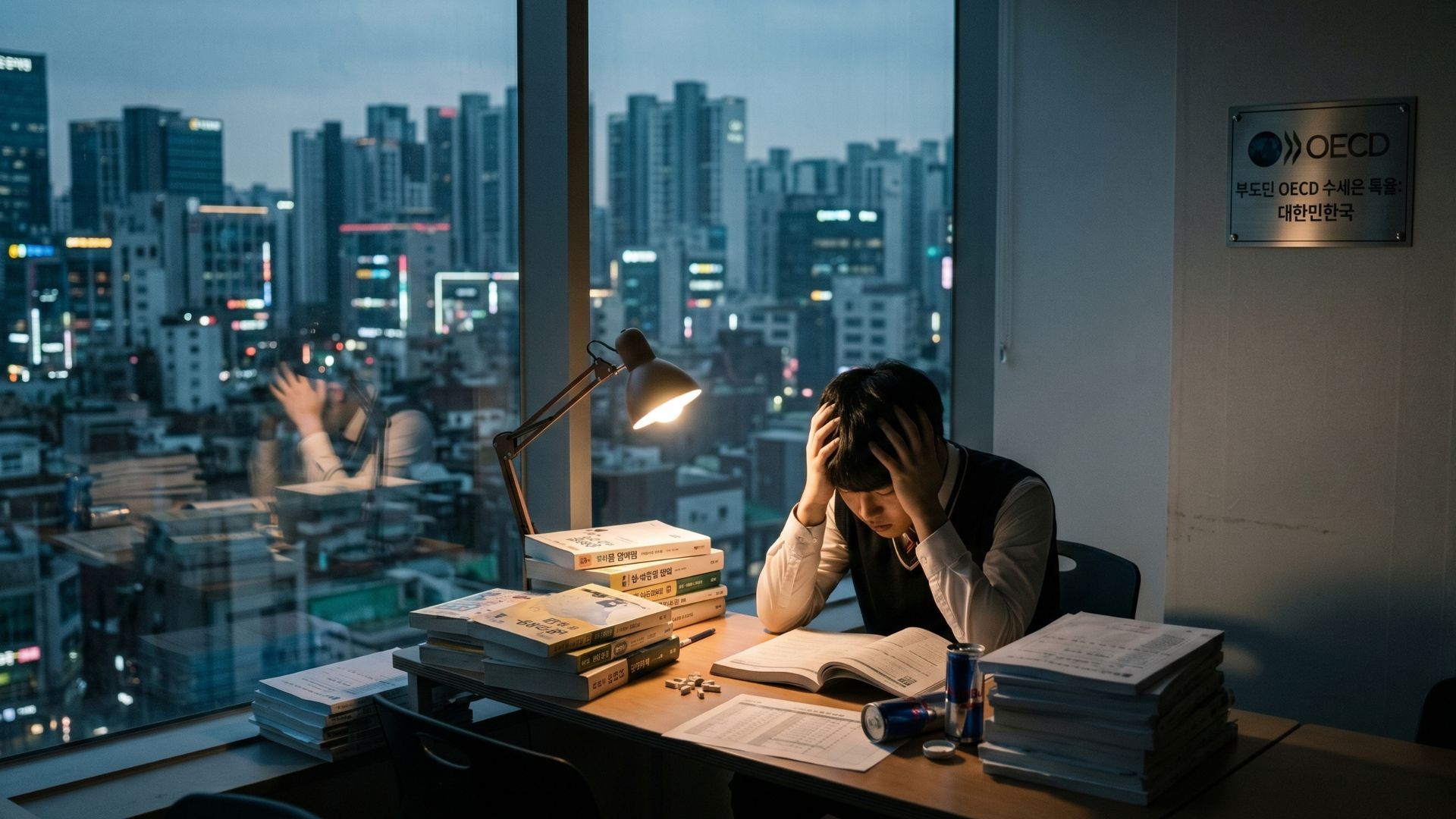

South Korea leads OECD ranking, faces mental health crisis among youth, and exposes the burden of the school system based on hagwons and the Suneung.
According to The Diplomat, South Korea ranks first among OECD countries in total suicide. Among young people, suicide appears as the leading cause of death among teenagers, people in their twenties, and early thirties, according to South Korea’s own statistical agency. The problem gained even more traction in 2025, when the Korean National Statistical Research Institute published the report Quality of Life for Youth 2025. The
document showed that life satisfaction among South Koreans aged 15 to 29 was 6.5 on a scale of 10, placing the country in the 31st position among 38 OECD members, below the average of 6.8. At the same time, the youth suicide rate reached the highest level in 13 years.
Hagwon became a second school and increased academic pressure on children and adolescents
According to The Diplomat, the pressure starts early. In South Korea, 47.6% of children under 6 years old are already enrolled in hagwons, the private tutoring schools, and one in four children under 2 years old also attends this type of institution. The country has made tutoring a structural part of the educational routine.
-
Rescue Teams Use Flashlights to Find 47 Dogs in Abandoned, Powerless U.S. Home, Offering Them a Fresh Start Through Responsible Adoption

-
Siblings Discover 1939 Superman Comic in Late Mother’s Attic, Sets Record at $9.12 Million Auction

-
12-Year-Old Discovers 80-Million-Year-Old Marine Tylosaurus Fossil During Kansas Field Trip
-
At 24, Beatriz Becomes First Woman from Mato Grosso to Work on Live Power Lines with Energisa, Starting as a Meter Reader in 2022



The hagwon functions as a second school. In Seoul, these centers remain open until midnight and receive students who have already spent the entire day in regular school. According to The Diplomat, a common routine for a high school student includes regular classes until 4 PM, math hagwon, then English hagwon, and finally individual study late into the night.


This model has produced a scenario of chronic exhaustion. The publication states that one-third of high school students experience clinical burnout before completing this stage, while most describe their day as a sequence of school, hagwon, and sleep.
Sleep deprivation, emotional risk, and burnout have spread throughout high school
According to The Diplomat, data from the National Assembly of South Korea in 2024 shows the deterioration of student well-being. The percentage of elementary school students getting enough sleep dropped from 56.68% in 2019 to 51.95% in 2023, indicating that chronic fatigue has become part of the school routine.
Among first-year high school students identified at risk of suicide, the proportion rose from 2.1% to 2.4%. Suicide attempts among all high school students increased from 3.66% to 5.99% in just three years, an acceleration that highlights the severity of the emotional crisis in schools.
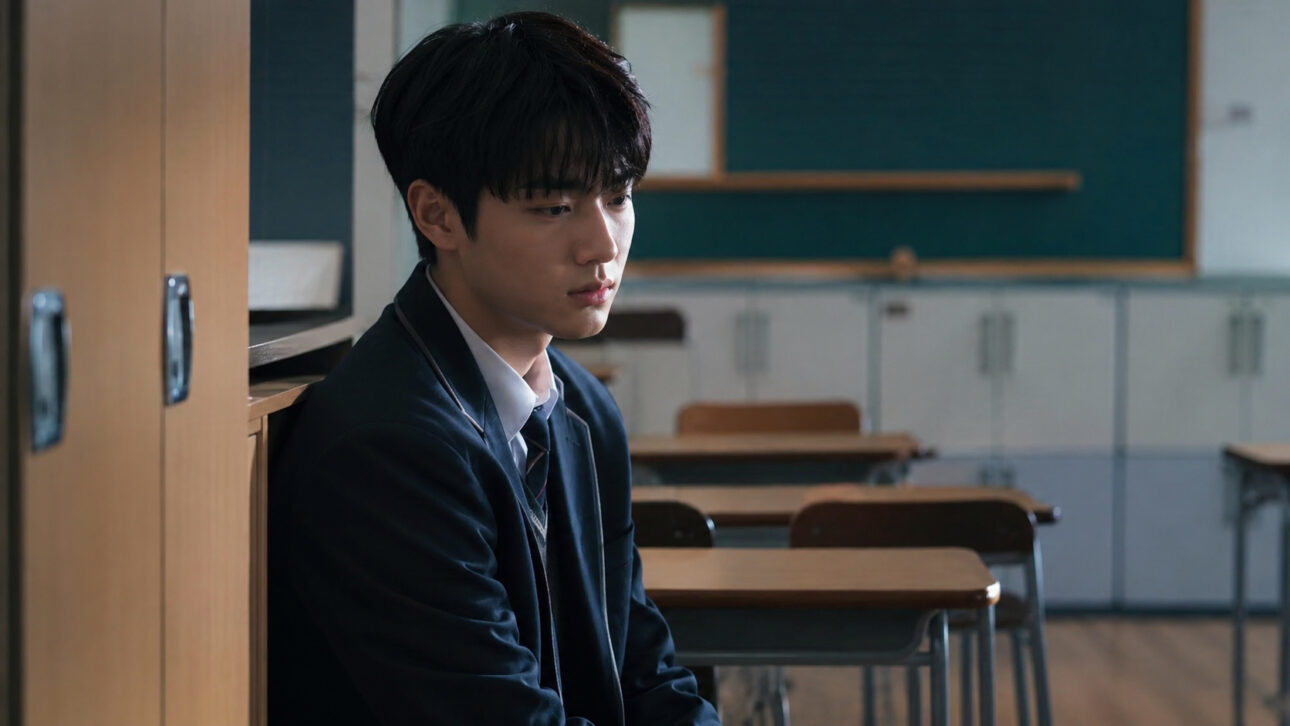
These numbers help explain why South Korean school pressure is no longer seen just as rigorous discipline and has started to be debated as a public health emergency. The center of the crisis is not only in academic performance but in the human cost required to sustain it.
Suneung concentrates academic and social destiny in a single day
According to The Diplomat, in November each year, South Korea literally stops because of the Suneung, the national university entrance exam. Planes are diverted, meetings are postponed, late students receive police escorts, and even helicopters can be used to ensure candidates arrive on time.
The weight of the exam goes beyond university. The widely shared cultural perception, described by the publication, is that the Suneung score influences not only access to higher education but also the first job, career trajectory, and even social status. In this context, the SKY universities, an acronym for Seoul, Korea, and Yonsei, function as a symbol of the boundary between elite and social failure.
This system persists because it produces results for those who manage to navigate it. The problem is what it does to the mass of students who live under permanent preparation for a single test, applied once a year and treated as decisive for the entire adult life.
K-pop, dramas, and academic excellence hide serious mental health indicators
According to The Diplomat, South Korea has built one of the largest cultural industries on the planet, with K-pop, K-dramas, and global brands dominating digital platforms. But this external success coexists with much harsher internal indicators. 42.3% of high school students show signs of stress and 27.7% exhibit symptoms of depression.

Academic pressure appears directly in the data. School stress is linked to 12.1% of all adolescent suicides in the country, while 32.9% of teenagers report suicidal thoughts associated with the pressure of the Suneung. These numbers help dismantle the image that high academic performance comes without human cost.
The contradiction becomes even stronger when the focus shifts from performance to well-being. According to The Diplomat, South Korea ranks among the top in the world in PISA for math, reading, and science, but falls to the 27th position among 36 OECD countries in child well-being, with especially low scores in mental health and life satisfaction.
South Korean government tried to react, but system incentives remain intact
According to The Diplomat, the South Korean government does not ignore the crisis. In 2011, then-President Lee Myung-bak enacted a suicide prevention law that created a national network of mental health centers, with counselors, crisis response teams, and training programs for teachers and paramedics to identify at-risk youth.
In 2022, the government announced restrictions on the operating hours of hagwons, prohibiting classes after 10 PM in various jurisdictions. But the effect was partial.
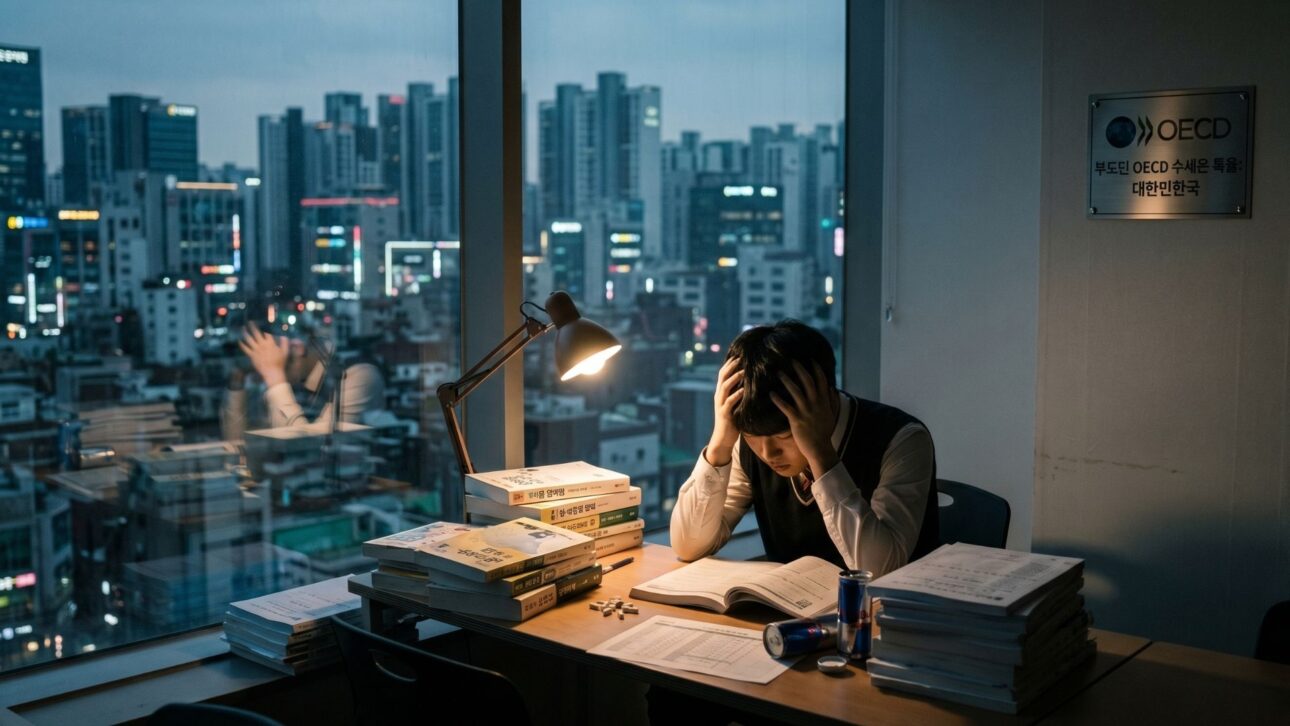
According to the publication, many centers migrated the content to online platforms or kept students in independent study sessions that effectively prolonged the same exhausting routine.
The central obstacle remains structural. As long as employment depends on the diploma from the right university, the right university depends on the Suneung, and the Suneung continues to concentrate so much decision-making in a single exam, the demand for hagwons will remain strong and the pressure on young people will continue to be reproduced.
The same system that helped create the Asian cultural powerhouse exacts a high price from the youth
According to The Diplomat, there is an irony at the center of South Korea’s trajectory. The same extreme academic discipline system that helped form the workforce that built Asia’s largest cultural industry is also linked to a severe mental health crisis among young people.
The engineers, screenwriters, choreographers, directors, and executives who built the K-pop and K-drama machine also went through this competitive model.
The cost of this machinery does not appear in the exported products, but rather in public health reports, in indices of emotional suffering, and in the rising rates of suicide among teenagers and young adults.
South Korea exports music, series, cosmetics, and technology with enormous efficiency. What it does not export with the same intensity is the social cost of the system that helped produce this success, a cost that appears in data on insufficient sleep, burnout, depression, and loss of perspective among young people.


