Portuguese
  Spanish





Established in 1962 after decades of laborers’ fight, the extra salary at the end of the year injects more than R$ 300 billion into the economy and has become a pillar of culture and financial planning in Brazil.
The extra salary at the end of the year, officially known as the 13th salary or Christmas Bonus, is one of the most recognized and important institutions in Brazil. For many foreigners, the idea of a mandatory extra payment seems strange, but for millions of Brazilians, it is a sacred right and a fundamental part of the family budget.
According to a report published by outlets such as the newspaper O Globo, the history of the 13th salary was not a concession, but a victory of the working class. Approved during one of the most turbulent periods in Brazilian politics, the benefit has solidified as a pillar of the economy and national culture, defining the rhythm of consumption, celebrations, and financial planning at the end of each year.
The Victory of Laborers That Became Law in 1962
Long before the extra salary at the end of the year became law, the idea of an end-of-year bonus was already a central issue for unions. Since the 1920s, workers from various categories, such as textile, railroad, and banking workers, organized strikes to transform what was a voluntary “bonus” into a guaranteed right.
-
How to Prevent Brown Recluse Spider Bites: Common Hiding Spots and Free Tips to Reduce Risks

-
Natto: The Unusual Japanese Superfood Gaining Popularity on Social Media and Driving Record Exports
-
Brazilian Mayor Goes Undercover as Homeless for 24 Hours to Assess Public Services

-
15-Year-Old Entrepreneur Malu Lira Publishes 20 Children’s Books on Financial Education, Earns $500,000, and Expands Her Project to the Amazon Rainforest




The victory came at a time of great political upheaval. On July 13, 1962, amid a scenario of strong popular pressure, then-president João Goulart sanctioned Law No. 4.090/62, which instituted the Christmas Bonus. The project, authored by deputy Aarão Steinbruch, faced strong opposition from the business sector, which anticipated an economic disaster that never materialized.
How Does the 13th Salary Work? Who Has the Right and How Is It Calculated?

The 13th salary is a right of every worker with a signed employment contract (CLT), including domestic, rural, and temporary workers. The benefit also extends to retirees and pensioners of the INSS, which greatly expands its social impact.
The calculation is simple: the worker is entitled to 1/12 of their salary for each month worked. Those who worked the entire year receive an extra full salary. Payment is made in two installments:
- First Installment: Paid between February and November 30, corresponds to 50% of the gross salary, without deductions.
- Second Installment: Paid by December 20, with the deduction of Income Tax and INSS from the total amount.
The Injection of Billions into the Market with the Extra Salary at the End of the Year
The extra salary at the end of the year is one of the most important macroeconomic phenomena in Brazil. According to data from DIEESE (Inter-Union Department of Statistics and Socioeconomic Studies), the payment of the 13th salary injected R$ 291 billion into the economy in 2023.
For 2024, the projection is for an injection of R$ 321.4 billion, which is equivalent to about 3% of the national GDP. This money, received by over 92 million Brazilians, is the main driver of commerce during the Christmas season and a crucial tool for families to pay off debts and plan for expenses at the beginning of the following year, such as vehicle taxes and school supplies.
A Brazilian “Jabuticaba”? The Comparison with Other Countries
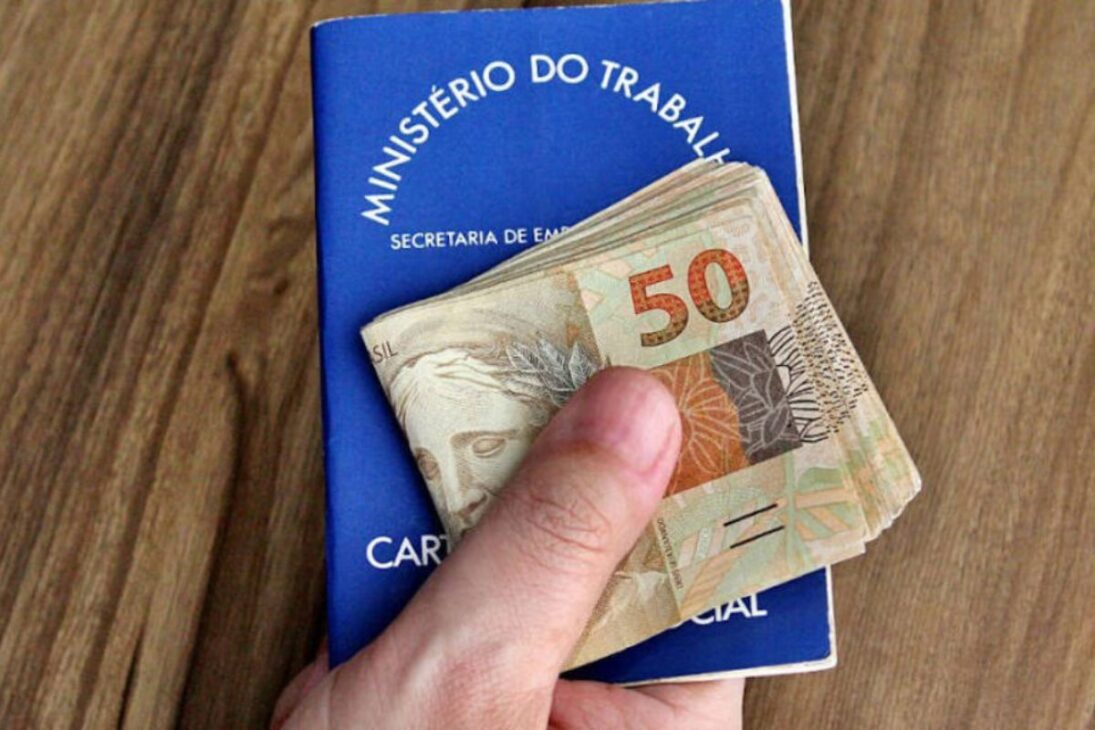
The idea that the 13th salary is a “jabuticaba,” something that only exists in Brazil, is not entirely correct. Although it differs from the common voluntary bonuses in the United States, the Brazilian model is part of a legal tradition present in many other countries.
- In Mexico, there is the “Aguinaldo,” a mandatory payment of at least 15 days of salary.
- In the Philippines, the “13th-Month Pay” is also a legal obligation for the private sector.
- In Portugal, the system goes further, with the payment of the 13th (Christmas Allowance) and the 14th salary (Vacation Allowance).
This shows that Brazil is part of a legal tradition that values universal labor rights.
The Legacy of a Right: Why is the 13th Salary So Important?
The extra salary at the end of the year has consolidated itself to such an extent that it was included as a social right in the Federal Constitution of 1988. This “constitutional shield” protects it from changes and makes it a permanent part of the Brazilian social contract.
Its legacy is twofold. Economically, it is a predictable and powerful stimulus for the economy. Culturally, it has intertwined with year-end traditions, being the financial pillar that allows millions of Brazilians to celebrate Christmas and New Year with more safety and dignity.