






 Portuguese
  Spanish


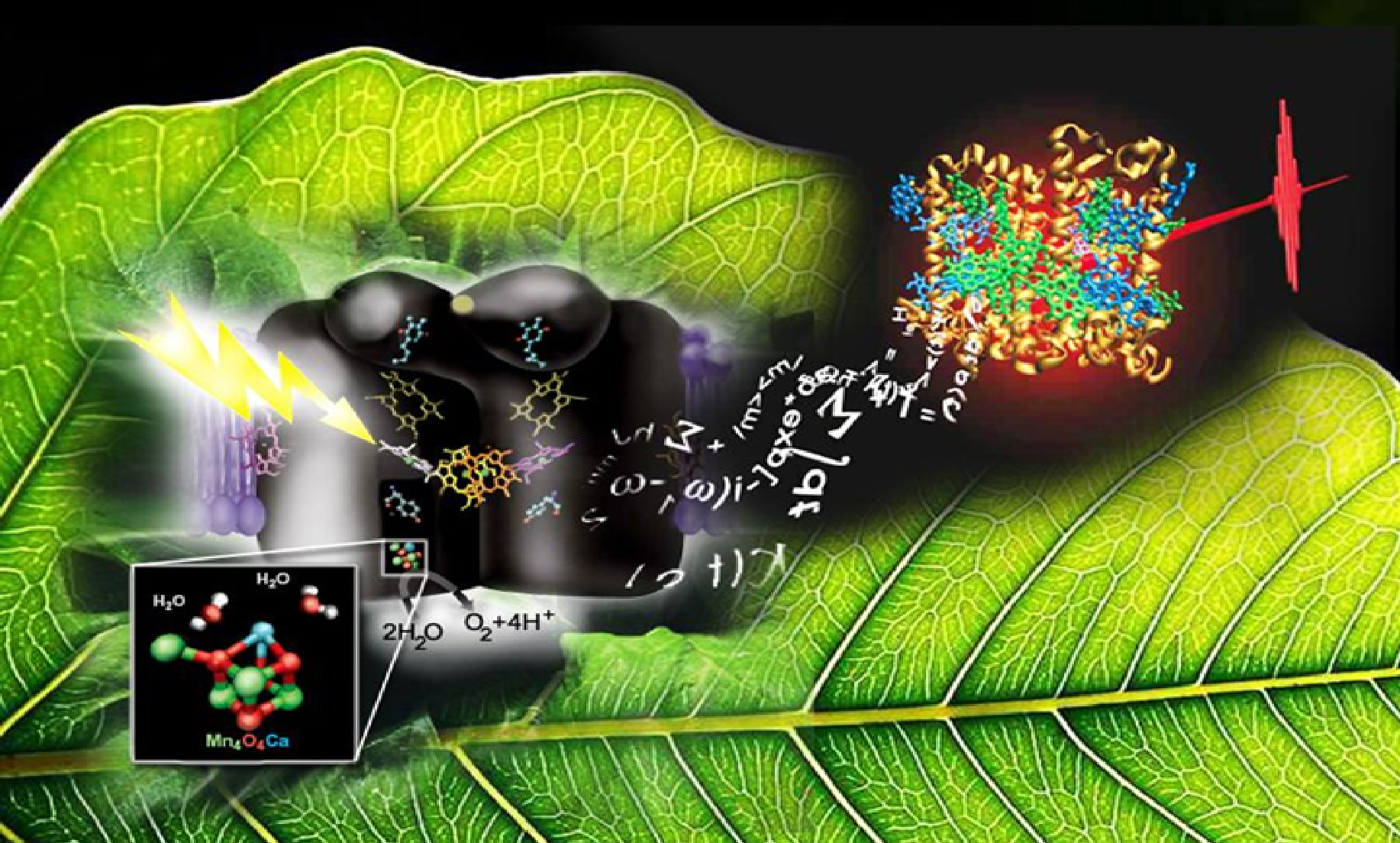


How Quantum Photosynthesis Can Revolutionize Sustainable Energy? Discover How This Amazing Discovery Can Capture Energy
Quantum photosynthesis is a fascinating discovery that combines biology and quantum physics, promising to enhance the way we capture and utilize energy. This groundbreaking concept suggests that quantum processes can make light capture by plants even more efficient, paving the way for new technologies in biotechnology and renewable energy, according to the website Em.
What Is Quantum Photosynthesis and Why Is It Revolutionary?
Unlike conventional photosynthesis, which relies only on biochemical reactions, quantum photosynthesis utilizes principles of quantum mechanics to explain how plants convert light into energy.
- Quantum Superposition: Electrons can explore multiple paths at the same time, identifying a more efficient route.
- Quantum Coherence: This specific allows energy to be transported in an optimized manner within plant cells.
By harnessing these properties, plants maximize solar light capture, evolving energy with greater efficiency.
-
China Develops Custom 140-Ton Electric Mining Truck with 770 kWh Swappable Battery, Deploys 290 Units in Xinjiang’s Largest Zinc Mine

-
Meta to Launch Arena, a New Prediction App Targeting 3.56 Billion Users, Competing with Polymarket and Kalshi

-
Scientist Challenges Famous Human Evolution Theory, Argues Homo Sapiens Evolved Gradually Over Thousands of Years
-
15-Year-Old American Builds Ocean Generator with PVC Pipe and 3D-Printed Propeller for $12, Wins National Prize, Presents at White House, and Makes Forbes 30 Under 30 List






How Electrons Travel in Photosynthesis and Impact Quantum Efficiency?
In traditional photosynthesis, solar light excites electrons, which then travel through a chain of chemical responses. In quantum photosynthesis, these electrons test different trajectories at the same time, finding the most efficient path for energy conversion.
This process reduces waste and optimizes solar light absorption, enabling a more effective energy conversion.
Studies show that this efficiency can be replicated in artificial systems, inspiring technological advancements.
Applications for Sustainable Energy and Biotechnology
Quantum photosynthesis opens new possibilities for capturing clean energy and improving agricultural productivity.
Renewable Energy: Technologies that mimic quantum photosynthesis could lead to the creation of ultra-efficient solar panels.
Biotechnology: New crops can be developed with better climate adaptation and higher yields.
Industrial Processes: Quantum efficiency can be applied in the creation of more sustainable and eco-friendly batteries.
These advancements could reduce our dependence on fossil fuels and transform the global energy sector.





