





 Portuguese
  English
  Spanish
  3 min of reading
  0 comments


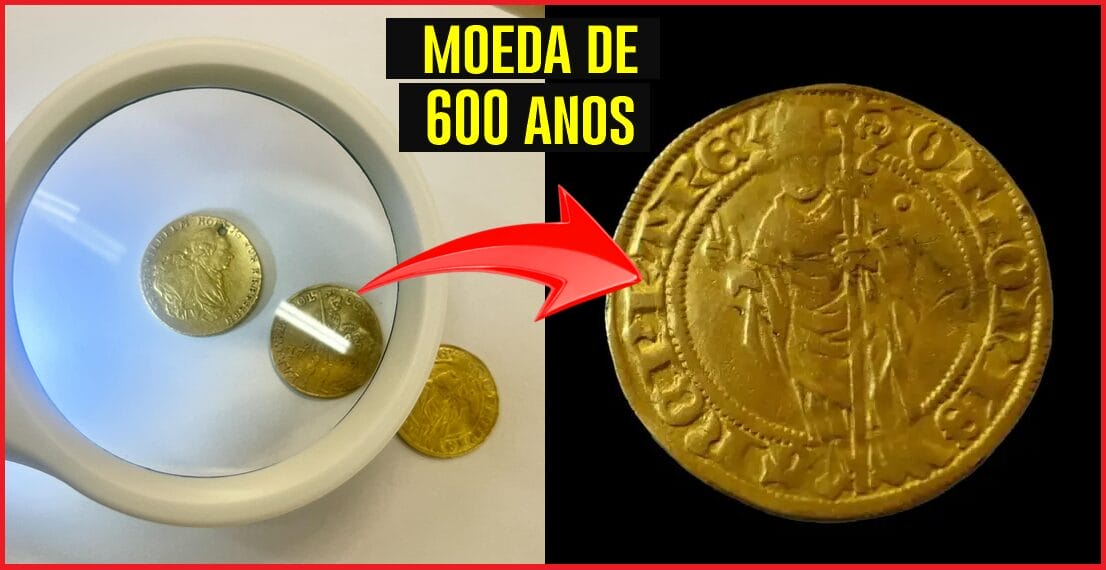
A 600-Year-Old Gold Coin Linked To Medieval Trade Routes Was Found. Discover How This Discovery Can Offer New Insights Into The Trading Networks Of Medieval Europe!
An Extremely Rare Medieval Gold Coin Was Discovered Near Kamień Pomorski, In West Pomerania, Poland. The Discovery Was Made By Daniel Kwaśniak, A History Enthusiast And Member Of The Saint Cordula Exploration Association, During A Metal Detecting Research Authorized By The Provincial Conservator Of Monuments In Szczecin.
The Gold Coin, Known As A Florin, Drew Attention For Its Remarkable Preservation, Even After Six Centuries Buried In Poland. The Museum Of The History Of The Land Of Kamień (MHZK) Highlighted The Historical Value Of The Piece, Especially For The Quality Of The Details On Its Surface.
“The Gold Coin Is Proof Of Intense Commercial And Political Contacts Between Pomerania And Central Europe In The 15th Century. The Coin Could Have Arrived In The Territory As A Trade Element. It Cannot Be Excluded That It Was Part Of A Larger Treasure That May Have Been Hidden During Armed Conflicts“, Stated A Museum Representative In Poland.
-
Without radar, without fines, and without physical barriers: a red road in India uses smart asphalt with different colors and textures to reduce vehicle speed and protect wildlife in a natural and efficient way.

-
Thousands of small fish were caught climbing a 15-meter vertical waterfall in the Congo using microscopic hooks on their fins in a nearly 10-hour journey that defies gravity.

-
Archaeologists found in the Tyrrhenian Sea, a few kilometers from Rome, a submerged Roman structure about 50 meters long, with concentric walls, noble floors, and signs of an elite villa preserved under the waters.

-
BBC announces largest staff cut in 15 years with 2,000 layoffs to save 3.2 billion reais while facing a 10 billion dollar lawsuit filed by Donald Trump in the United States.

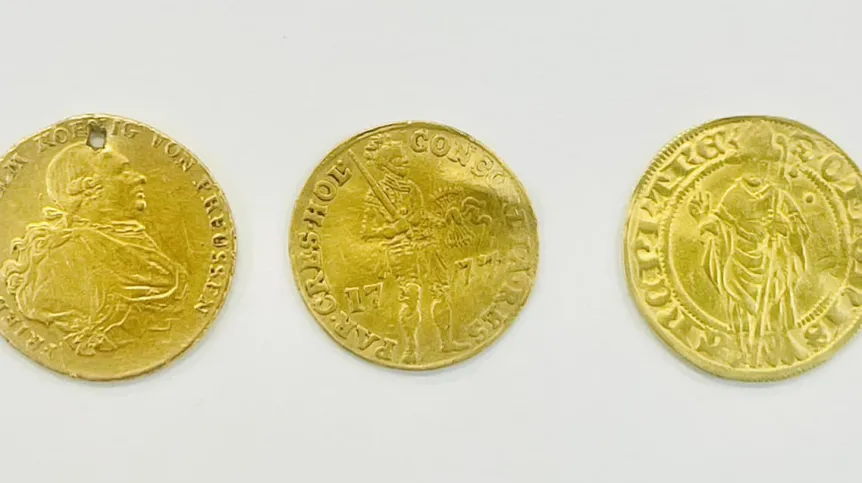
Details Of The Gold Coin
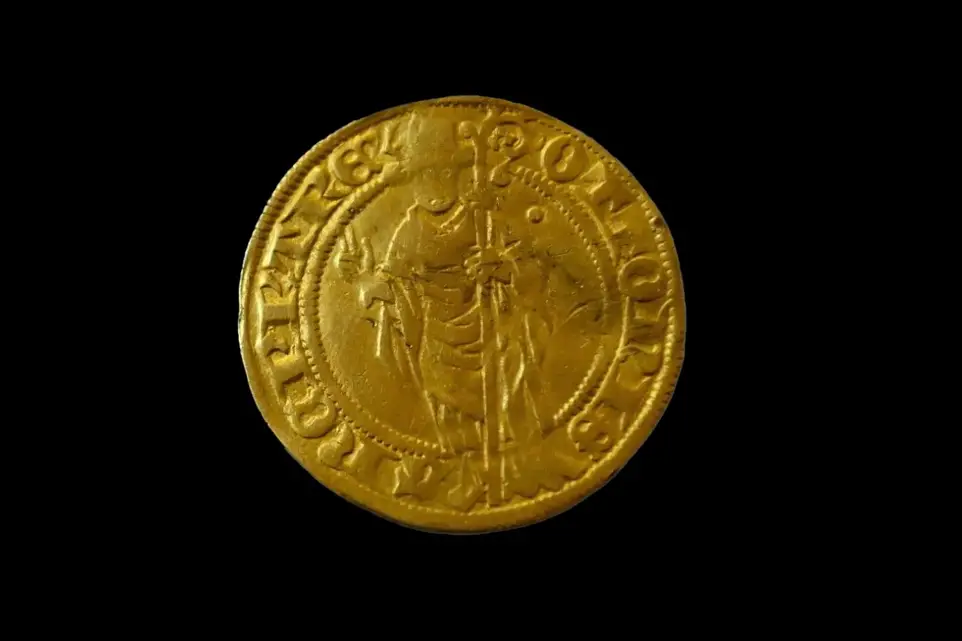
One Side Of The Coin Depicts A Figure Known As Ziegenhein, Wearing Liturgical Garments. He Holds A Pastoral Staff In One Hand And Performs A Blessing Gesture With The Other. The Latin Inscription “OTTONIS ARCPI’TR” Can Be Translated As “Otto, Archbishop Of Trier“, Indicating A Possible Clerical Origin.
The Other Side Of The Coin Features A Heraldic Shield Associated With The Archbishopric Of Trier, Surrounded By The Inscription “MOnETA-nOVA-AVREA-OVEN“, Meaning “New Gold Coin Of Offenbach“. The Coin Has A Diameter Of 28 Millimeters And A Thickness Of 0.7 Millimeters.
Trade And Medieval Routes
Experts Suggest That The Presence Of This Coin In Pomerania Reinforces The Importance Of The Region As A Crossroads For Trade And Political Routes In The 15th Century. Renish Florins, Like The One Found, Were Widely Used For Long-Distance Trade, Particularly Between Regions Such As Bohemia, Hungary, Switzerland, Moravia, Holland, Spain, And France.
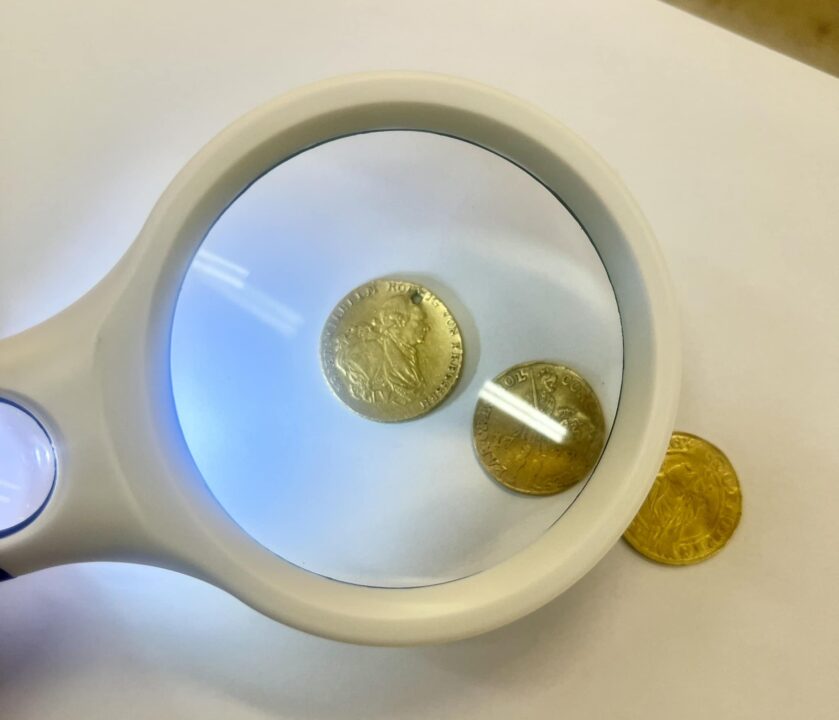
This Discovery Raises The Number Of Gold Coins Found In The Region To Three. In Addition To The Florin, A Gold Coin From The Duchy Of 1777 Was Discovered Earlier This Year, And A Coin From Frederick William II, Dated 1794, Was Unearthed In 2014.
The History
Throughout The Centuries, Gold Coins Have Always Fascinated Researchers And Enthusiasts, As They Provide Valuable Clues About Ancient Economies, Trade Routes, And Political Structures. Gold, Due To Its Durability And Intrinsic Value, Was Widely Used As Currency In Many Cultures.
It Is Believed That The First Gold Coins Were Minted In The 7th Century BC, In The Kingdom Of Lydia, Located Where Present-Day Turkey Is.
King Croesus, The Famous Ruler Of Lydia, Was Responsible For Issuing The First Coins Made Of Electrum, A Natural Alloy Of Gold And Silver, Before Introducing Coins Of Pure Gold And Pure Silver.
In Ancient Rome, Around 200 BC, The “aureus” Emerged, A Gold Coin Used During The Roman Republic And Widely Circulated In The Roman Empire. Later, Under The Command Of Emperor Constantine In The 4th Century AD, The Aureus Was Replaced By The Solidus, Another Gold Coin That Became The Standard Until The Fall Of The Empire.
However, Gold Coins Fell Out Of Use Over The Centuries In Some Parts Of Europe Due To Gold Scarcity And The Complexity Of Keeping Them In Circulation In An Increasingly Diversified Economy.
The Renish Medieval Discovery In Poland Not Only Sheds Light On The Historical Past Of The Region But Also Reinforces The Central Role That Trade Played In Cultural And Political Exchange Between Different Parts Of Medieval Europe. These Discoveries Tell Us Forgotten Stories And Continue To Be A Tangible Link Between The Present And The Past.









Seja o primeiro a reagir!