






 Portuguese
  Spanish


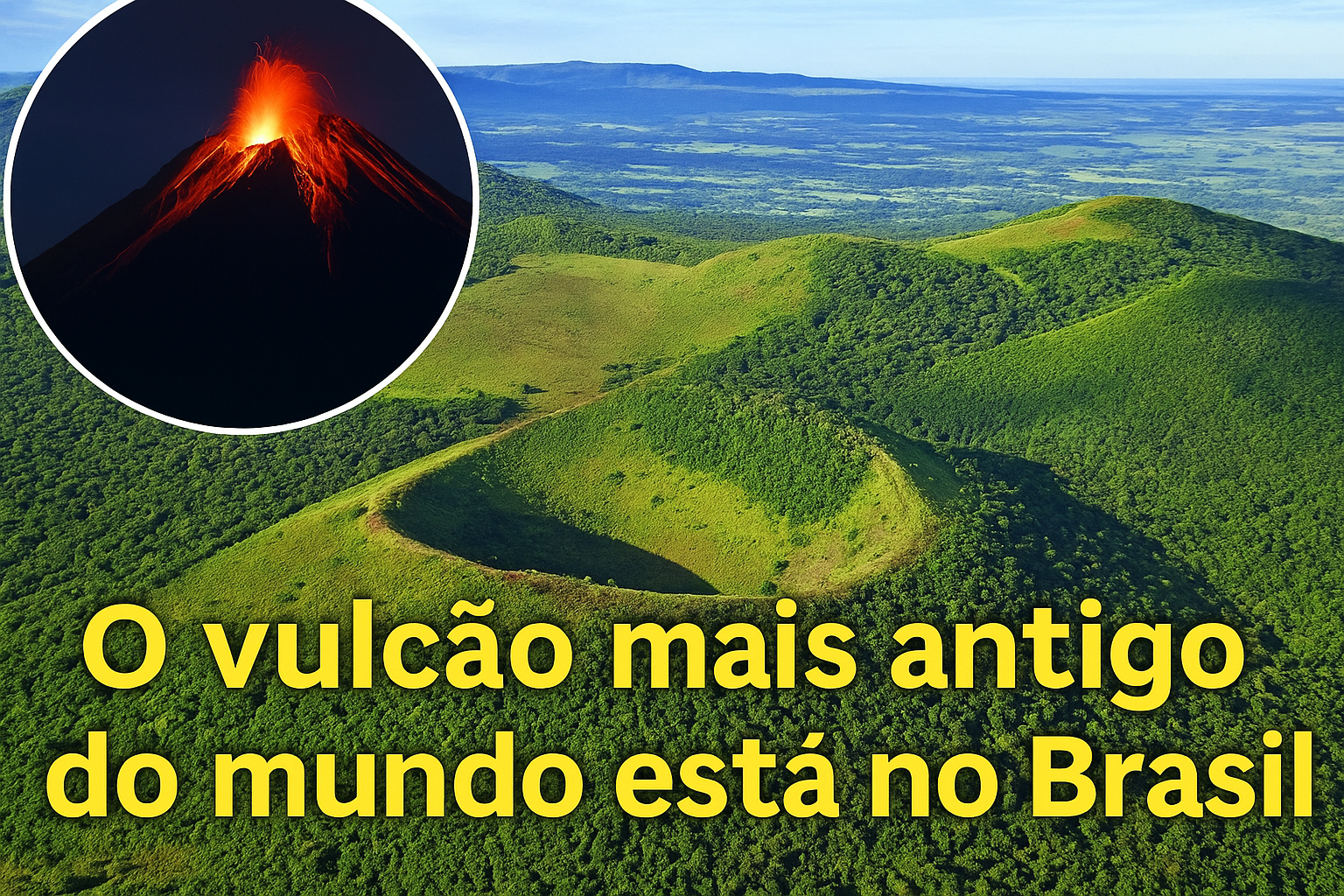


Brazilian Geology Surprises By Discovering That The Oldest Volcano In The World Is In Brazil. Learn How The Oldest Volcano On The Planet Was Discovered And Its Importance
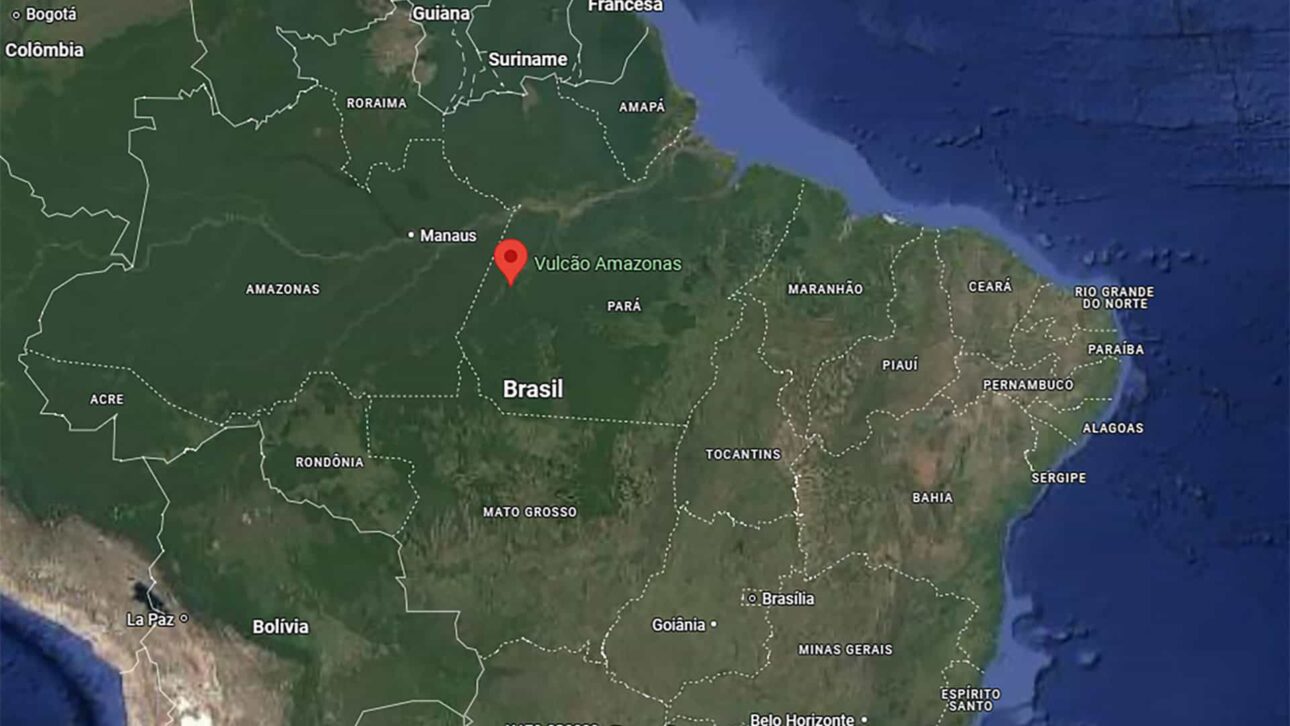
Few people know, but the oldest volcano in the world is in Brazil, more precisely in the Uatumã region, in the state of Pará. This fascinating discovery changed the way scientists understand the origin of volcanic formations on Earth. At an impressive 1.89 billion years old, the so-called Amazonas Volcano is a landmark in the geological history of the planet and reinforces the importance of Brazilian geology in the international scientific scene.
The find, considered one of the most significant geological discoveries of the last few decades, was confirmed through studies conducted by geologists from the Geological Service of Brazil (CPRM) in partnership with national universities. This ancient structure was camouflaged in the dense Amazon rainforest, making its identification even more challenging — and, therefore, little known to the general public.
Location And Characteristics Of The Oldest Volcano On The Planet
The Amazonas Volcano is located in Uatumã, a region of significance for Brazilian geology. The extinct structure has an estimated diameter of 22 km and its volcanic cone reached heights of 400 meters at the peak of its activity.
-
Off-Duty Firefighter Rescues Three Children Trapped Under Overturned Boat in Brazilian Lake

-
Workers near the Vatican uncover lead pipe revealing Emperor Caligula’s name and site of his opulent garden from nearly 2,000 years ago

-
Workers renovating a playground in northern England uncover 176 World War II bombs buried underground; training artifacts still contained explosives.

-
Brazilian Architect Transforms Waste into Sustainable Homes with Solar Power and Rainwater Systems for 40 Years




The volcano formed during the Paleoproterozoic era, when tectonic plates were in full rearrangement and continents like Gondwana did not yet exist. At that time, large volcanic eruptions shaped the Earth’s crust, and the volcano in Brazil is a rare and valuable record of this phase of planetary history.
The Scientific Importance Of The Oldest Volcano In The World
The confirmation that the oldest volcano on the planet is on Brazilian territory has profound implications for science. It contributes to the understanding of ancient magmatic processes and allows researchers to reconstruct the geological events that led to the formation of the first continental masses.

According to the studies conducted, the volcanic rocks in the region date back approximately 1.89 billion years, with margins of error below 10 million years — a remarkable degree of accuracy for this type of analysis. The technique used was uranium-lead (U-Pb) dating applied to zircon minerals preserved in rock outcrops.
This discovery also helps scientists better understand the distribution of mineral resources associated with ancient volcanism, such as tin, niobium, copper, and gold — all abundant in the region. Therefore, the oldest volcano in the world is not just a scientific curiosity but a strategic landmark for mining and natural resource research.
Brazilian Geology: A Heritage To Be Valued
The Brazilian territory possesses some of the oldest geological formations on the planet, such as the crystalline shields of the Amazon craton. The presence of a volcano nearly 2 billion years old reinforces this characteristic and highlights the role of Brazilian geology in understanding Earth’s evolution.
In addition to the Amazonas Volcano, Brazil is home to other rare and under-studied geological structures, many of which are hidden beneath dense forests or sedimentary layers. This includes other Paleoproterozoic volcanic formations found in the Iron Quadrangle (MG) and the Goiás Massif, which also hold records of the beginnings of life on Earth.
However, few Brazilians are aware of this natural wealth. The scarcity of accessible scientific dissemination contributes to the invisibility of topics like this, which should be part of the national imagination. Valuing geology also means preserving the history of the planet — and investing in education and science.
How Was The Discovery Of The Volcano In Brazil Made?
The study that revealed the oldest volcano in the world began in the mid-1990s when CPRM geologists noticed anomalies in the volcanic rocks of the Uatumã region. But it was only officially confirmed in 2002. During the analysis, they identified structures such as basalt columns and pyroclastic deposits indicating explosive eruptions and lava flows typical of ancient volcanoes.
With advancements in geochronology techniques and the use of high-resolution mass spectrometry equipment, it was possible to date the rocks with unprecedented accuracy. From then on, the hypothesis was confirmed: it was indeed a volcano older than any other known before.
The revelation was published in international scientific journals and validated by research centers in geosciences, such as the University of Brasília (UnB) and the Institute of Geosciences at USP.
Why Is The Oldest Volcano In The World In Brazil And No Longer Active?
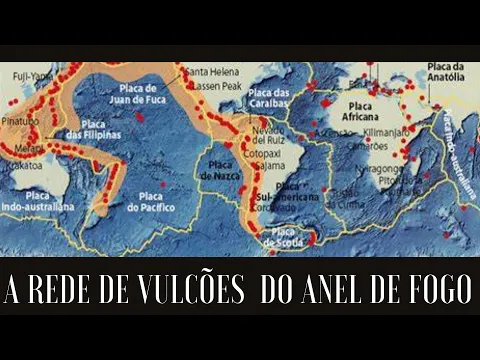
Unlike what occurs in the so-called “Ring Of Fire” in the Pacific — a region where tectonic plates remain active and cause frequent eruptions — Brazil is situated in a stable area of the Earth’s mantle, without significant geological faults. This explains why there is no active volcanism currently within national territory.
The oldest volcano in the world is in Brazil precisely because the tectonic stability of the region preserved its structures for nearly 2 billion years, without major geological or erosive interferences. It is a true mineral time capsule, with the potential to reveal much more about the origins of Earth.
Tourism And Educational Potential
Although still unexplored from a tourism perspective, the volcano in Brazil represents a unique opportunity for scientific ecotourism and environmental education. Guided visitation projects, educational trails, and interpretive centers could help disseminate this natural wealth, benefiting the local population and promoting area conservation.
The creation of a geological conservation unit (geopark) is a suggestion that has already been discussed among environmental agencies and universities. The proposal is to protect the geological heritage of the region and encourage knowledge production and sustainable tourism.
Knowing that the oldest volcano on the planet is in Brazil is a source of pride, but also of responsibility. This discovery reinforces the scientific value of Brazilian territory and the importance of investing in research, technology, and environmental preservation. Brazilian geology has much to offer the world, and recognizing the value of this knowledge is the first step in ensuring its continuity.
The oldest volcano in the world is not just a remnant of the past — it is a beacon that illuminates our scientific present and points the way for the future of science in Brazil. Valuing this type of discovery is essential for a society that wishes to develop in a sustainable, intelligent manner, and connected with its natural history.






Não Bahia,no município de Mirangaba,existe um morto em formato de vulcão, depois do distrito de taquarendi da pra ver o cone. Seria bom investigar.
No Ceará -Campos Sales temos indício que houve vulcão pois há larvas petrificada a qual chamamos de pozolana ou tufo vulcanico
Maravilhosa essa descoberta. Mais uma razão, para protegermos a Amazônia. O turismo sustentável tem que ser um objetivo Nacional.