Portuguese
  Spanish


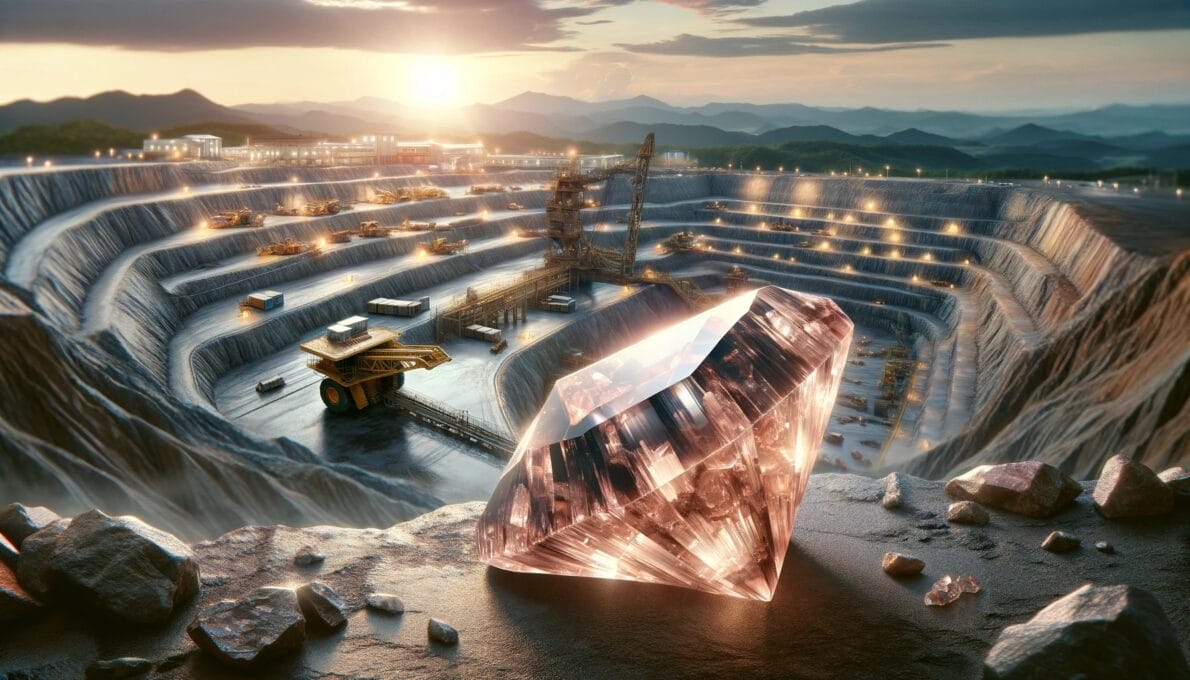


Do You Know The Rarest Mineral In The World? Called Kyawthuite Crystal, This Mineral Has Only One Example In The Whole World!
The Earth is a vast planet, where geological forces commonly form minerals in various locations. However, this is not the case with the Kyawthuite Crystal, the rarest mineral in the world. Among the more than six thousand minerals recognized by the International Mineralogical Association (IMA), kyawthuite is unique, with only one known specimen. This extreme rarity makes kyawthuite the most precious and singular mineral in the world.
Kyawthuite Crystal Was Recognized Only In 2015


Sapphire hunters found the Kyawthuite, the rarest mineral in the world only in the form of a single gemstone in the bed of a stream near Mogok, a city in Myanmar.
The IMA recognized it as a mineral in 2015. The scientific description of the kyawthuite crystal came only in 2017. Currently, the rarest mineral in the world is part of the collection of the Natural History Museum of Los Angeles County.
-
Facing a housing shortage, Hong Kong uses prefabricated concrete modules to construct a 12-story public building with the help of massive cranes and trucks.

-
Brazilian City Innovates Waste Collection with Underground Vacuum System
-
Amsterdam Repurposes Retired Boats and Plants to Restore Contaminated Industrial Land Instead of Removing All Polluted Soil
-
Copenhagen Builds 92 Homes Using Reclaimed Materials from Demolished Carlsberg Brewery, Highlighting Each Material’s Origin


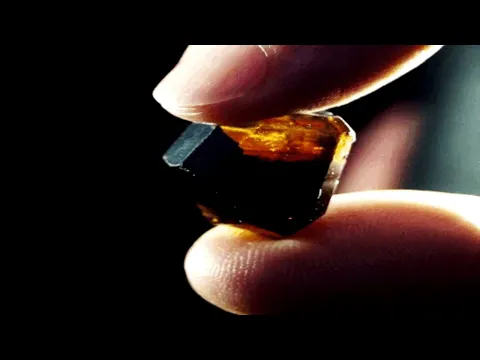
The Kyawthuite mineral is transparent, with an orange-red color. The only specimen weighs 1.61 carats (0.3 grams). Its chemical formula is Bi3+Sb5+O4, with traces of tantalum.
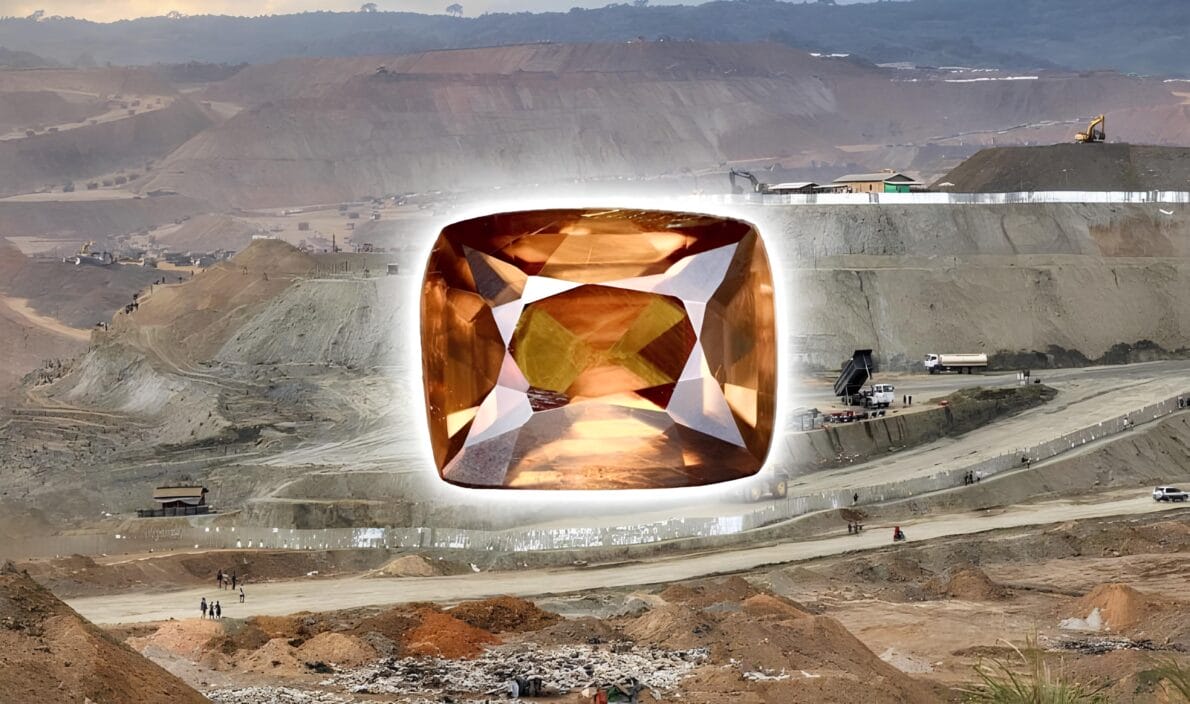
Both bismuth (Bi) and antimony (Sb) are rare metals, but not as much. There is much more bismuth in the Earth’s crust than gold, while antimony is more abundant than silver. Oxygen, in contrast, is the most abundant element in the crust. Thus, the rarity of the kyawthuite crystal comes from how it formed, not from the scarcity of its ingredients.
Bismuth is such a heavy element that the density of the kyawthuite mineral is over eight times that of water and double that of rubies, for comparison. Thus, the rarest mineral in the world is even smaller than its weight suggests.
Understand How The Rarest Mineral In The World Came About
The mineral database of the California Institute of Technology (Caltech) describes the structure as sheets shaped like a checkboard of parallel Sb5+O6 octahedra to Bi3+ atoms. It is the only bismuth-antimony oxide recognized and was named after Kyaw Thu, a former geologist from the University of Yangon, in Myanmar.
For curiosity, Myanmar is also the source of the second rarest mineral in the world: painite, a gemstone with only a handful of records.
In an interview with LiveScience, George Rossman, a professor at Caltech, attributed the large number of rare minerals in Myanmar, such as the kyawthuite crystal, to the pressure and heat produced when India collided with Asia. Although there exists a synthetic compound almost identical to the Kyawthuite mineral, the uniqueness of the natural specimen lies in its singular occurrence and natural formation.
Painite Is The Second Rarest Mineral In The World
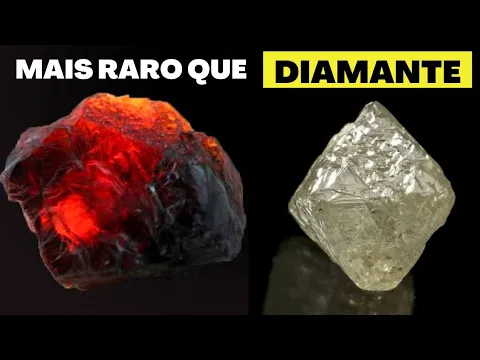
Ranking as the second rarest mineral in the world, painite is a rare and highly valued mineral that draws attention for its rarity and captivating beauty. It belongs to the borate mineral group and is known for its unique chemical composition, vibrant colors, and remarkable hardness. Painite is often considered one of the rarest gemstones on Earth, making it a coveted treasure among enthusiasts and collectors.
The history of this mineral begins with its accidental discovery in the early 50s. British gemologist and mineralogist Arthur Charles Davy Pain first found this mineral while examining samples from Myanmar. In ’57 he received a brown crystal, which he identified as spinel due to its similarity to that gemstone.
However, subsequent analyses revealed that this mineral was different from anything documented before. In honor of Pain’s contributions to mineralogy and his role in the discovery, the new mineral was named “Painite.”