Portuguese
  Spanish


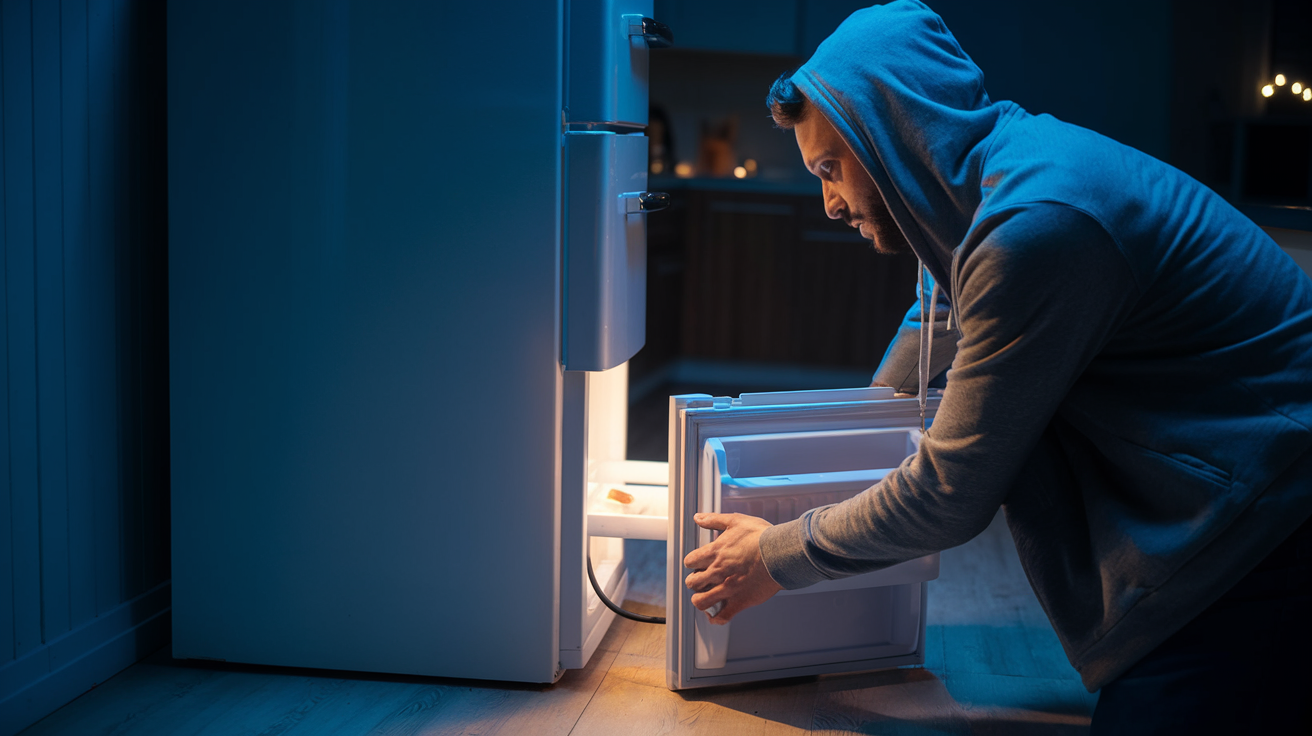


Does Turning Off The Fridge At Night Save Energy? Find Out What Happens When You Turn Off Your Fridge And If This Practice Really Generates Savings On Your Electric Bill!
The idea that turning off the fridge at night can reduce energy consumption seems logical at first glance. After all, if the appliance is not running, it won’t use electricity, which could result in savings on the electric bill. However, this question is more complex than it appears. In this article, we will understand the impacts of this practice on energy consumption, the durability of the appliance, and food preservation.
What Happens When The Fridge Is Turned Off At Night?
Generally, turning off the fridge at night may not only fail to reduce the electric bill but can also increase it. This happens because, when turned off, the appliance begins to lose internal temperature.
When it is turned back on, the motor needs to work at full power to cool the internal compartment again, which can consume more energy than if it were running continuously.
-
Former Atacadão Employee Turns Online Cake-Baking Lessons into a Confectionery Brand with Factory, Store, Delivery, and Nearly $400,000 in Revenue

-
Brazilian Startup Sells Nearly 9 Million Surprise Bags of Near-Expiry Food, Prevents Thousands of Tons of Waste, Aiming for $42 Million Revenue by 2026
-
How to Prevent Brown Recluse Spider Bites: Common Hiding Spots and Free Tips to Reduce Risks

-
Natto: The Unusual Japanese Superfood Gaining Popularity on Social Media and Driving Record Exports




Moreover, this extra effort can significantly reduce the lifespan of the compressor, one of the most expensive parts of the appliance.
Another issue is food preservation: when the fridge is turned off for many hours, perishable items such as dairy products, meats, and frozen foods can deteriorate quickly, leading to waste and extra costs for replacement.
When Might Turning Off The Fridge Be A Good Option?
There are specific situations where turning off the fridge may indeed represent savings. If you are traveling for an extended period and the fridge is empty, turning it off may be a viable alternative. However, it is essential to empty the appliance completely and leave it clean to avoid odors and mold.
For daily use, keeping the fridge on is always the best option to ensure food preservation and avoid unnecessary expenses due to increased energy consumption.
The Role Of Thermal Capacity In Energy Savings
A little-known fact is that fuller fridges consume less energy than empty ones. This is because the stored food helps maintain a stable internal temperature.
When the door is opened, the exchange of air with the external environment is less when the internal space is occupied by refrigerated items, reducing the need for the compressor to work.
A simple tip for those with few food items in the fridge is to keep containers with water inside the appliance. This helps maintain the internal temperature stable, reducing energy consumption.
Tips To Save Energy With The Fridge On
If the goal is to reduce electricity consumption without compromising the fridge’s operation, there are some efficient practices that can be adopted:
- Avoid Opening The Door Constantly – Every time the fridge is opened, warm air from the environment enters and forces the motor to work harder to restore the internal temperature.
- Check The Sealing Rubber – If the sealing is worn out, there may be a leakage of cold air, increasing energy consumption. This rubber can be easily replaced and found in hardware stores and e-commerce.
- Correctly Position The Fridge – The appliance should not be near heat sources, such as stoves, ovens, or areas with direct sunlight, as this causes it to work harder to maintain temperature.
- Adjust The Temperature According To The Weather – On cold days, the fridge’s temperature can be set to a lower cooling level, reducing energy consumption.
- Avoid Storing Hot Foods – Items that have just been cooked should cool down before being placed in the fridge, as heat forces the motor to work harder to cool the interior.
- Perform Preventive Maintenance – Fridges need periodic maintenance to ensure efficient operation. Cleaning the coils and checking the refrigeration system can help prevent energy waste.
The myth that turning off the fridge at night saves energy has been clarified: in most cases, this practice can result in even greater consumption, as well as compromising the durability of the appliance and food preservation.
The ideal is to adopt smart habits, such as maintaining the sealing in good condition, avoiding unnecessary door openings, and properly storing food. This way, it is possible to reduce your electric bill without compromising the efficiency of the appliance.
Source: TechTudo