Portuguese
  Spanish


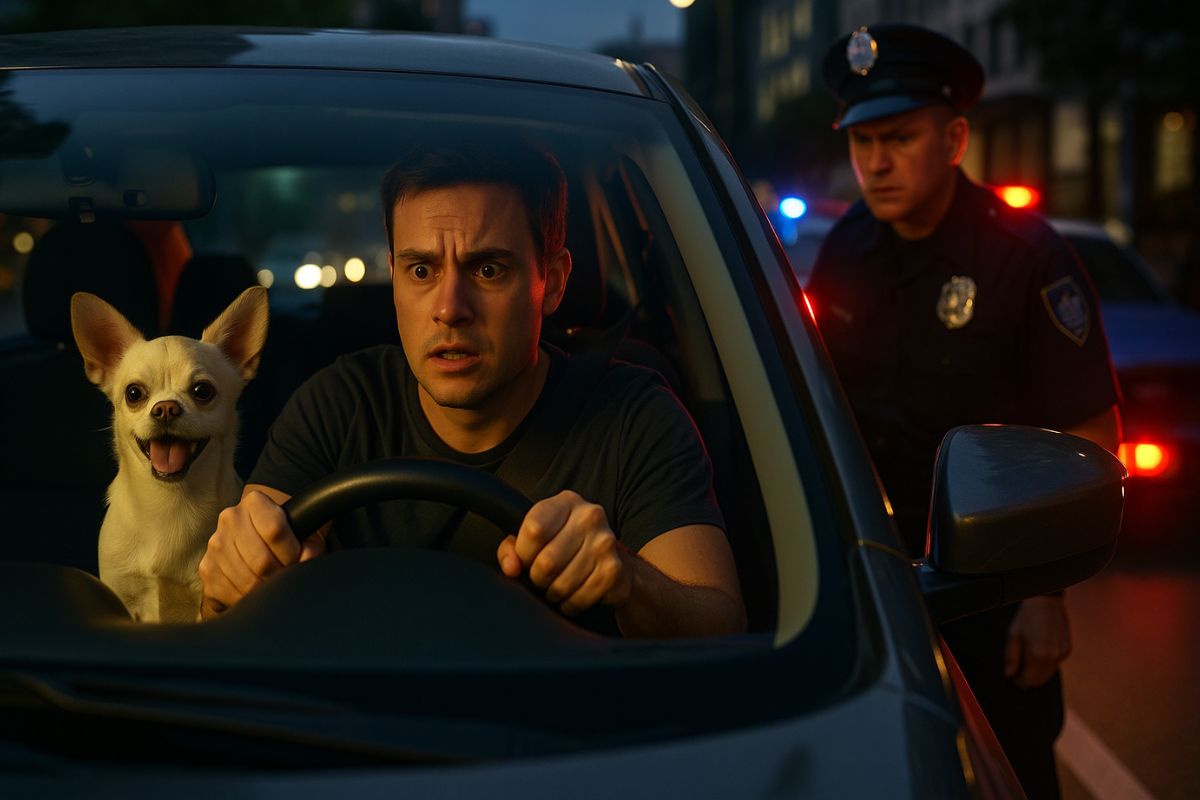


Traffic Code Prohibits Inadequate Transport and Recommends the Use of Proper Boxes or Seatbelts in the Back Seat
Taking a pet in the car is a common practice, but driving with animals in the front seat can pose serious risks to safety and finances. In addition to distracting the driver, the animal can be thrown forward in case of sudden braking or collision. Brazilian legislation is clear: transporting animals irregularly can result in fines and points on the driver’s license.
The Brazilian Traffic Code (CTB) considers it a medium infraction to keep animals loose in the cabin or on the driver’s lap. This practice puts the life of the driver, passengers, and the animal itself at risk. Therefore, traffic authorities and experts recommend using appropriate restraint devices, always in the back seat.
What the Law Says About Transporting Animals in the Car
According to Article 252 of the CTB, driving a vehicle with animals on the driver’s left or between their arms and legs is an infraction subject to a fine of R$ 130.16 and four points on the license. Article 235 provides penalties for those who drive with cargo (or animals) outside the required safety conditions.
-
How to Prevent Brown Recluse Spider Bites: Common Hiding Spots and Free Tips to Reduce Risks

-
Natto: The Unusual Japanese Superfood Gaining Popularity on Social Media and Driving Record Exports
-
Brazilian Mayor Goes Undercover as Homeless for 24 Hours to Assess Public Services

-
15-Year-Old Entrepreneur Malu Lira Publishes 20 Children’s Books on Financial Education, Earns $500,000, and Expands Her Project to the Amazon Rainforest




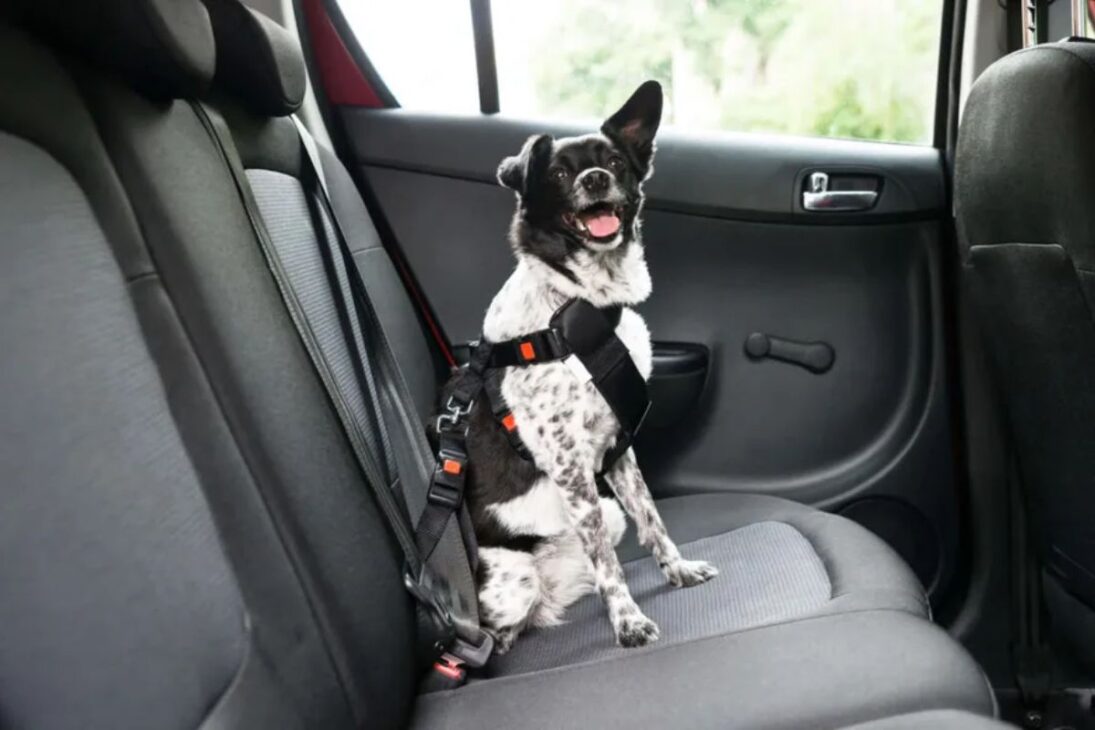
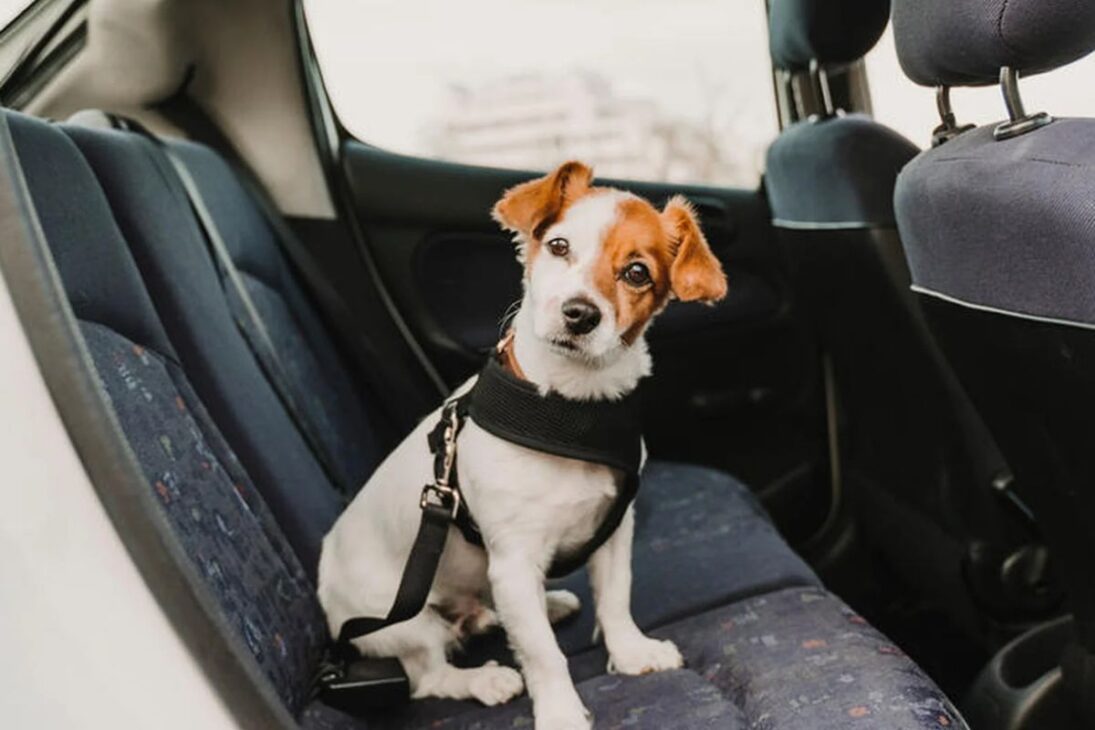
To stay within the law, the animal must be transported in a way that does not interfere with driving or obstruct visibility. The safest options include:
- Transport box secured with a seatbelt
- Safety harness adapted with a specific chest strap for pets
- Dividing grids between front and back seats
These devices reduce the risk of accidents and increase protection in case of impact.
Why the Front Seat Represents a Risk
In the front seat, the animal can:
- Distract the driver by trying to climb onto their lap or reach the dashboard
- Be thrown against the windshield in case of a collision
- Inadvertently activate the car’s controls
- Deploy the airbag, which can cause severe injuries to the pet
Furthermore, the impact of a loose animal during an accident is equivalent to a projectile weighing dozens of kilograms, depending on the vehicle’s speed. Even on short trips, safety should be a priority.
Back Seat: Safer and More Suitable
The back seat is the most suitable place to transport animals, as long as the pet is secured properly. Well-fastened transport boxes, harness seatbelts with locks, and protective nets help to minimize distractions and prevent dangerous movements during the journey.
The protection is not only for the animal but also for the other occupants. In an emergency, proper restraints facilitate rescue and prevent new risks.
Ignoring the Rule Can Be Costly
Disregarding animal transport regulations can lead to:
- Fines and points on the driver’s license
- Increased risk of accidents
- Stress and discomfort for the animal
- Difficulties in claiming car insurance in the event of a related incident
Additionally, negligence could be interpreted as neglect, especially if there are human or animal casualties in the accident.
And You, Have You Transported Your Pet Correctly in the Car?
Do you usually take your pet in the front seat or use the right equipment? Have you encountered issues with enforcement or risky situations on the road? Share your experience in the comments; your insight can help other drivers avoid mistakes.