






 Portuguese
  Spanish



The Central Bank of Brazil Made an Announcement That Shook the Financial Market: the Creation of the Country’s First Official Digital Currency, Called Drex.
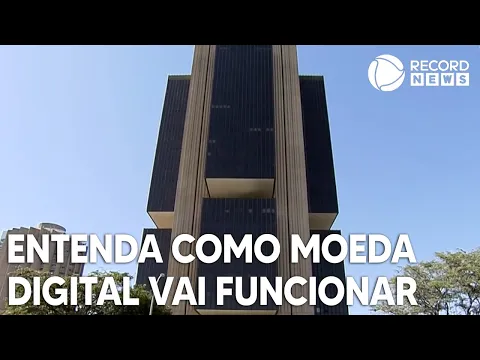

The expectation is that the Drex, a more modern version of Pix, will start circulating next year and bring significant changes to the way we conduct transactions.
Mauro Hostling, an economics professor at FGV, clarifies that the main difference between Drex and cryptocurrencies like Bitcoin is volatility. While cryptocurrencies are subject to acute fluctuations in their value, Drex will have a more stable value in relation to the real, making it less prone to speculation.
Another difference is that Drex will be issued and guaranteed by the Central Bank of Brazil, providing greater stability. This contrasts with cryptocurrencies like Bitcoin, which do not have any Central Bank backing them.
-
Coca-Cola Shuts Down 100-Year-Old Factory in the U.S., Impacting 85 Workers and Shaking Local Community with Historic Consequences

-
Bianca Andrade Invests $30 Million of Her Own Money in Boca Rosa, Launches Over 100 Products in a Year, Aiming for $400 Million by 2026
-
Belo Horizonte Becomes First Brazilian City to Fund Housing, Utilities for 100 Homeless Families with $900,000 Initiative
-
Brazilian Joins Homeownership Consortium, Faces Decade of Dual Payments Totaling $141,000, Surpassing Traditional Mortgage


Drex and the Future of Financial Transactions
However, Hostling believes that initially, Drex will be restricted to high-value transactions, mainly being used by banks. It is not expected that individuals will deal with this currency at first.
The professor also notes that the use of physical cash has been declining with the rise of digital transfer methods, such as Pix and credit cards. The introduction of Drex could further accelerate this trend.
There are still many questions to be answered about Drex, but one thing is certain: it represents a significant step in the digitalization of the Brazilian economy. As we approach the launch of Drex, it will be interesting to see how it is received by the market and what impact it will have on the Brazilian economy.
For more information about Drex and other financial market news, continue following our website. And remember: information is the key to making smart financial decisions.





Be the first to react!