






 Portuguese
  Spanish


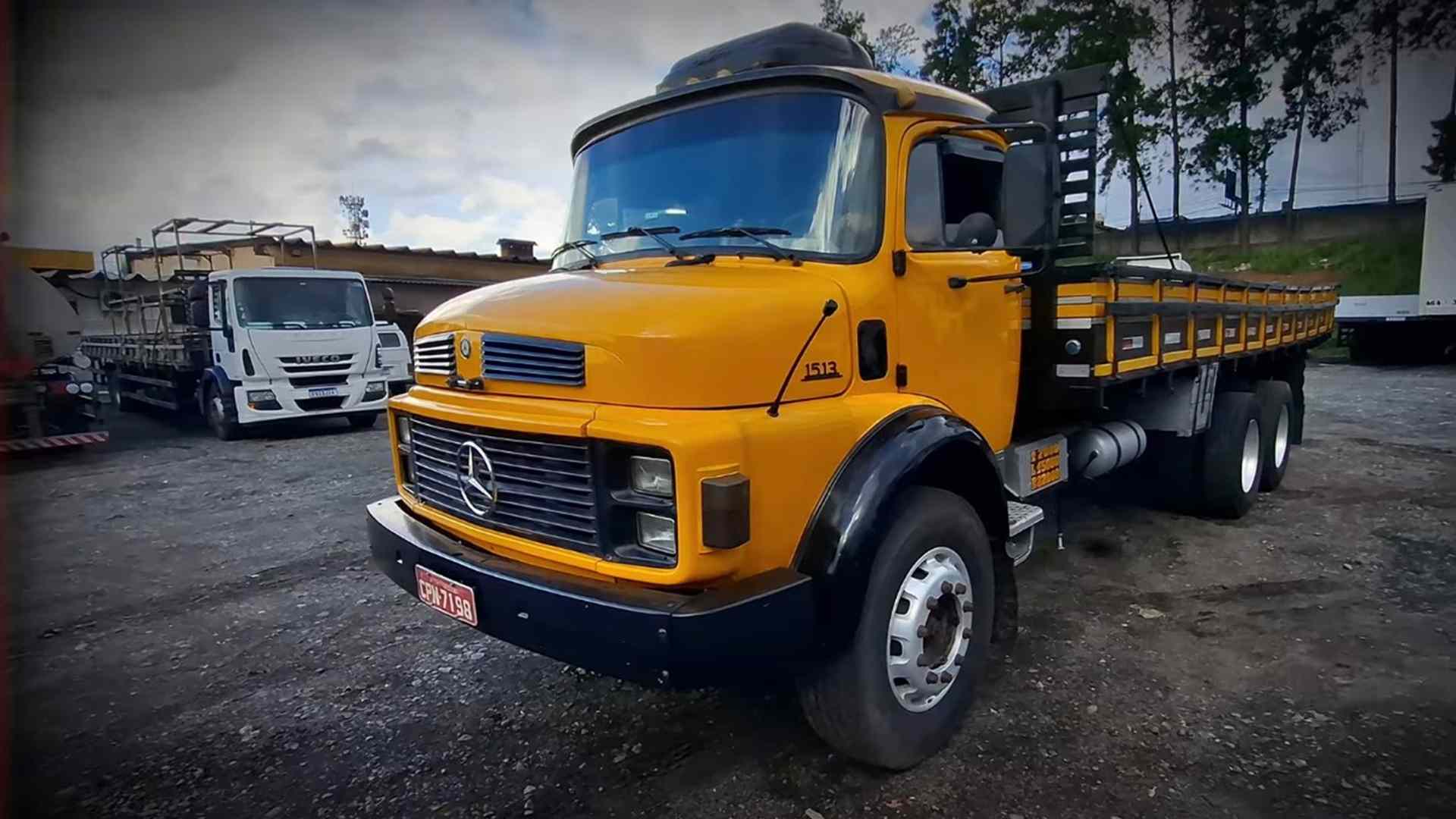


Roberto Challenges Modern Logic By Completing 1,015 Trips Between São Paulo And Belém With His 46-Year-Old Yellow Truck, Totaling An Impressive 6.09 Million Kilometers Driven And Proving That Careful Maintenance Overcomes Obsolescence
The Driver Roberto Ferreira de Souza, 73, Has Been Actively Operating With the Same Truck for 46 Years. The Report From The Channel Vida de Estradeiro Details the Logistical Transition from Fixed Contracts to the Spot Market and the Preservation of Classic Mechanics in Today’s Road Freight Transport Scenario.
Preservation of Mechanical Asset and Ownership History
The Journey Documented By Journalist Jaime Alves From The Channel Vida de Estradeiro Highlights the Longevity of the Bond Between the Driver and His Equipment. Roberto Has Owned The Yellow Vehicle for Almost Five Decades. The Maintenance of Ownership for 46 Years Contradicts the Common Turnover in Corporate Fleets.
The Truck Has Not Been Replaced by Newer Models During This Period. The Owner Chose to Undertake Continuous Repairs and Maintenance to Ensure Operability. The Strategy Aims to Preserve the Reliability of a Mechanical Set Already Fully Understood by the Driver Over Technological Innovation.
-
Seen from space, an astronaut captures in Canada a geometric carpet of crops drawn over the backdrop of a ghost lake that disappeared 12,000 years ago, was once larger than all the Great Lakes combined, and left a scar of fertile mud that still sustains agriculture.

-
Billionaire says the most valuable skill will help overcome job elimination caused by AI, following Bill Gates’ fears

-
A Dutchman created a ‘box’ that makes trees grow in the desert almost without water and without irrigation: the invention has already brought seedlings to dozens of countries and achieves up to 90% survival where common planting did not exceed 10%.

-
Abandoned warehouse hid a giant collection of rare computers, with over 2,000 artifacts from the 1930s to the 1980s.




The Decision Not to Sell the Asset Is Based on Technical and Emotional Criteria. Roberto States That the “Heart Speaks Louder” When Considering Selling the Vehicle. The Connection With The Machine Transcends Commercial Utility, Representing The Professional’s Life Story on Brazilian Roads.
The Technical Knowledge Accumulated About The Truck Allows for Accurate Diagnoses. The Driver Identifies Mechanical Anomalies Through Specific Noises or Vibrations.
This Expertise Reduces Dependence on Third-Party Repair Services and Minimizes Unpaid Downtime During Long-Distance Trips.
The Resistance to Fleet Modernization Reflects a Choice for Autonomy. Newer Vehicles, While More Efficient, Have Electronic Systems That Limit The Driver’s Manual Intervention. Roberto Prefers Traditional Mechanics Where He Has Full Control Over The Operation and Necessary Emergency Repairs on The Highway.
Professional Origins and Sociological Context of The Activity
Roberto’s Entry into The Transportation Sector Came About Through Observing The Logistical Routine. The Interest Arose During Visits to The Cereal Zone, In The Brás Neighborhood of São Paulo. He Worked in External Roles and Witnessed The Arrival of Trucks from Various Regions of The Country.
The Aesthetic of Life on The Road Captured The Attention of The Then Young Professional. The Image of Drivers Washing Their Faces in The Spouts of Service Stations and Preparing Meals Next to Their Vehicles Generated Admiration. There Was A Perception of Freedom and Robustness in Those Figures Crossing The National Territory.
Family Influence Also Played A Significant Role in The Career Decision. Roberto’s Father Had Connections With The World of Heavy Vehicles. This Supportive Home Environment Facilitated The Transition from Bureaucratic Activities to The Control of The Wheel and Life on The Road.
The Acquisition of The Yellow Truck Marked The Definitive Start of This Professional Journey. Since Then, The Vehicle Has Become The Central Axis of The Family’s Economic Activity. The Stability Provided By The Work in Transport Allowed for Sustenance and Personal Development Over The Last Four And A Half Decades.
Contractual Stability and The Palm Heart Route
Roberto’s Career Has Been Marked By A Long Period of Financial Predictability. For 26 Years, The Trucker Maintained A Dedicated Service Contract. The Main Client Was A Palm Heart Factory, Requiring Regular Transportation of Goods on Long-Distance Routes.
The Operation Was Concentrated On The Route Towards Belém In Pará. The Regularity of The Trips Allowed For Solid Financial Planning and The Strict Preventive Maintenance of The Truck.
The Outbound Freight Guaranteed The Main Income, Turning The Return Into Additional Profit Margin or Cost Coverage.
This Phase Represented The Peak of Operational Stability For The Self-Employed. The Long-Lasting Commercial Relationship Eliminated The Need For Daily Freight Agencies. The Driver Knew The Deadlines, The Road Conditions, And The Shipper’s Requirements, Optimizing Travel Time And Reducing Wear.
The Business Model Based On Fixed Clients Protected Roberto From Market Fluctuations. While The Sector Faced Variations in Diesel Prices, The Long-Term Contract Offered Adjustment Mechanisms Or Predictability.
The Security of This Partnership Was The Foundation of The Operation For Over Two Decades.
By Operating The Route Between São Paulo And Belém, The Trucker Made The Trip Exactly 1,015 Times. Considering That The Round Trip Totals About 6,000 Kilometers, The Yellow Vehicle Reached The Historic Mark of 6.09 Million Kilometers Driven Just In This Specific Operation, A Mileage Volume That Attests To The Mechanical Durability of The Equipment and The Physical Resilience of The Driver.
Economic Break and Migration to The Spot Market
The Stability Scenario Experienced A Drastic Change In 2015. The Palm Heart Factory Closed Its Operations, Ending The Contract That Sustained Roberto’s Operation.
The Closure of The Production Unit Forced An Immediate Restructuring of The Trucker’s Work Logic.
Roberto Describes The Event As A Financially Critical Moment. The Expression Used, “It Broke His Legs A Little”, Summarizes The Impact of The Loss of Recurring Revenue. The Driver Was Forced to Enter The Spot Market, Characterized By The Hiring of Standalone Freights Without Guarantee of Continuity.
The Transition To The Open Market Exposed The Operation to Price Volatility. Competition With Large Transport Companies And Other Self-Employed Drivers Pressured Profit Margins. Freight Prices Did Not Always Match The Inflation of Basic Inputs Such As Fuel, Tires, And Tolls.
Cost Management Became Stricter After 2015. Without The Guarantee of Return Cargos Or Fixed Routes, Each Trip Requires A Detailed Viability Calculation. The Old Truck, Although Paid Off, Consumes Resources in Maintenance That Need To Be Covered by Freight, Often Depreciated.
The Adaptation To The New Reality Required Resilience From The Veteran Professional. Staying In The Activity, Even In The Face Of Adverse Conditions, Demonstrates The Ability To Adjust. Roberto Continues To Seek Loads And Negotiate Prices In An Aggressive And Less Favorable Commercial Environment For The Traditional Self-Employed.
Transformations in Social Relations and Road Safety
The Report From Vida de Estradeiro Addresses The Deterioration of Social Interaction On Highways. Roberto Reports A Significant Behavioral Change Among Colleagues in The Profession. The Camaraderie, Frequent In Past Decades, Has Given Way To Isolation And Mutual Distrust During Trips.
Offering Help in Case of Mechanical Failures Has Become Rare On Today’s Roads. In The Past, The Stopping of A Truck On The Shoulder Would Mobilize Other Drivers to Provide Assistance. Today, Most Drivers Ignore Colleagues With Problems, Focused On Meeting Strict Schedules and Delivery Goals.
The Increase in Violence On Highways Is Cited As A Central Factor For This Distancing. The Fear of Robberies And Criminal Approaches Discourages Interaction With Strangers. The Truck’s Cabin, Once Open to Sharing Experiences, Has Become A Closed Bunker For The Driver’s Protection.
Satellite Tracking Technology Has Also Impacted Social Dynamics. Companies Monitor Each Unscheduled Stop, Requiring Immediate Justifications. This Excessive Control Eliminates The Time Available For Traditional Coffee Breaks And Conversations At Service Stations.
The Ritual of “Bóia”, The Collective Preparation of Meals in The Cooking Box, Is On The Verge of Extinction. The Moment of Fellowship, Where Stories Were Shared, Has Been Replaced By Quick And Solitary Meals. Technology Has Connected Logistics But Fragmented The Human Community Operating The System.
Operational Risks and The Perspective of Continuity
Exposure to The Dangers of Traffic Is A Constant In A 46-Year Routine. Roberto Remembers A Specific Incident Involving A Motorcyclist On The Highway. The Event Highlights The Legal And Emotional Vulnerability To Which Heavy Vehicle Drivers Are Subjected Daily.
The Collision Created Immediate Tension Regarding Responsibility For The Accident. In Many Situations, The Trucker Is Presumed Guilty Due To The Size of The Vehicle. However, Witnesses Present On-Site Intervened In Roberto’s Favor, Exonerating Him From Recklessness In Driving The Yellow Truck.
The Very Victim of The Accident Acknowledged The Dynamics of The Facts, Avoiding Injustice. The Episode Reinforced The Need For Increased Attention And The Importance of Defensive Driving. For Roberto, Divine Protection Is An Essential Component For Survival In An Environment As Hostile As Road Traffic.
Despite The Risks And Economic Difficulties, Retirement Is Not In Immediate Plans. At 73, Roberto Maintains The Willingness To Work. Physical Vitality And Mental Clarity Allow For The Continued Safe And Efficient Operation of The Cargo Vehicle.
The Refusal To Stop Reflects A Fusion of Identity Between The Man And The Profession. The Truck Is Seen As An Extension Of The Body And Home Of The Driver. Stopping The Activity Would Mean The End Of A Vital Cycle That Defines The Existence Of Roberto.
The Future Is Faced Day By Day, With The Diesel Engine Running. As Long As There Is Demand For Transportation And The Yellow Truck Responds To Commands, The Journey Continues. Roberto’s Story And His Vehicle Remain A Living Testimony To The Classic Era of Brazilian Transportation.






Ótima reportagem. Digna dos velhos jornalistas. Muito bem escrita. Deu ênfase na história do caminhoneiro sem o usual sensacionalismo dos repórteres atuais. Por mais matérias assim! A imprensa brasileira está carente de conteúdos com esta qualidade.
Mercedes Benz podia recompensar o Caminhoneiro reformando o caminhão **** ou dando caminhão novo para ele.
Sr. ROBERTO , lenda de itaquaquecetuba S.P – parabéns amigo!