Portuguese
  Spanish


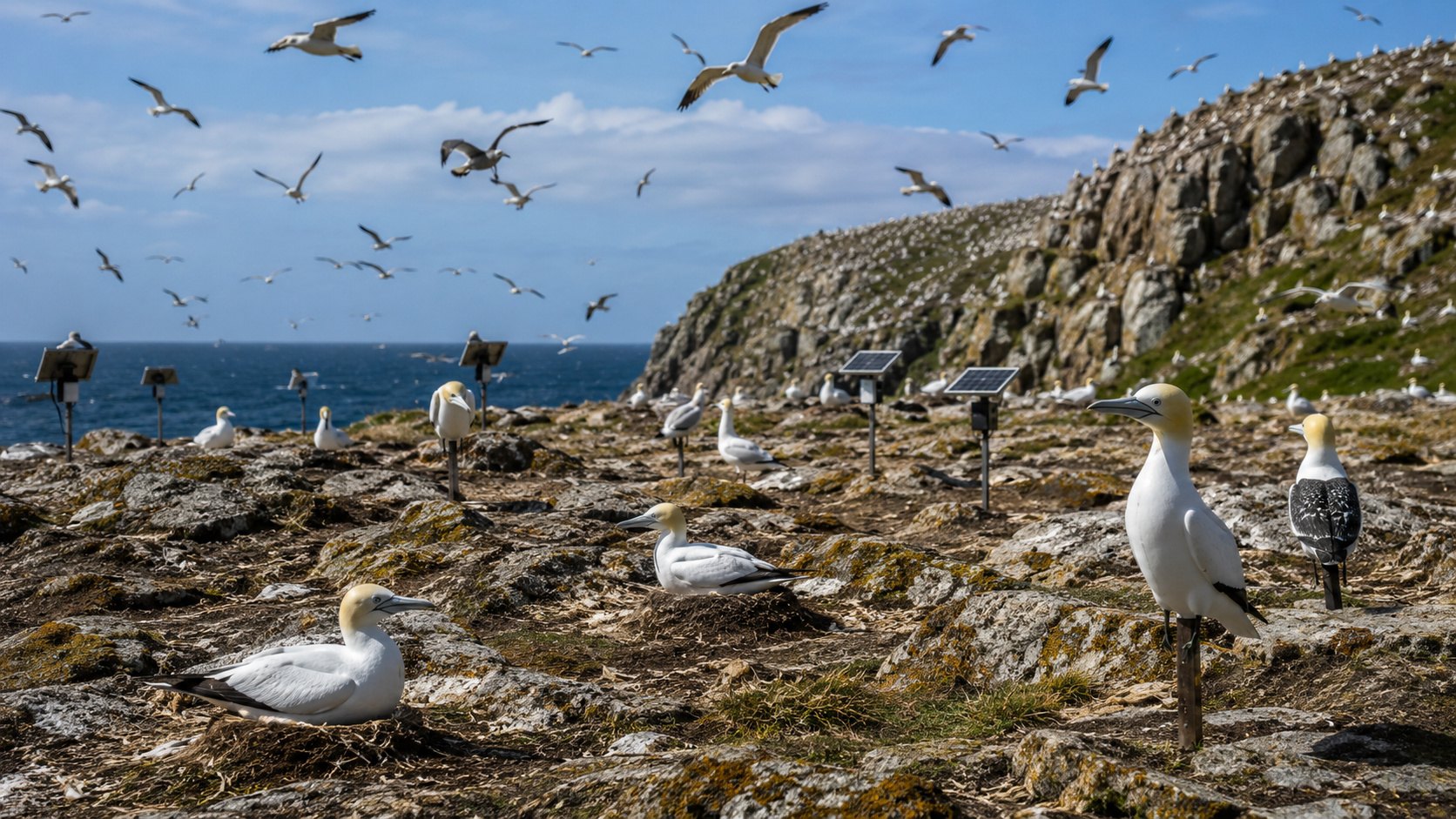

Desecheo, island of Puerto Rico, has once again attracted seabirds with social attraction, decoys, and audio after the removal of invasive rats and monkeys.
The small island of Desecheo, about 13 miles off the west coast of Puerto Rico, was for decades one of the most dramatic scenes of ecological collapse on Caribbean islands. According to the management plan of the U.S. Fish and Wildlife Service, the site was once one of the main seabird nurseries in the region but lost much of this role after the introduction of invasive mammals and other human pressures.
After a long restoration operation, the island was declared free of invasive mammals in 2017. The next step, however, was even more unusual: using the technique of social attraction, with bird models, mirrors, recorded sound, and automatic cameras, to convince species that had disappeared from there to return to nest safely.
Desecheo was once one of the largest seabird refuges in the Caribbean
According to the U.S. Fish and Wildlife Service, Desecheo once hosted a colony of more than 15,000 brown boobies during the 1927 breeding season. The same document also records about 2,000 red-footed boobies, 2,000 brown noddies, 1,500 bridled terns, as well as frigatebirds and gulls in significant numbers in the early decades of the 20th century.
-
She spent 73 years breathing inside an iron lung, survived the aftereffects of polio, and became the last woman in the United States dependent on the equipment before dying at 78 years old.

-
Brazilian students created a $1 filter using pine bark, cotton, and 3D-printed parts to clean cassava wastewater, reduce the toxicity of a hazardous waste, and transform contaminated water into biofertilizer.

-
Astronaut from Artemis II steps down after mission to the Moon and decision surprises after a record of 406,771 km, a historic 10-day journey, and an unprecedented achievement for Canada.

-
A fossil kept for years in a small museum in Montreal concealed 450-million-year-old soft tissue, a discovery that has only happened once before in history.


The refuge’s own conservation plan shows the extent of the decline. In surveys from 2009, no seabirds were observed nesting on the island, and only very limited signs of reproduction reappeared in subsequent years in coastal areas and nearby islets.
The island also bears a difficult history outside the biological field. According to the U.S. Fish and Wildlife Service, public access remains prohibited due to unexploded ordnance and other environmental hazards, a legacy of its military use in past decades.
Rats, monkeys, and other invaders dismantled an entire island ecosystem
Desecheo evolved as a fragile island environment, without native terrestrial mammalian predators. Therefore, the arrival of invasive species had a devastating effect on ground-nesting birds, in crevices and burrows, without natural defenses against this type of threat.
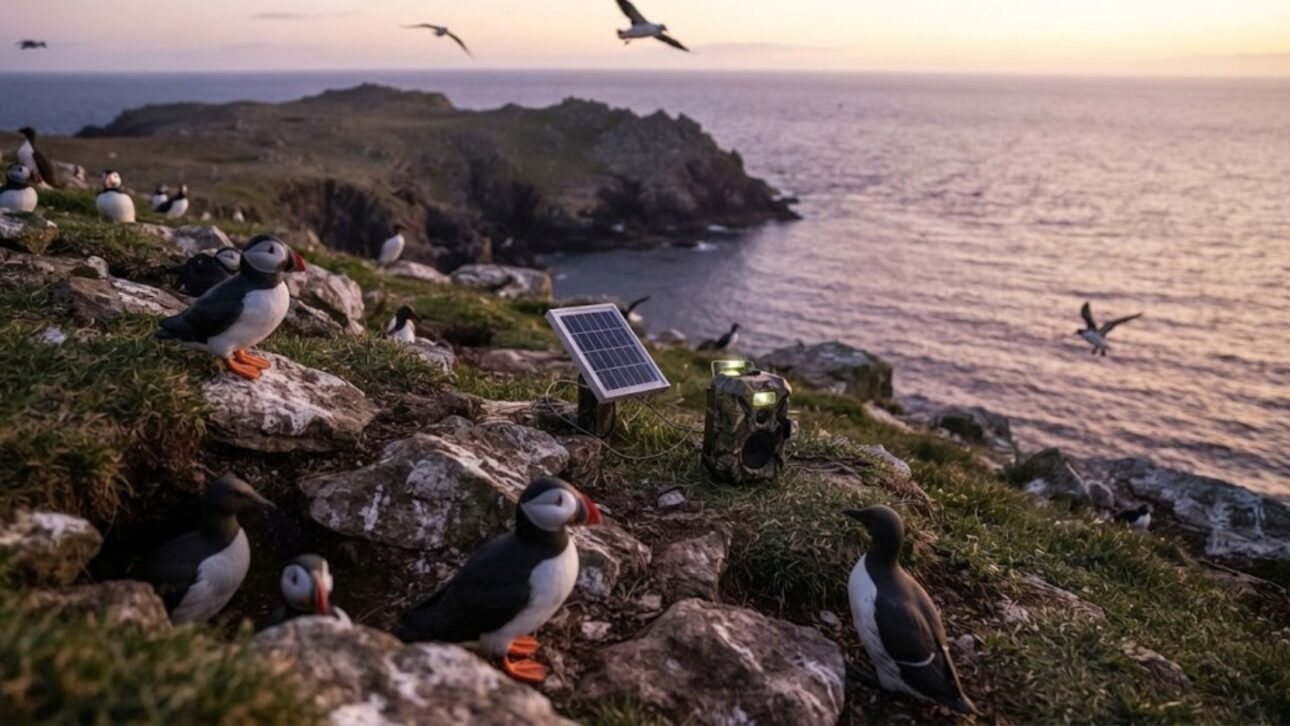
According to Island Conservation, the island was occupied over time by rats, goats, feral cats, and rhesus monkeys, the latter introduced in the 1970s. The U.S. Fish and Wildlife Service reports that the combination of invasive mammals and human disturbances led to the disappearance of five of the seven known breeding populations of seabirds on Desecheo.
The impact was not limited to birds. The refuge plan states that the island is home to three endemic lizards, while federal documents and Island Conservation point to the recovery of the threatened Higo Chumbo cactus, a species that also suffered from degradation caused by the invaders.
The island cleanup took years and ended with the eradication of invasive mammals
The restoration of Desecheo did not happen all at once. According to the database associated with the study on social attraction, the major conservation interventions on the island included the eradication of goats, rhesus monkeys, and rats between 1976 and 2016, in a long and technically complex process.

Island Conservation reported that the work mobilized the U.S. Fish and Wildlife Service, the organization itself, and other partners over more than a decade. In 2017, the island was finally considered free of invasive species, paving the way for the recovery of seabirds, native reptiles, and the Higo Chumbo.
Even after eradication, the restoration was not treated as a completed mission. Recent documents from the U.S. Fish and Wildlife Service record that the island began to operate with biosecurity measures and continuous surveillance to reduce the risk of reinvasion, a critical point in any restored island ecosystem.
Fake birds, mirrors, and recorded sound became the most creative restoration weapon
With the island safe again, conservationists needed to solve another problem: the birds did not automatically return. According to Island Conservation and the study’s dataset on the project, the answer was the technique of social attraction, which uses visual and auditory cues to simulate the presence of an active colony.
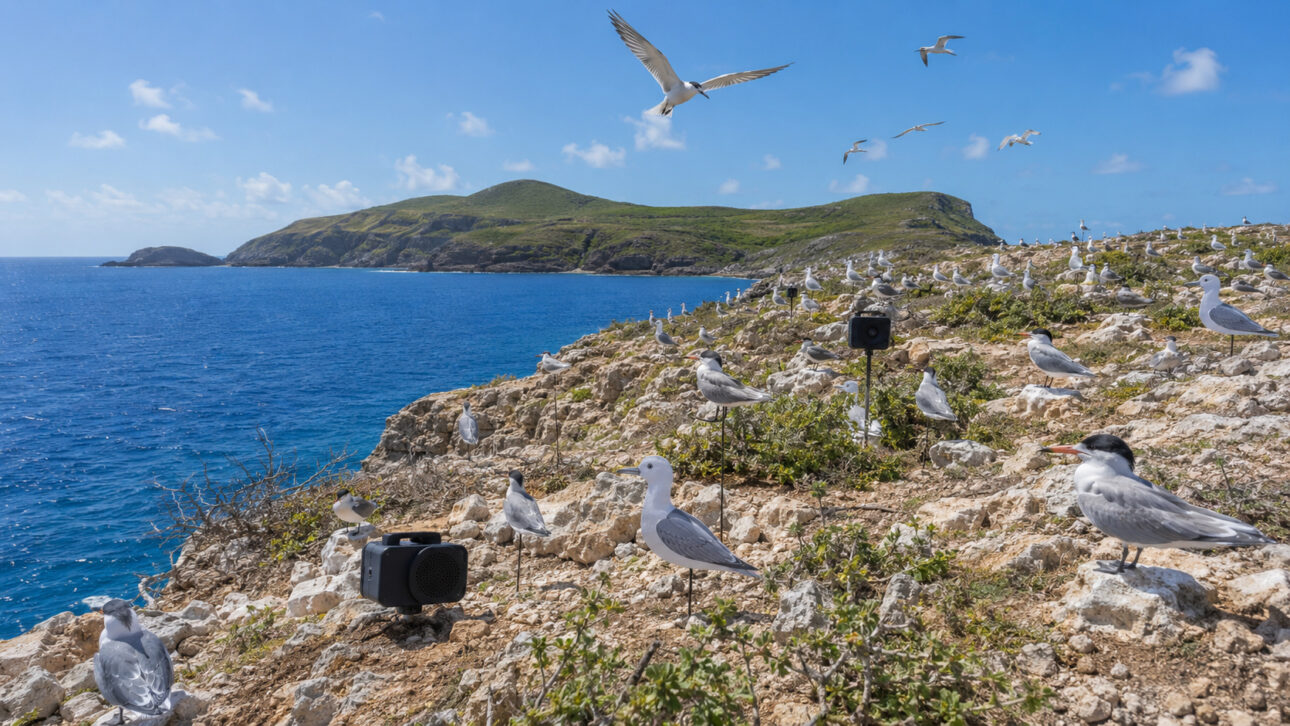
In February 2018, the team installed 30 bridled tern decoys, 18 brown noddy decoys, mirrors, and sound systems at strategic points on the island. The study reports that the speakers played sounds for 12 hours every 24 hours, and motion-sensor cameras were positioned to capture the birds’ reactions.
The system was set up with a high level of detail. According to the study’s database, the equipment included solar panels, an amplifier, batteries, external speakers, and cameras pointed directly at the attraction sites, allowing continuous monitoring of visits, landings, and return attempts.
The trick worked and the return of the birds began to be recorded
The first signs appeared quickly. According to Island Conservation, just one year after the island was declared free of invaders, there were concrete signs of recovery, with the first record of Audubon’s shearwater in Desecheo and the discovery of new bridled tern nests.
The monitoring study reinforced this result with more precise data. During two years of implementation and monitoring, researchers documented seven bridled tern nests, with two of them next to a decoy colony.
The same work recorded the attraction of one Audubon’s shearwater in 2018 and two in 2019, described as the first record of the species on the island.
Not all species responded at the same pace. The same dataset reports that despite the effort with brown noddys, no visits or nests of this species were detected during the analyzed period. Still, the authors classified social attraction in Desecheo as a viable action to help in the recolonization of seabirds.
The recovery already reaches plants, reptiles, and the ecological structure of the island
The restoration of Desecheo has not only benefited birds. Island Conservation reported a visible increase in the threatened Higo Chumbo, while recent documents from the U.S. Fish and Wildlife Service indicate habitat improvement and recovery of native species after the removal of invasive mammals.
Endemic reptiles have also been added to the list of beneficiaries. The refuge plan and more recent federal documents highlight that the island has a high degree of herpetological endemism, with three endemic species of lizards that have faced less ecological pressure after the elimination of invasive predators and herbivores.
The case of Desecheo gained international significance precisely because it shows that removing invaders is only part of the restoration. On highly degraded islands, the return of fauna may also depend on active strategies to rebuild nesting behavior and restore ecological confidence to species that have spent generations avoiding that habitat.
Desecheo became an example that island conservation requires removal, surveillance, and ecological engineering
The project in Puerto Rico became a reference because it combined three fronts simultaneously: eradication of invaders, permanent biosecurity, and the use of social attraction to reactivate seabird colonies. Instead of waiting for nature to simply “reorganize,” conservationists created conditions to accelerate the return of key species to one of the most important refuges in the Caribbean.
The result does not mean that recovery is complete. Keeping the island free of new invaders remains an essential part of the work, and the full recomposition of an island ecosystem occurs over many years.
Even so, Desecheo has ceased to be just a symbol of ecological collapse and has become concrete proof that restoration can work when science, monitoring, and persistence operate together.