






 Portuguese
  Spanish


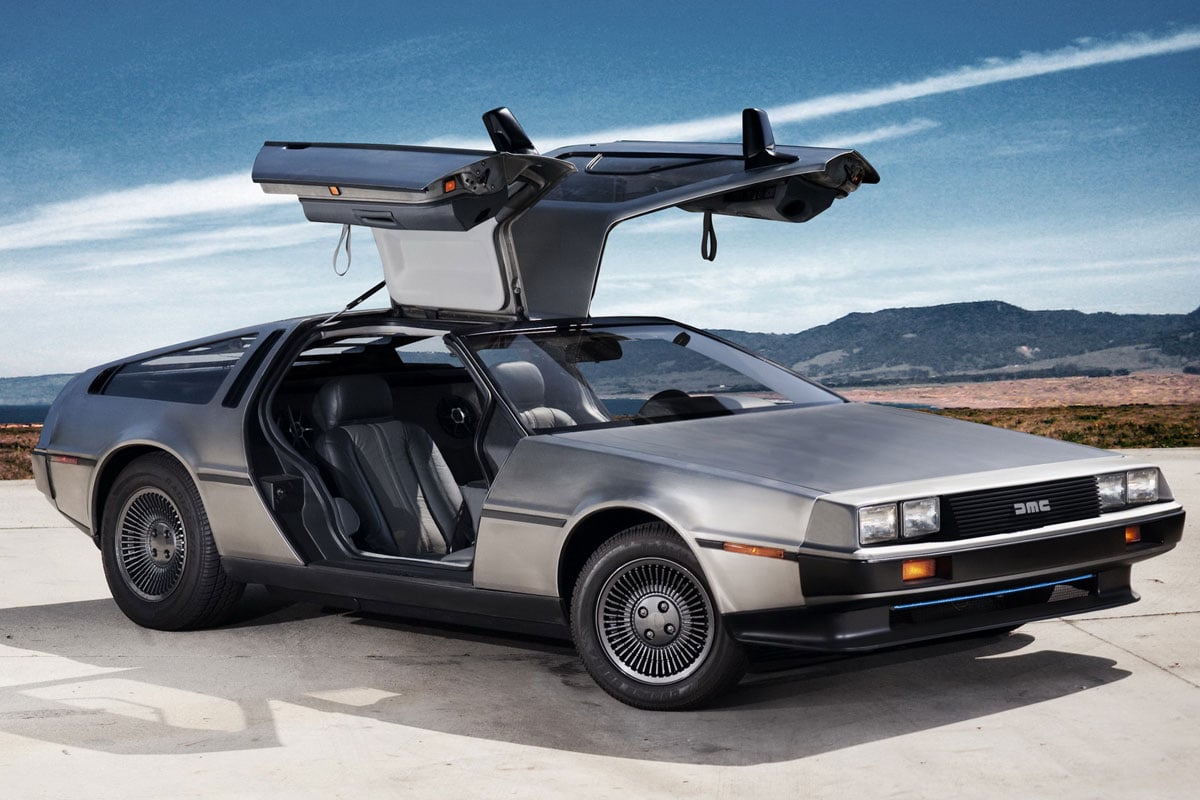


From Commercial Failure to Global Legend: The DeLorean DMC-12 Sold Only 9,000 Units, but Became an Eternal Icon Thanks to Back to the Future.
In the early 1980s, the automotive market was experiencing a wave of experimentation and boldness. It was in this context that the DeLorean DMC-12 emerged, a sports car with bold design, gullwing doors, and a brushed stainless steel body. Conceived by John DeLorean, a former executive at General Motors, the model promised to revolutionize the industry.
However, reality was very different. Between 1981 and 1983, just over 9,000 units were produced. Mechanical issues, poor management, high production costs, and underperformance relative to its futuristic look turned the DeLorean into a resounding commercial failure.
The Design That Caught the World’s Attention
Despite its market failures, the DeLorean captured glances wherever it went. Its straight lines, paint-free stainless steel body, and iconic upward-opening doors gave the impression of a science fiction car.
-
2027 Toyota Corolla Cross Unveiled: New Design, Enhanced Fuel Efficiency, Reduced Maintenance Costs, Advanced Technology, Connected Services, and Up to 10-Year Warranty

-
Fiat Cronos Precision 2018: Affordable Sedan with Spacious Trunk and Reliable Maintenance
-
Volkswagen to Cut Production by 1 Million Cars by 2030, Reducing Jobs and Platforms, Focusing on More Profitable Models

-
Toyota Launches First 100% Electric Car in Brazil: bZ4X with 343 HP, All-Wheel Drive, 361 km Range, Priced at $419,990 BRL, Limited to 99 Units



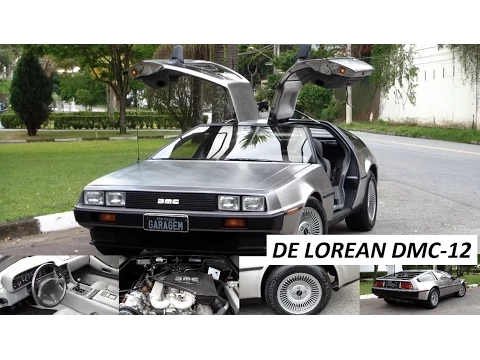

Designed by Giorgetto Giugiaro, one of the most famous designers in automotive history, the DMC-12 seemed ahead of its time.
But under the hood, the 130 hp V6 engine did not deliver the performance that its look promised. The disappointment with the performance drove away enthusiasts who expected a true sports car.
The Failure of the DeLorean Motor Company
John DeLorean believed his car would be an immediate success. However, the company faced exorbitant costs, production delays, and criticism from the automotive press. The poor quality of the first batches further worsened the situation.
In 1982, the company collapsed financially. John DeLorean became involved in a drug trafficking scandal to try to raise funds, which irreparably tarnished the brand’s reputation. Thus, the DMC-12 became a symbol of a frustrated dream in the automotive industry.
The Unexpected Resurrection on the Big Screen
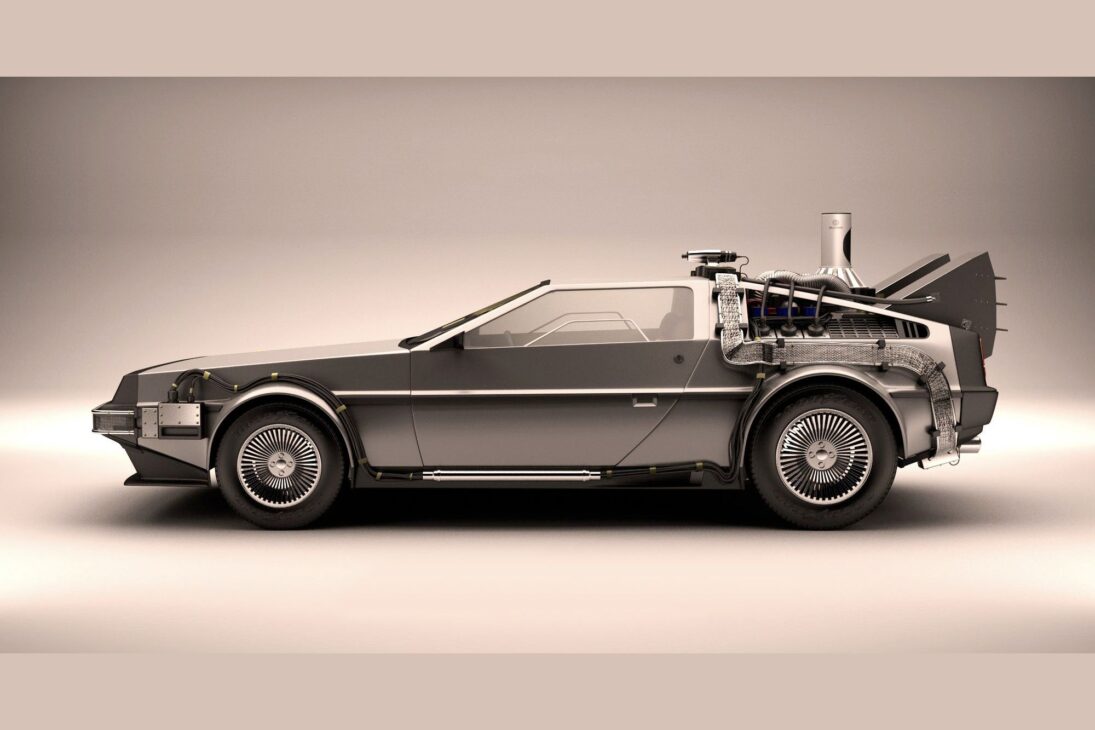
Everything could have ended there. But in 1985, the DeLorean DMC-12 got a second chance. Director Robert Zemeckis and screenwriter Bob Gale chose the car as the time machine in the film Back to the Future.
The choice was not by chance: its futuristic look perfectly matched the idea of a bold invention created by the eccentric Dr. Emmett Brown. In the script, Marty McFly and Doc Brown traveled through time aboard a DeLorean, and the car became an essential part of the plot.
The film’s thunderous success turned the DMC-12 into an immortal cultural icon.
From Failure to Global Myth
After the release of the Back to the Future trilogy, the DeLorean ceased to be just a problematic car of the 80s to become a globally recognized pop symbol. From collectors to movie fans, the demand for the model unexpectedly surged.
Today, well-preserved examples can be worth much more than their original prices, and specialized workshops continue to offer maintenance and even complete rebuilds to keep the legend alive.
Facts That Reinforce the Legend
- Only 9,000 units were produced, making the model extremely rare.
- The stainless steel body means that many examples have withstood the test of time without significant rust.
- The car has been relaunched in limited editions by independent companies, leveraging the mystique created by the films.
- The DeLorean appears in museums, movie conventions, and even scientific events, always associated with the idea of the future.
The DeLorean proved that a car doesn’t need to be a commercial success to become eternal. Although it failed as a product, it gained new life in popular culture, inspiring generations and becoming one of the most recognizable machines in cinema.
More than just a vehicle, the DMC-12 became a symbol of nostalgia and imagination, reminding the world that some failures can transform into immortal glories when they intersect with the right moment in history.








