






 Portuguese
  Spanish


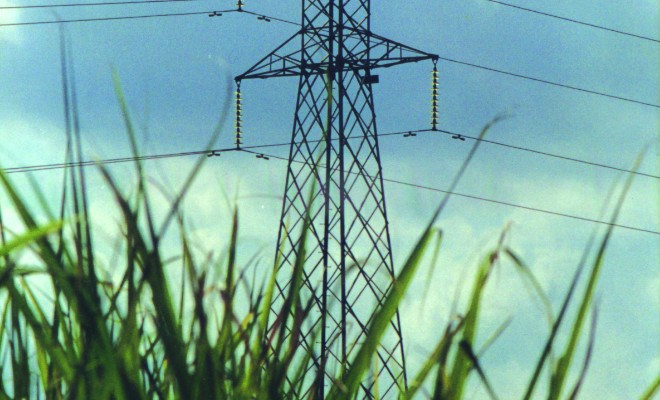

In Addition to Electricity, Sugarcane Plants Produce Sweeteners and the Main Source of Biofuel That Powers Flexible Vehicles
The electricity generated by sugarcane plants draws attention due to the volume produced. By 2020, the electricity supplied by sugarcane fields met 18.5% of residential consumption. When all sectors (residential, industrial, and commercial) are involved, the share is 5%. In addition to producing electricity, sugarcane provides raw materials for sweeteners and is the principal biofuel for flexible vehicles.
Also See Other News Today:
Electricity Generation:
In quantity, the total generation produced by sugarcane plants is 27,426 gigawatt-hours, enough to meet 11.7 million households. According to data from the National Electric System Operator (ONS), hydroelectric power still leads electricity production in the country, accounting for 77% of total electricity generation.
Bioelectricity has significant room for development. Unica – the Largest Representative Organization of the Sugar and Ethanol Sector in Brazil – highlighted that considering energy generation in 2020, it accounts for only 11% of the sugarcane power generation potential in the grid.
-
Researchers Turn Discarded Mango Pits into Hydrogel That Absorbs 400% of Its Weight in Water, Offering Agricultural Solution for Droughts and Waste Reuse

-
Flower strips in Brazilian farms become pest control strategy, attracting predator insects and reducing the need for chemical pesticides.

-
Brazilian Startup Turns Coffee Grounds into Plant-Based Leather, Cutting Water Use by Over 50 Times for High-Impact Sustainable Fashion
-
Yara acquires Texas ammonia plant for $1.3 billion, boosting global fertilizer competition with 1.3 million tons annual capacity


Carbon Dioxide Emission:
The bioelectricity paradigm goes beyond. An example of this is that electricity generation in 2020 avoided around 6.3 million tons of carbon dioxide (CO2) emissions. According to Zilmar de Souza, bioelectricity manager at Unica, this mark could only be achieved with the planting of 44 million native trees over 20 years.
Another example: during the harvest in factories in the central-southern region of the country, 83% of the energy generation from sugarcane was supplied between May and November. For the Brazilian electric sector, this period is the most critical, as it is responsible for displacing expensive thermal plants and conserving water in hydroelectric reservoirs.








