






 Portuguese
  Spanish



After Nine Years Of Promises, Elon Musk Acknowledges That Tesla Cars Sold Since 2016 Will Not Have Fully Autonomous Driving Guaranteed. Drivers Who Trusted The Promise Now Face Extra Costs For Hardware Updates.
If there’s one thing Elon Musk knows how to do, besides revolutionizing industries, it’s creating gigantic expectations. Since 2016, he assured that all Tesla cars would have the necessary hardware to run with fully autonomous driving in the future. Well, the future is here… and that promise has not been fulfilled.
After nine years of expectation, Musk finally admitted that the reality is different. Drivers who believed this promise and bought their Teslas expecting this free update will have to deal with a serious problem: the cars do not have what is needed to run the most advanced version of the system. And anyone who wants the new autonomous driving features will have to pay – and it’s not a small amount.
The Great Promise Of Tesla And The Dream Of Autonomous Driving
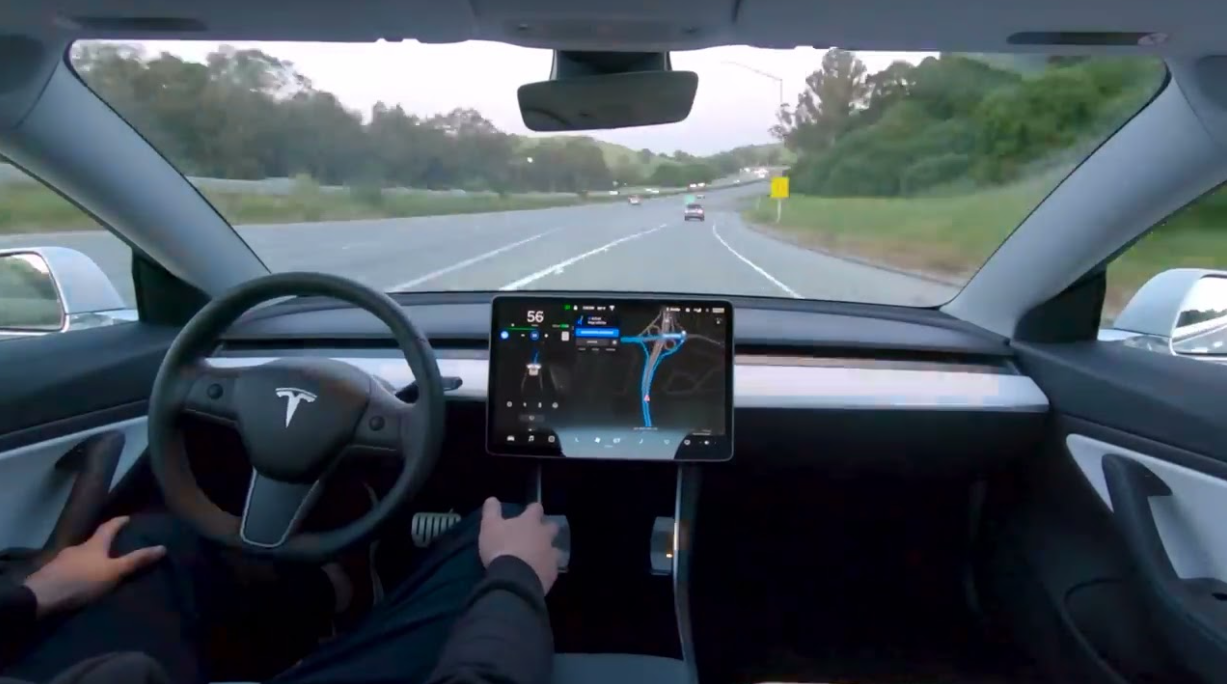
Back in 2016, Tesla made a huge fuss: all cars from the brand henceforth would have the capability for autonomous driving. This meant that in the future, Tesla owners would only need to make a software update to transform their vehicles into true robotaxis.
-
China Develops Custom 140-Ton Electric Mining Truck with 770 kWh Swappable Battery, Deploys 290 Units in Xinjiang’s Largest Zinc Mine

-
Meta to Launch Arena, a New Prediction App Targeting 3.56 Billion Users, Competing with Polymarket and Kalshi

-
Scientist Challenges Famous Human Evolution Theory, Argues Homo Sapiens Evolved Gradually Over Thousands of Years
-
15-Year-Old American Builds Ocean Generator with PVC Pipe and 3D-Printed Propeller for $12, Wins National Prize, Presents at White House, and Makes Forbes 30 Under 30 List




The idea was brilliant and fit perfectly with the company’s vision. Tesla has always insisted that it could make money not just by selling cars, but also by offering services through software. Just imagine: you buy a car, and years later it simply becomes autonomous without needing any parts replaced? That would be revolutionary.
The FSD: Between Expectations And Reality
Tesla gave a catchy name to its autonomous driving technology: Full Self-Driving (FSD). The name, of course, sparked controversy because the truth is, to this day, FSD still requires the driver to remain alert and ready to intervene at any moment.
This led many people to accuse Elon Musk’s company of false advertising. Ford and Mercedes, for example, launched systems that in some situations even allow the driver to take their hands off the wheel, something Tesla has not yet managed to deliver.
Even so, Musk has never stopped selling the idea that FSD was the future – and that Tesla owners were just waiting for the right moment to have this technology at their fingertips.
The Hardware Problem
The big problem with all this is that to deliver a truly autonomous driving system, Elon Musk’s Tesla would need powerful hardware sufficient to process all the information from the road in real time.
However, the original hardware in the 2016 cars couldn’t handle it. In 2019, Tesla had to launch HW3, a more powerful processor, and offer a free swap for Tesla owners who had bet on FSD.
Then, in 2023, the company took another step and announced HW4, even more advanced. And now comes the tricky part: cars with HW3 simply will not have the capability to run the newer versions of autonomous driving.
In other words, drivers who bought a Tesla believing their car was “ready for the future” are now discovering that it’s not quite that way.
Elon Musk Backtracks And Admits That Tesla Will Not Fulfill The Original Promise
And that is when Elon Musk had to admit reality. In October 2024, he made it clear that cars equipped with HW3 will not be able to run the most advanced version of autonomous driving.
The justification? The new system requires much more computing power than HW3 can offer. According to Musk, it could be possible to attempt to adapt the software, but the effort would be enormous, and there is no guarantee that the result would be safe enough.
Musk announced that only the customers who purchased the FSD in advance will be entitled to the free update for HW4. Those who did not purchase it back then and wanted to subscribe to FSD later will have to pay out of pocket to have the hardware upgraded.






