






 Portuguese
  Spanish
  3 min of reading
  2 comments





In 2025, the Mercosur Standard License Plate Remains the Official Model in Brazil, but Without Immediate Obligation. Drivers Only Need to Change in Cases of Transfer, Change of City, or Damage to the Old Plate
The vehicle identification plate in the Mercosur standard has been part of Brazilian reality for over five years, but even in 2025, it still raises doubts and speculation among drivers.
After all, is there any concrete change this year? Will it be mandatory for all vehicles still using the old gray model?
The answer is simple: the Mercosur plate remains the official standard, but the replacement is not automatic or immediate. What exists, in practice, are specific situations that require replacement and specific adjustments determined by the National Traffic Council (Contran).
What Remains Valid and When Replacement Is Required
According to Contran, the basis of the vehicle identification system (PIV) remains the same. This means that the old gray plates remain valid and the driver does not need to change them if there is no legal reason.
-
Detran RJ starts requiring a toxicological test for those obtaining their first driver’s license in the car and motorcycle category starting June 29; see who will be affected.

-
Florida takes TikTok to court and accuses the Chinese giant ByteDance of ignoring the law that bars minors under 14, while parents and authorities demand more protection for children on social networks.
-
Chamber approves constitutional amendment reducing the age of criminal responsibility from 18 to 16 years; what now?

-
Justice confirms that old debts in tax executions that have been stalled for more than 15 years can no longer be collected through judicial or administrative means.


Replacement becomes mandatory only in three cases:
- When there is a transfer of ownership of the vehicle;
- If the owner changes municipality;
- Or if the old plate is damaged, stolen, or lost.
In any other scenario, the vehicle can continue to operate with the gray plate without risk of being fined.
The important thing is to keep the licensing and registration updated, adhering to the rules of the local Detran.
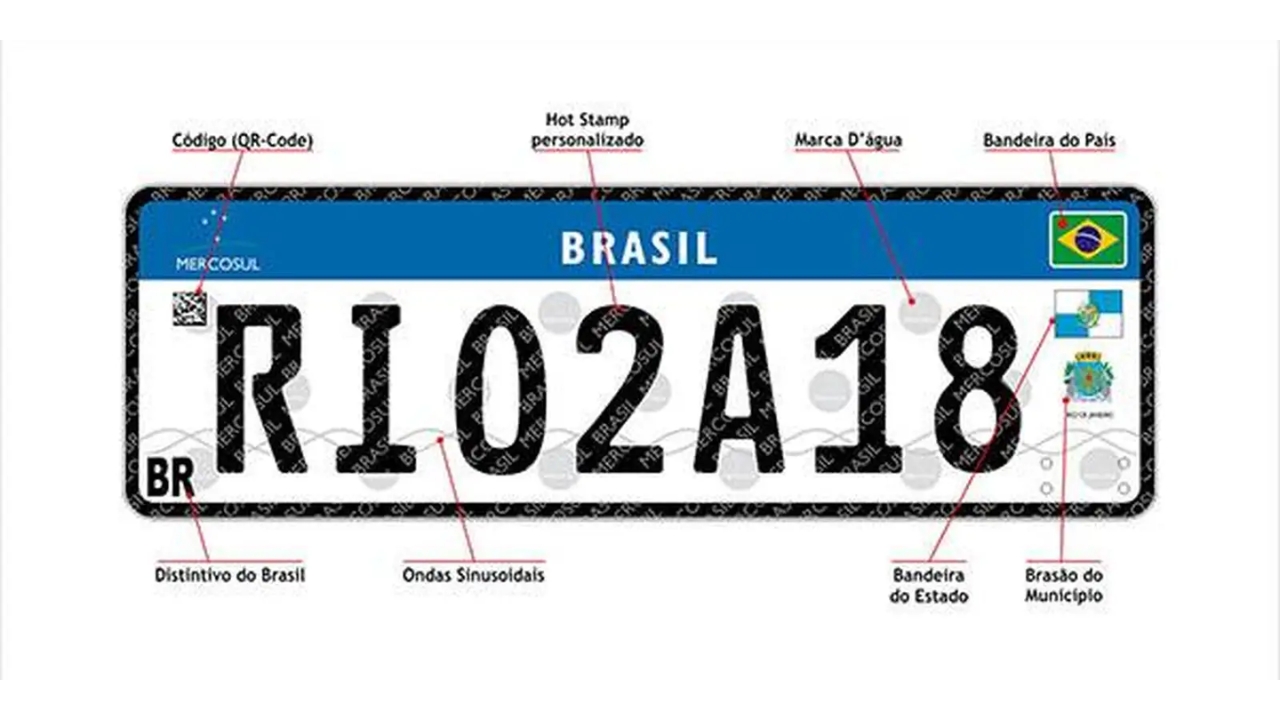
Prices Vary According to the State
Another point that creates confusion among drivers is the cost of the new Mercosur plate, which varies according to the region and type of vehicle.
Data collected in the first quarter of 2025 indicates that the cost can range from R$ 138.24 to over R$ 225.25, depending on the state.
The price includes printing and installation performed by companies accredited by the state Detrans. In some municipalities, additional service fees may also be charged, raising the final amount.
Are There Changes in 2025?
Despite rumors on social media, there is no national determination mandating the immediate replacement of all plates.
What is happening is a gradual expansion of the Mercosur system, which is already required for new vehicles and in all cases of re-registration.
In other words: those who buy a brand-new car in 2025 will leave the dealership with the new plate, while those who have a vehicle with a gray plate can continue using it until one of the stipulated replacement situations occurs.
In summary, 2025 does not bring a “general replacement” for the Mercosur standard, but reinforces the definitive transition to the system, consolidating the model that visually unifies vehicle identifications among the countries in the bloc.
The Importance of Following State Regulations
Each Brazilian state may adopt complementary regulations regarding the issuance and deadlines for replacement. Therefore, drivers should pay attention to announcements from their local Detran.
Ignoring these rules can lead to issues during inspections, licensing impediments, or even fines.
The Mercosur standard was created to standardize the registration system among Brazil, Argentina, Uruguay, and Paraguay, facilitating identification and reducing fraud.
Even without drastic changes this year, the trend is for the model to become universal for all Brazilian vehicles over the coming years.








Roubalheira quando uma placa de moto para trocar fica em R$ 360 ,00 em São Paulo
Muito mais, considerando todas as despesas: laudo, transferência (doc novo), preço da placa, taxa de emplac. Isso sem contar despachante se for o caso.