






 Portuguese
  Spanish
  6 min of reading
  0 comments


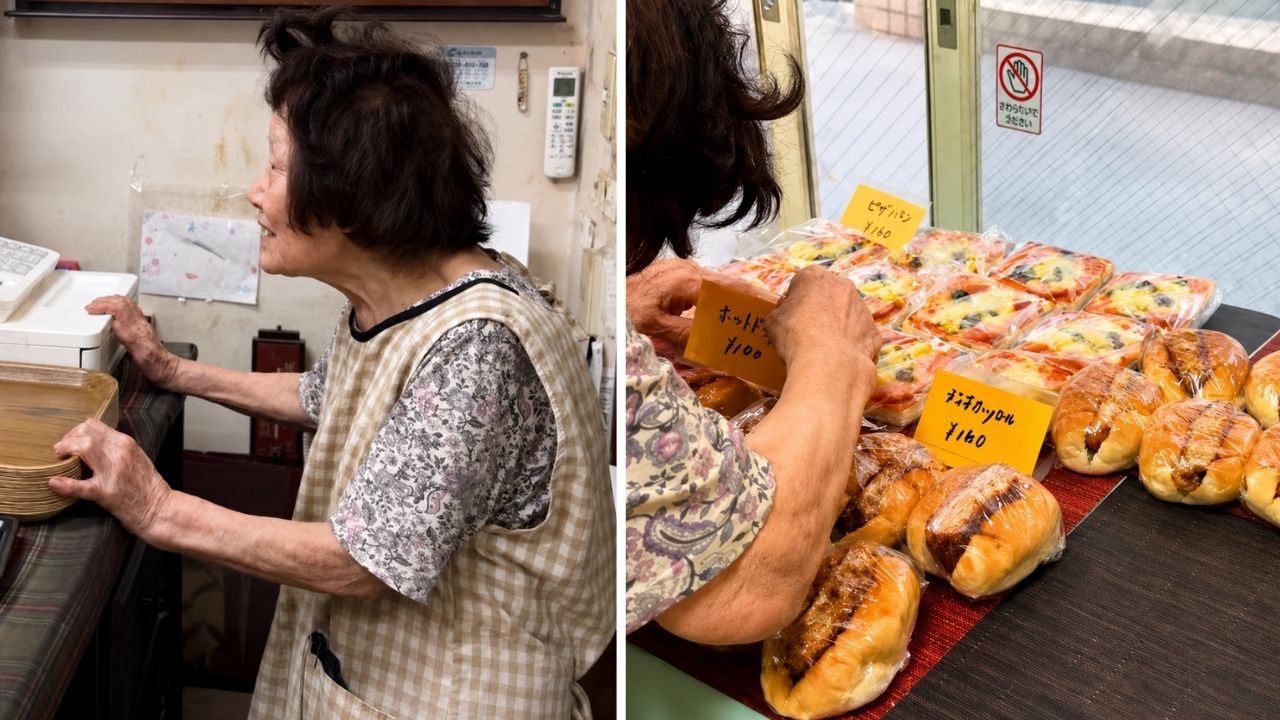
The family bakery in Fukuoka, Japan, shows an 84-year-old mother working since before dawn, with handmade bread, low prices, and a daily production of between 300 and 400 units. Open since 1970, the shop continues with the help of her son and a loyal local clientele from the old Japanese neighborhood.
The family bakery in Fukuoka, Japan, is run by an 84-year-old mother and her son, with handmade bread, low prices, and a daily production of between 300 and 400 units. The business was opened in 1970 and is noted as an old neighborhood shop.
In a video released by the channel Japanese Food Craftsman, on May 29, 2026, the routine begins before midnight, especially on Saturdays, and the bakery opens at 5 a.m. In Fukuoka, the 84-year-old mother maintains the operation with the help of her son, loyal customers, and a variety of about 25 types of products.
A routine that begins when the city is still asleep
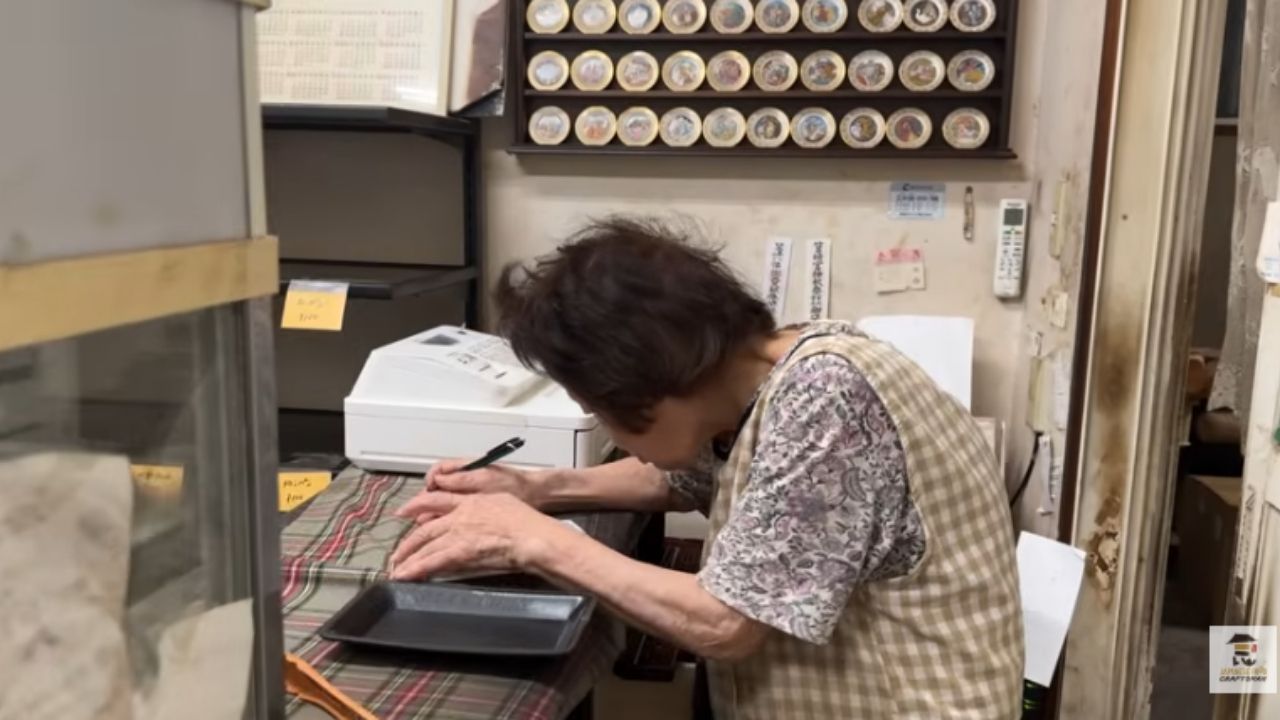
The story of the family bakery draws attention because the owner, at 84 years old, still participates in production and customer service. She says she can move around a lot, even using a hearing aid and taking medication for blood pressure.
-
Saudi takes his Toyota Hilux 4×4, leaves Riyadh, crosses 23 countries, and drives about 6,000 kilometers for almost three weeks to northern Norway to fulfill the dream of seeing the northern lights.

-
Tired of seeing her salary disappear with the mortgage, a 24-year-old sells her £125,000 house, buys a van for £13,000, invests £6,000, transforms the vehicle into a home, and decides to live on the roads of Europe.

-
As the polar cold wave freezes the South this week, archaeology reminds us how the Kaingang dug underground houses on the Santa Catarina plateau to survive frosts millennia ago.

-
Federal Police involved in the case to identify the person responsible for hacking the Civil Defense system, which sent ten false alerts, frightened residents of different capitals, and turned messages about real risks into notifications with “misanthropy” and even alien attacks.



The routine is demanding. In one segment, she states she works at least 12 hours a day and, at times, maybe even 20 hours. The most impressive detail is that while many are still sleeping, production is already underway.
The shop opens at 5 a.m., but not everything is ready immediately. This reinforces the artisanal nature of the business: products come out gradually as the team prepares doughs, fillings, sandwiches, sweets, and fresh bread.
The bakery was opened in 1970
According to the transcript, the owner opened the bakery in 1970. When asked about the time in operation, she comments that the 55 years passed quickly, always amidst the hustle and bustle of work.
This fact transforms the store into more than just a sales point. The family bakery became part of the neighborhood’s memory, spanning generations of customers and changes in the local Japanese commerce.
The presence of a customer returning after about 20 years reinforces this nostalgic relationship. He remembers the old prices, buys sweets for younger people, and says he hopes the place remains open for a long time.
The learning came from watching the father work
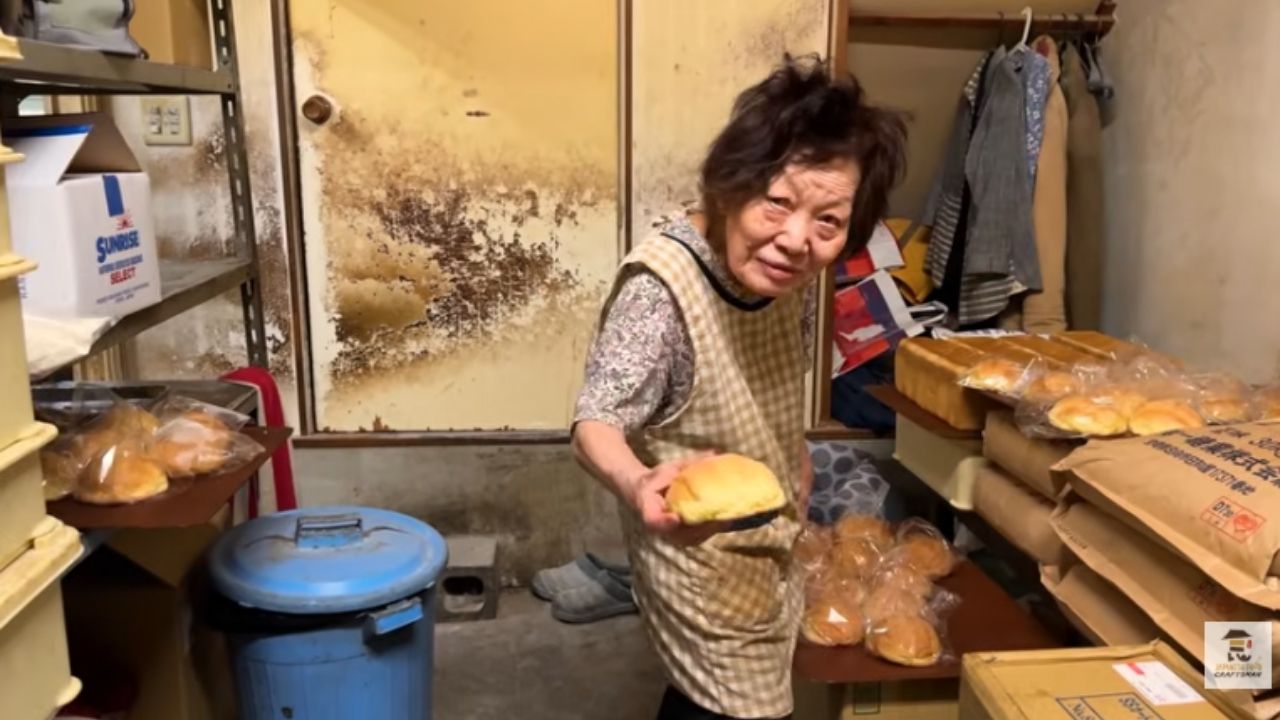
The owner says she learned to cook by watching her father. According to her, he didn’t teach in a modern or formal way; he just allowed her to observe the steps and learn in practice.
In one part, she recalls that sometimes she would fall asleep standing next to him. This image summarizes a training based on coexistence, repetition, and physical effort, typical of small family businesses that pass techniques from one generation to another.
Today, the same logic appears in the store’s routine. The production still relies on experienced hands, measurements, cuts, fillings, and decisions made at the counter’s pace, without the industrial appearance of a large chain.
Up to 400 units per day leave the store
The video reports that the bakery produces about 25 different types of products. The daily production is between 300 and 400 units, according to the owner herself.
Among the items mentioned are hamburgers, curry bread, tuna sandwiches, pizza toast, croquettes, hot dogs, minced meat cutlets, sliced bread, melon bread, filled rolls, cream puffs, and éclairs.
The volume is surprising because the structure is family-owned and old. It is not a modern factory, but a local store that manages to maintain variety and quantity with constant work.
Low prices explain part of the fame
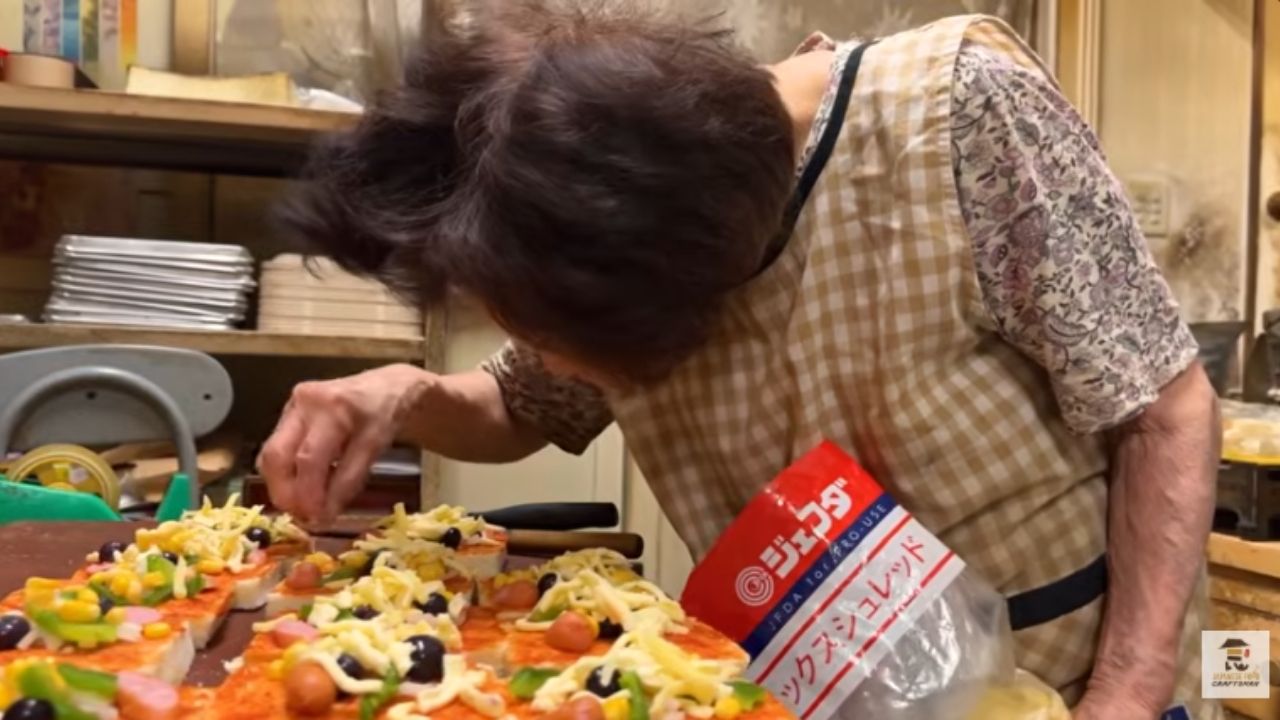
One of the strongest points of the family bakery is the price. The transcript mentions hamburgers at 110 yen, curry bread at 120 yen, tuna sandwiches at 240 yen, and other sandwiches at 180 yen.
The sweets also draw attention. Éclairs are priced at 60 yen, while cream puffs are sold for 50 yen. A customer comments that the products are cheap and delicious, especially the éclairs and cream puffs.
The strength of the store lies precisely in this rare combination: low price, generous filling, and the feeling of food made with care. In times of more expensive ingredients, this balance becomes even more difficult.
Eggs, cream, and good ingredients weigh on the cost
The owner claims to use many eggs, perhaps between 80 and 100 per day, especially for cream puffs and other delights. She also comments that eggs have become very expensive, as well as other ingredients.
Even so, the store tries to keep prices low. According to the owner, since her husband’s time, the family has used good ingredients and tries not to pass everything on to the consumer.
The explanation for being able to maintain part of this logic lies in the fact that they do everything in-house and do not need to pay rent. Without this fixed cost, the bakery can better withstand the pressure of expensive ingredients.
Customers arrive early and products run out
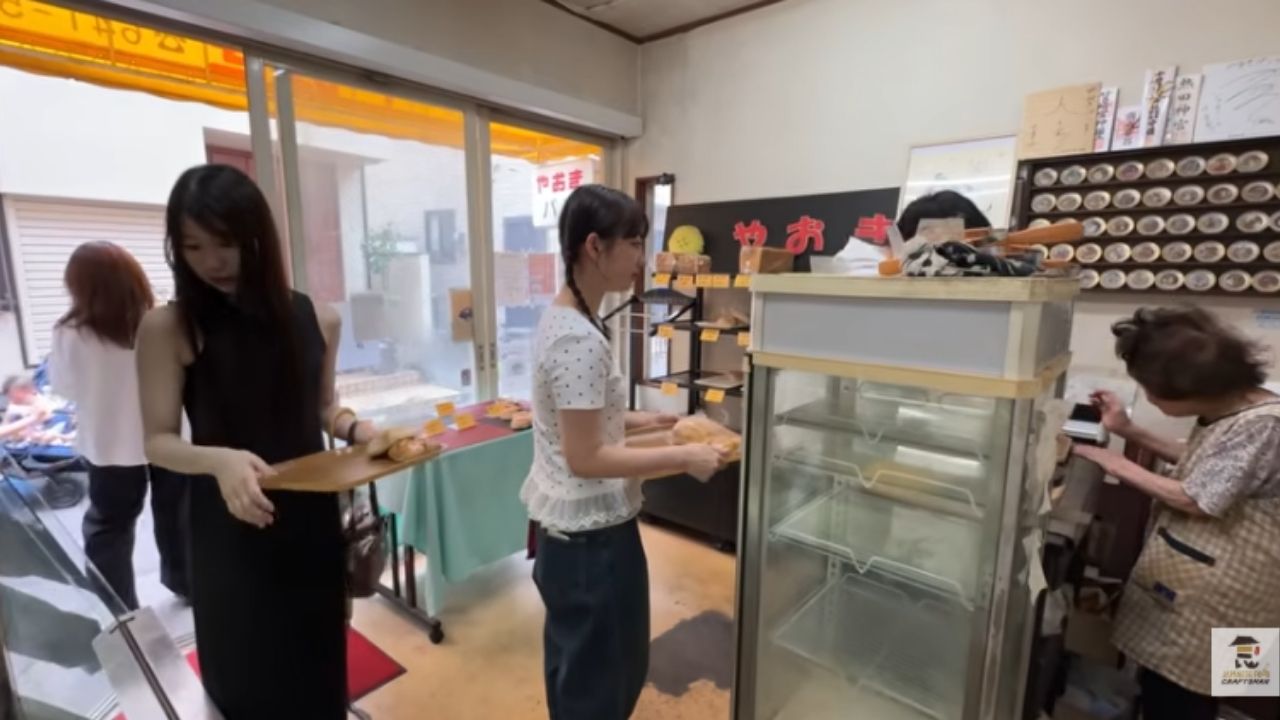
The movement starts early in the morning. Customers enter, ask for recommendations, and buy the most popular products, such as hamburgers, curry bread, cream puffs, and éclairs.
At one point, a customer asks for 30 cream puffs and 30 éclairs. Since there weren’t enough éclairs, the store informs that it would be necessary to wait about 30 minutes. Later, the owner confirms that everything was sold.
The scene shows a relationship of trust between the store and its clientele. People don’t just show up to buy bread; they recognize the effort, chat, thank, take photos, and say they will return.
The delivery to the daycare strengthens the bond with the neighborhood
The transcript shows the lady taking bread to a daycare. Although the journey was only a five-minute walk, it took her about 30 minutes to get there.
The detail is symbolic because the daycare was attended by her children in the past. The teachers from that time are no longer there, but the emotional connection to the place remains.
The family bakery functions as a point of collective memory. The business feeds current customers but also carries memories of children, former residents, students, teachers, and people who have passed through the neighborhood.
The son’s help keeps the operation possible
The central theme of the store is not just the resilience of the 84-year-old mother, but also the help of the son. The transcript presents the bakery as run by both, in a family work dynamic.
Without this partnership, a routine with production before dawn, service, deliveries, purchases, preparation, and cleaning would be even more burdensome. The son helps keep the gears running in a business that depends on daily presence.
Small family bakeries survive when work is divided between trust and obligation. In this case, the continuity of the store seems to depend as much on the mother’s effort as on the son’s presence by her side.
The future of the store is still uncertain


The owner states that her grandchildren do not seem interested in taking over the store. Therefore, she intends to continue working as long as she can and as long as she is healthy.
The phrase reveals a common dilemma in traditional businesses. Many survive for decades thanks to the founders’ efforts but face uncertainty when new generations do not want to follow the same routine.
Even so, she says that staying still is not good for the body and that she prefers to stay active. For her, working is not just a means of sustenance; it is also a way to continue living with purpose.
Low price, hard work, and neighborhood memory
A family bakery in Fukuoka impresses not only for its 55 years of operation but for the routine of an 84-year-old mother who wakes up before midnight, works long hours and still helps produce up to 400 units a day.
The shop combines handmade bread, cheap sweets, loyal customers, help from the son, and a strong relationship with the neighborhood. At the same time, it faces more expensive ingredients, an uncertain future, and a routine difficult to be repeated by new generations.
Do you think family businesses like this bakery can still survive for a long time or are they slowly disappearing? Would you pay more to help a traditional shop stay open? Share your opinion.


Be the first to react!