






 Portuguese
  Spanish
  3 min of reading
  0 comments


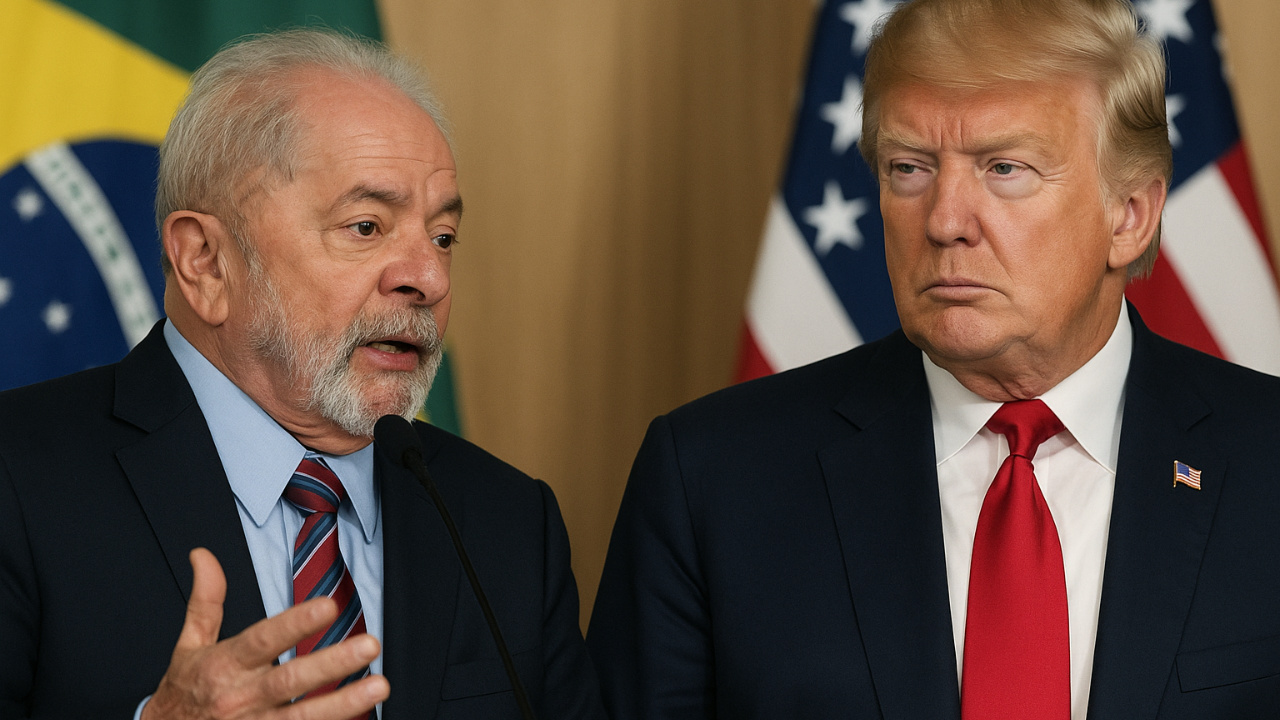
Lula Claimed That a Leader of Organized Crime Lives in Miami and Reinforced the Need for International Cooperation Against Factions.
In a speech at the Palácio do Planalto on Tuesday (9), President Luiz Inácio Lula da Silva stated that he informed the President of the United States, Donald Trump, that the biggest leader of Brazilian organized crime is living in Miami.
The statement, made while recalling a phone call that took place on December 2, highlighted the need to expand international cooperation to confront factions that operate in Brazil but function from abroad.
According to Lula, this type of dialogue is essential because criminals “act by conducting illegal activities in Brazil but live on American territory.”
-
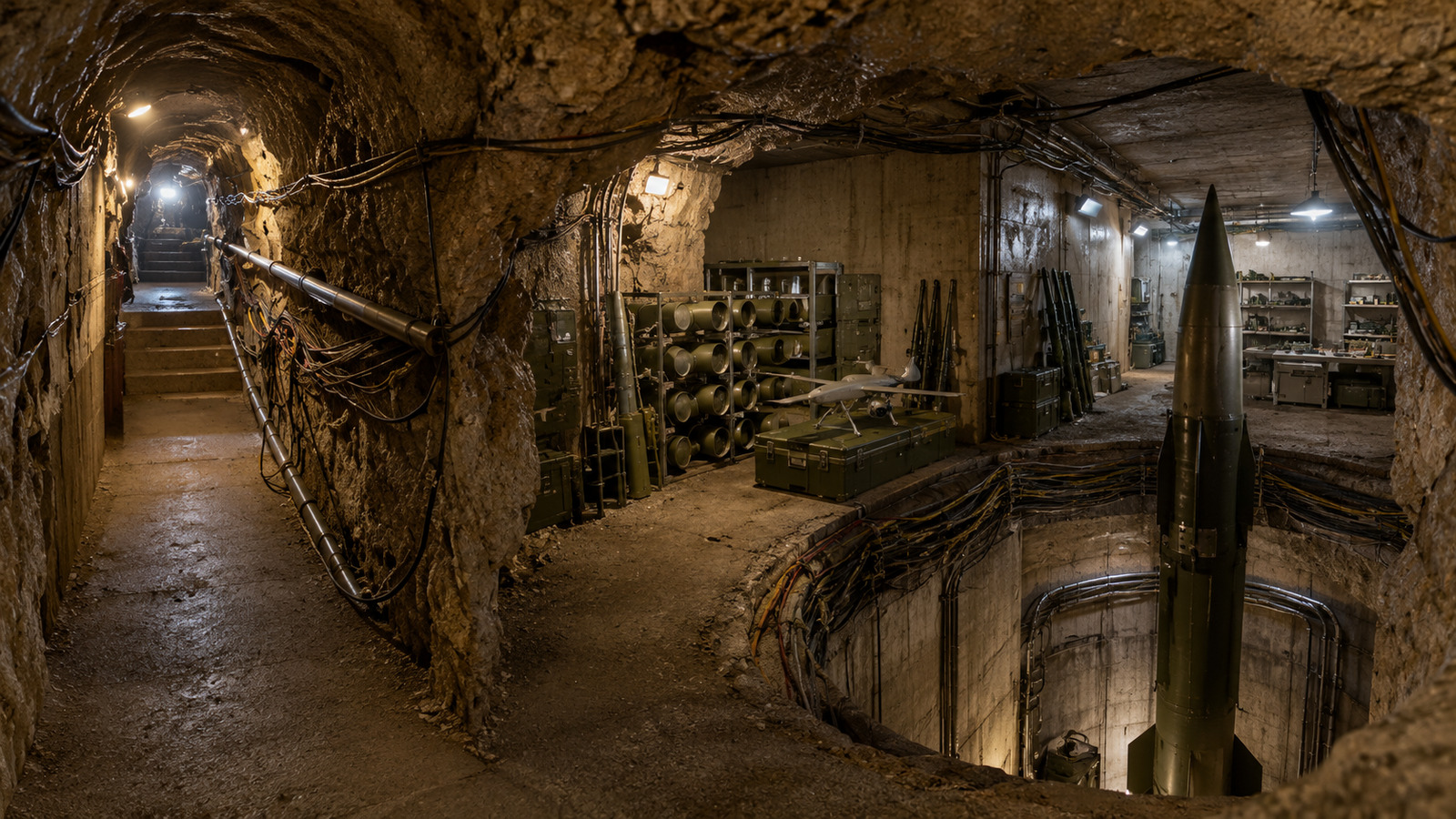
Israel finds Hezbollah militarized tunnel over 200 meters long under village, with 4 missile launch shafts, 12 chambers, anti-tank missiles, drones, and weapons depots at a depth of 25 meters.

-
Ukraine launches largest drone attack on Moscow since 2022, Russia claims to have intercepted nearly 200 aircraft near the capital, Kapotnya refinery targeted again, and offensive reignites alert about war reaching the Russian energy heart just a few kilometers from the Kremlin.

-
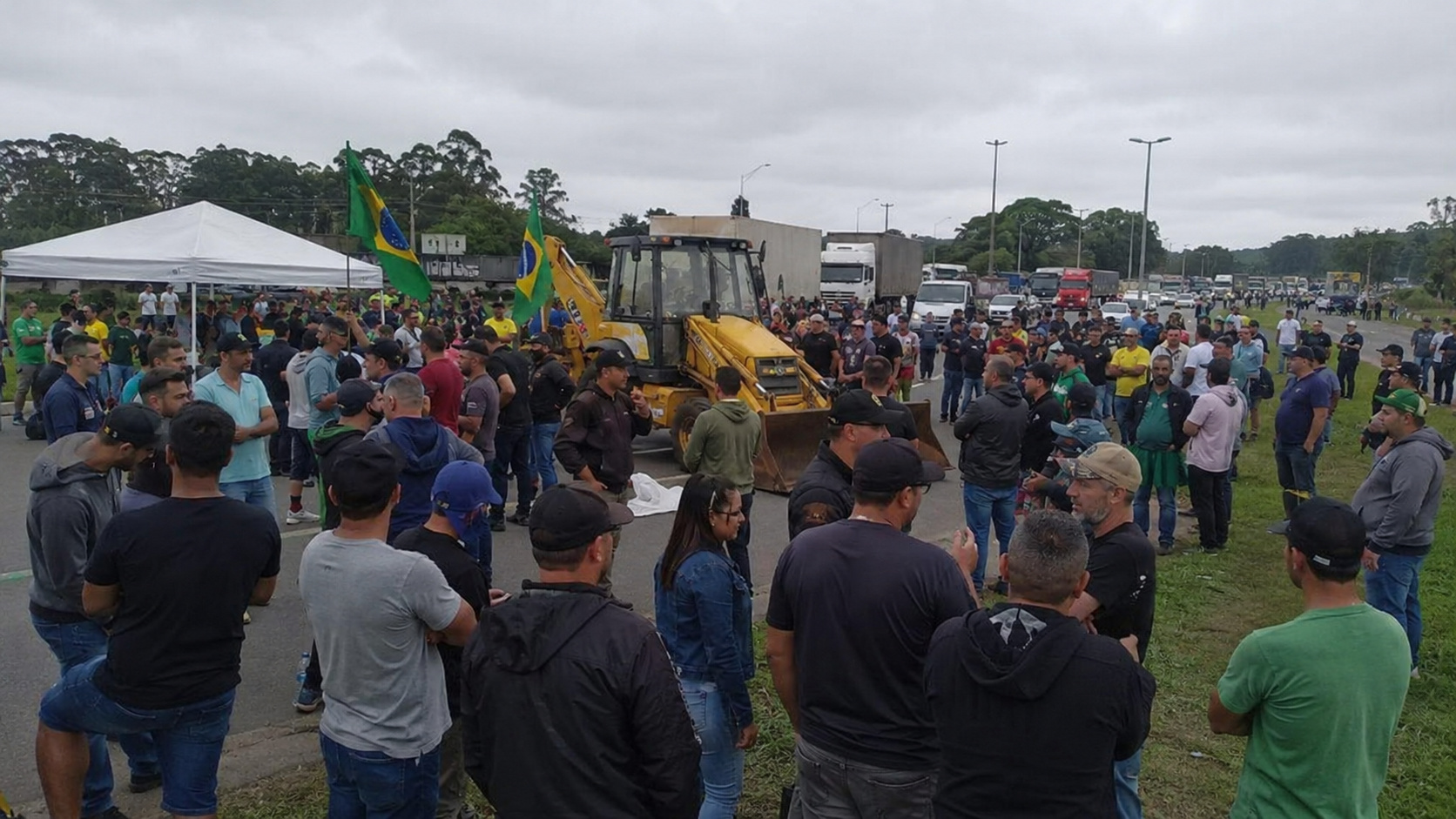
Truck drivers, freight, and fines from 2022 take center stage in politics: Chamber approves MP with amnesty, mandatory tracking by CIOT, million-dollar penalties, and new minimum wage for those who spend more than 24 hours on the road.

-
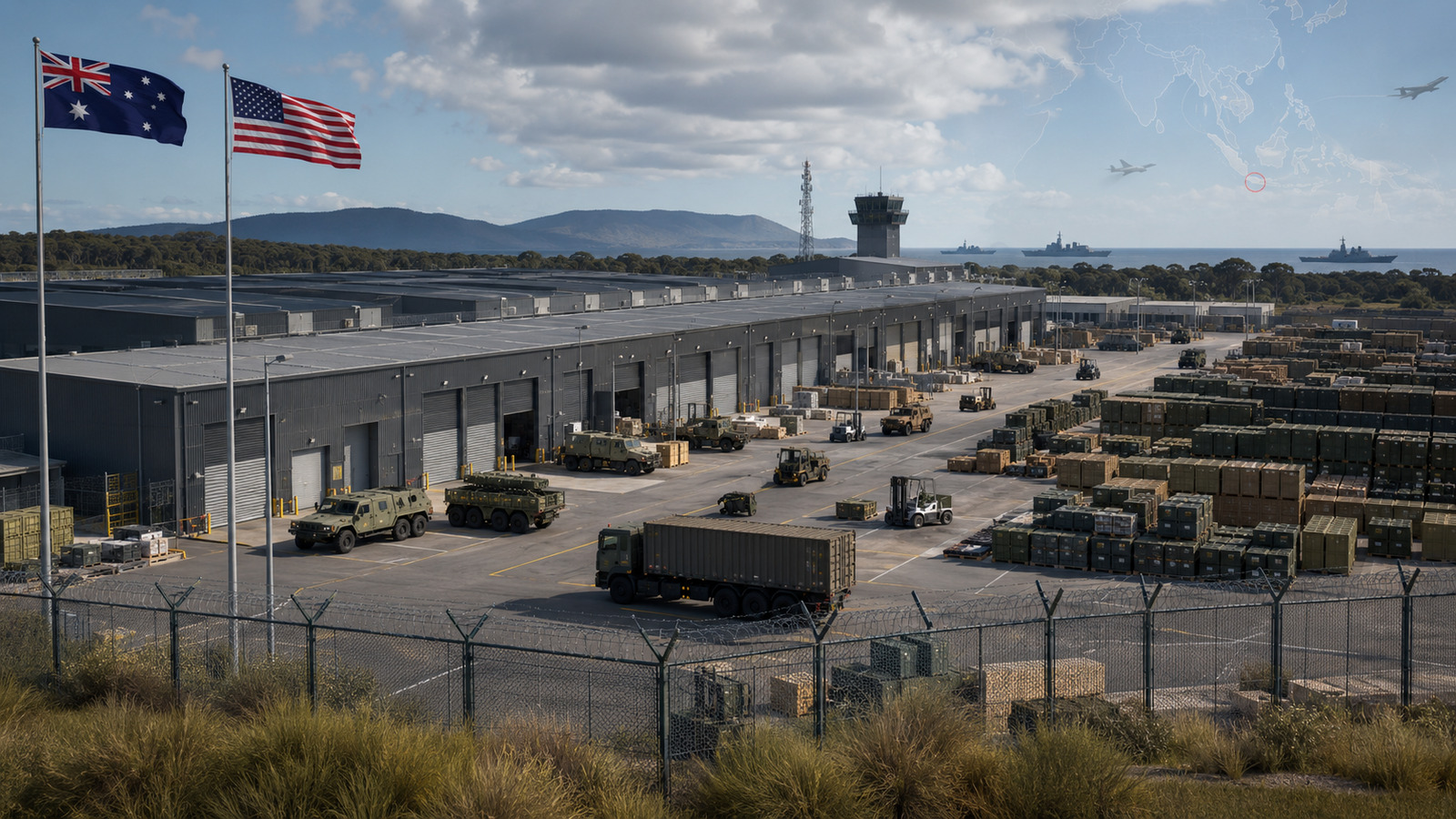
China off the radar: US plans mega $30 million weapons depot in Australia, out of reach of most Chinese missiles, with full capacity expected by 2028

Conversation Between Lula and Donald Trump Reinforces Alerts About Organized Crime
The phone call between Lula and Donald Trump directly addressed the advance of factions and the presence of Brazilian leadership in other countries.
According to the Palácio do Planalto, both discussed strategies to enhance information sharing, especially involving individuals who maintain illegal businesses in Brazil while residing in the United States.
During the event regarding the new rules for the National Driver’s License (CNH), Lula reiterated that he had warned Trump about the situation and emphasized the urgency to act.
Although he mentioned the presence of a leader of organized crime based in Miami, the president did not cite names.
Miami Returns to the Center of Debate After Cases Featured in the Media
Lula’s statement comes amid the repercussions of reports addressing Brazilians investigated for irregularities living in Miami.
Recently, Fantástico from TV Globo featured the case of Ricardo Magro, a lawyer who built a considerable fortune in the fuel sector and is being investigated for failing to pay taxes in Brazil.
According to the report, Magro leads a luxurious life in the United States. However, even with the significant media attention, Lula did not link the lawyer’s name to the leader of organized crime he mentioned in the speech.
International Cooperation as a Strategy Against Factions
Lula emphasized that strengthening ties with Washington is an indispensable step in combating organizations that operate beyond national borders.
For the president, international cooperation is urgent, especially when criminals take advantage of distance to escape Brazilian legislation.
“This type of conversation with the American leader is fundamental,” Lula stated. He argues that data sharing and integration between security agencies can accelerate investigations, captures, and repatriations of the accused.
Organized Crime Expands and Demands Joint Actions
The advancement of groups that use international structures to hide and move illicit resources has been a growing challenge for Brazil.
Therefore, Lula seeks to strengthen direct collaboration with the United States, as many individuals under investigation reside in cities like Miami, where they find legal and financial facilitation.
In addition, the dialogue with Trump should be just one of the initial steps of a broader public security agenda.
The intention, according to the Planalto, is to expand agreements, standardize protocols, and enable joint actions in transnational investigations.
Political Context Enhances the Effects of the Declaration
Lula’s speech also carries additional effects on the political scene.
The president reinforces the narrative that combating factions directly depends on cooperation with the US.
On the other hand, the statement suggests pressure on foreign authorities to enhance the tracking and accountability of these individuals.
Even without disclosing names, Lula aimed to highlight that public security transcends borders and requires constant coordination with the US.





-

1 person reacted to this.