






 Portuguese
  Spanish
  3 min of reading
  0 comments


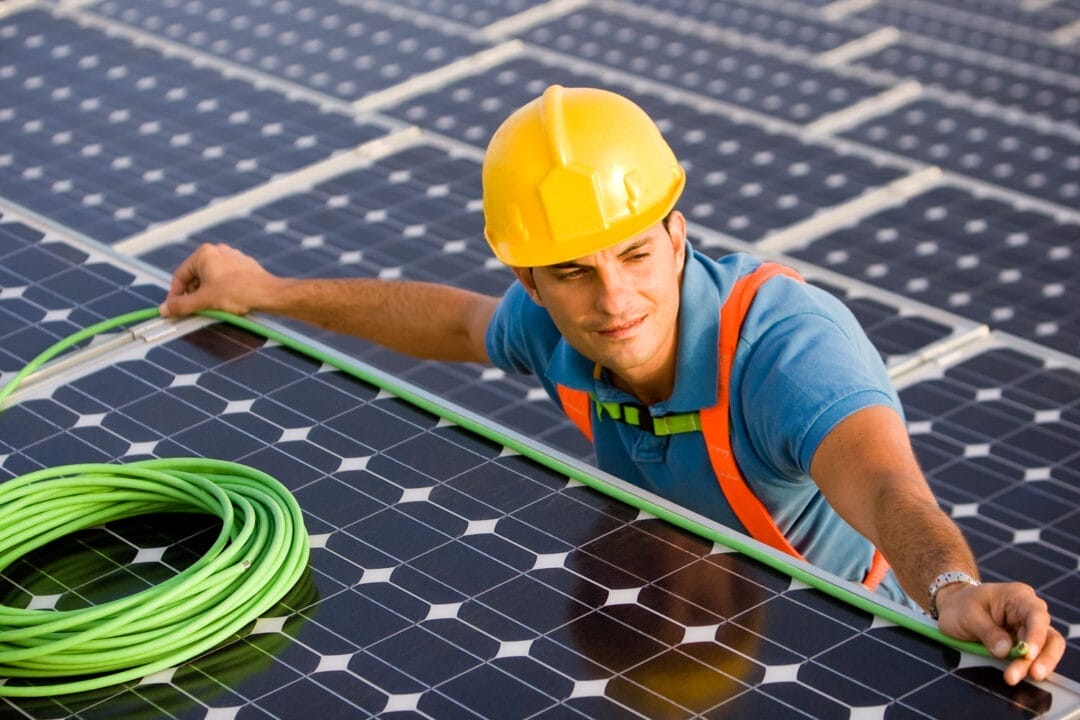
Say Goodbye To High Energy Bills. Discover Everything You Need To Know To Generate Your Own Electricity And The Time Required To Recover Your Investment In Solar Energy.
According to a study conducted by consultancy Greener, investing in residential solar energy can offer a quick return on invested capital in certain Brazilian states. In places like Mato Grosso, Alagoas, and Piauí, the average payback time for solar energy investments ranges from 2.6 to 2.7 years. Thus, owners of photovoltaic systems can start enjoying the economic benefits of their investment in a relatively short period.
States Where The Return On Investment In Solar Energy Is Longer


On the other hand, in states like Amapá, Paraná, and Roraima, the return on investment in residential solar energy can take more than four years to break even. In Santa Catarina, for example, this period extends to more than 5 years. These discrepancies reflect a variety of factors, including local energy infrastructure, government policies, and weather conditions.
The Greener analysis considers residential systems of 4 kWp (kilowatts-peak) and takes into account various aspects, such as installation time, system startup, tariff adjustments, and equipment prices. This holistic approach provides a comprehensive overview of the residential solar energy landscape across Brazil.
-
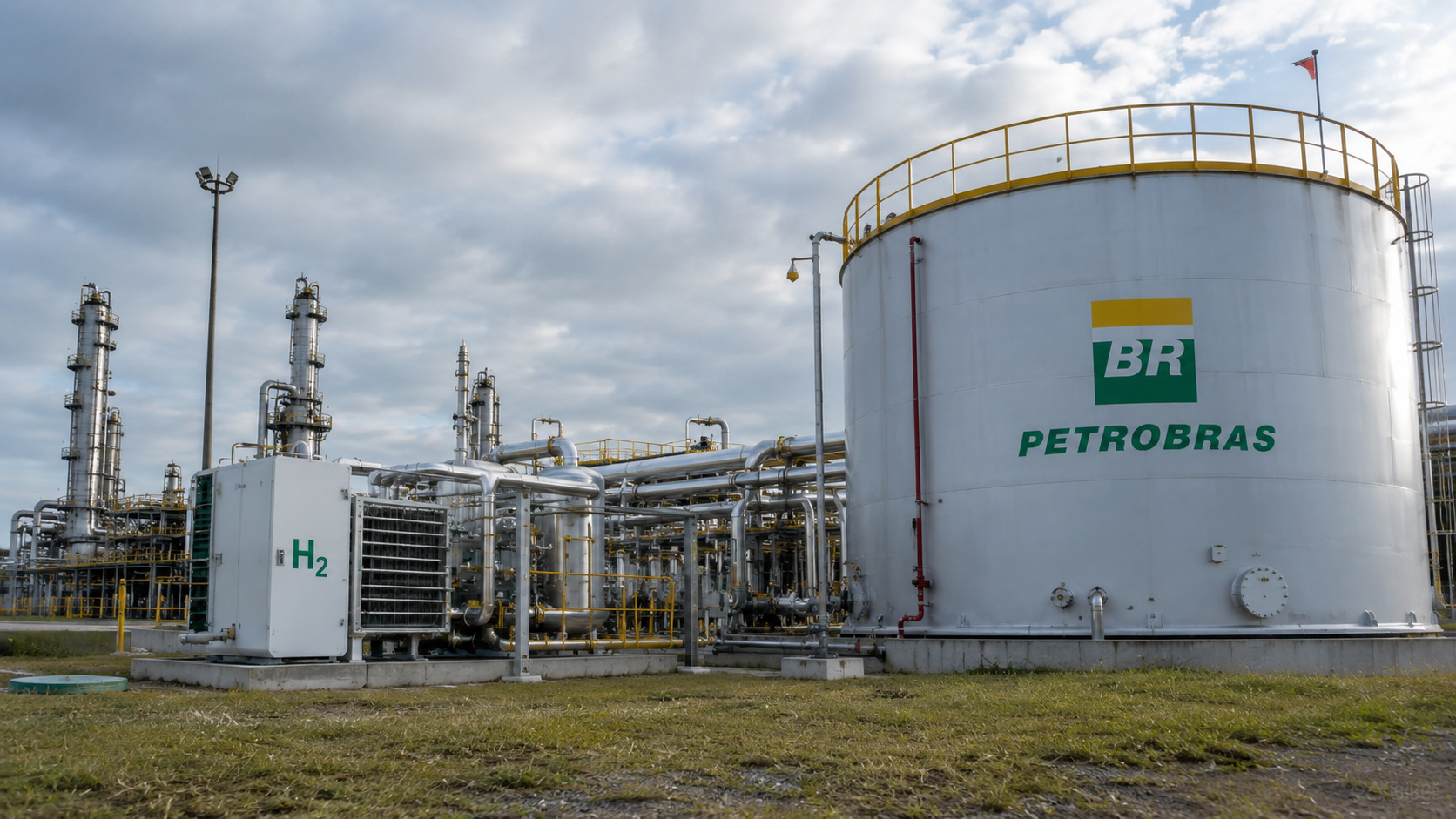
Brazilian scientists are simultaneously advancing two research projects on clean hydrogen and driving solutions that could transform the energy matrix, enhance industrial competitiveness, and accelerate large-scale emission reduction targets.

-
Advancement in renewable energy: A R$ 150 million project launched by Petrobras and Finep aims to create state-of-the-art electrolyzers for green hydrogen, strengthening national research and preparing Brazil to compete in a billion-dollar energy market.
-
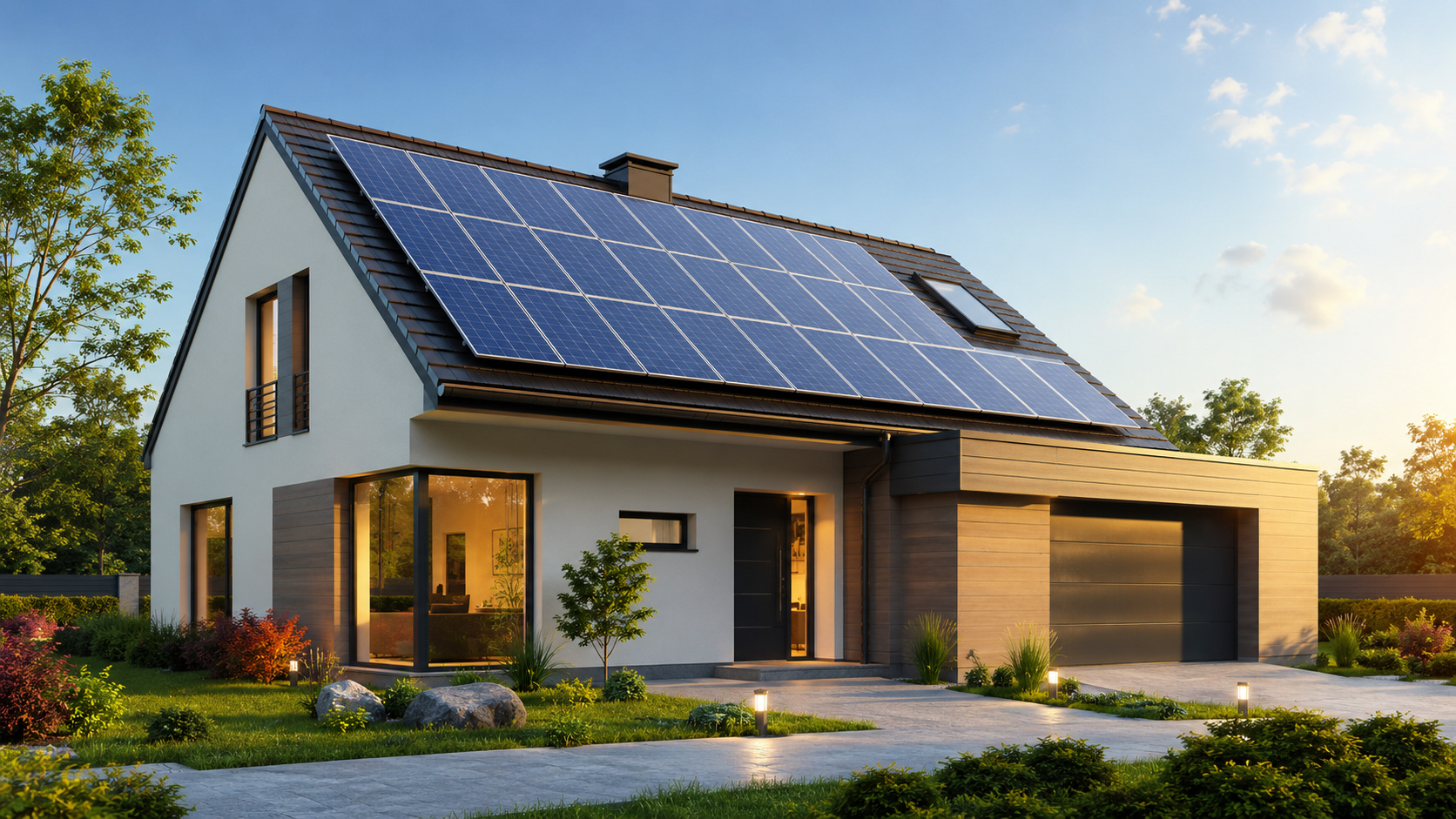
Solar energy can increase property value by up to 10% and become a selling point.
-
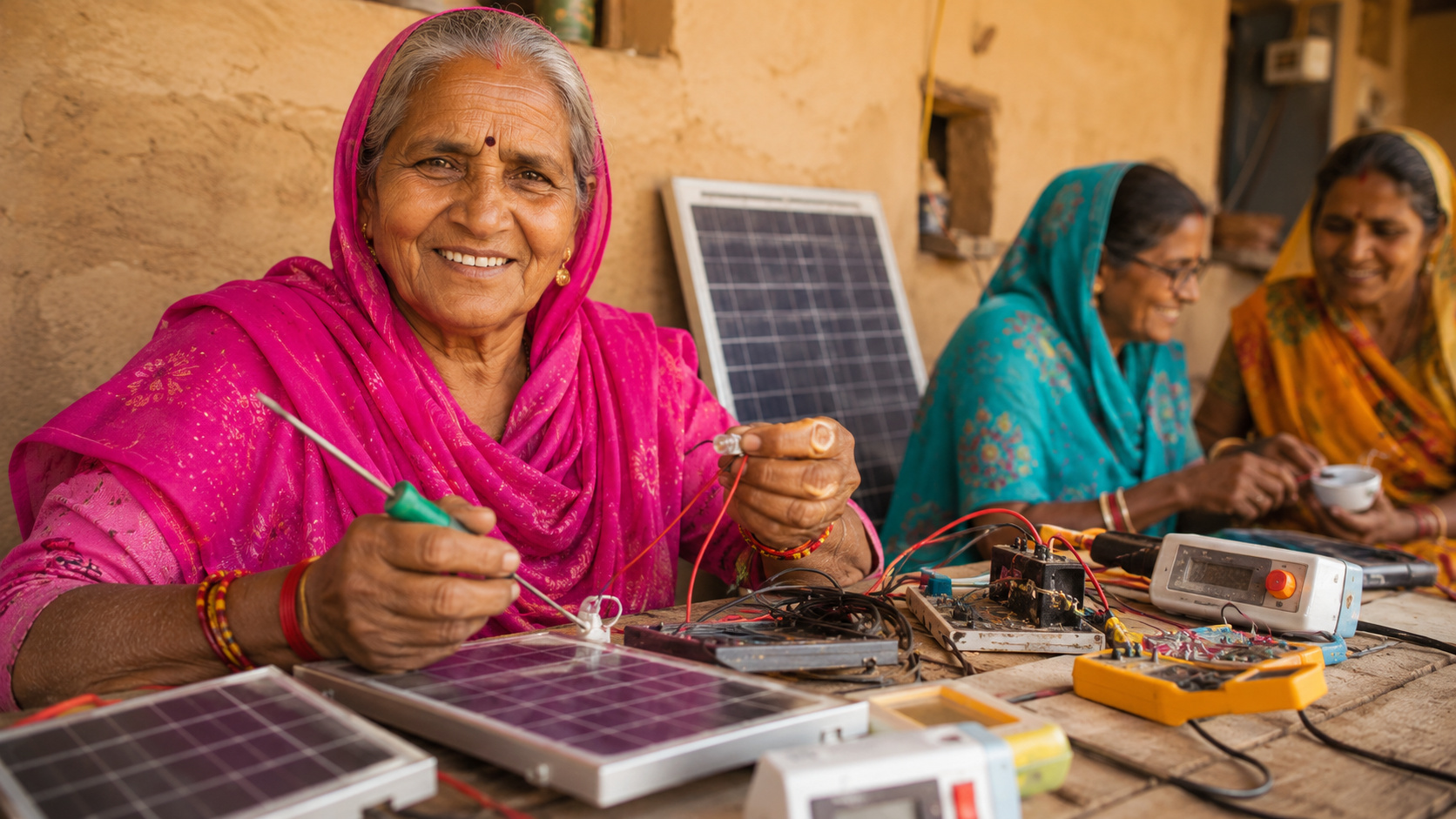
Illiterate or semi-literate grandmothers were trained to repair solar systems, open rural workshops, and light up homes that still depended on kerosene.

It’s worth noting that, on average, there was a 25% reduction in the payback time for solar energy investments between January 2023 and January this year across the country. This is directly related to the decline in the prices of residential photovoltaic systems, which decreased from an average of R$ 17,560 to R$ 12,680 in that period. This cost reduction makes solar energy a more accessible and attractive option for consumers.
Is It Worth Installing Solar Energy Systems At Home?
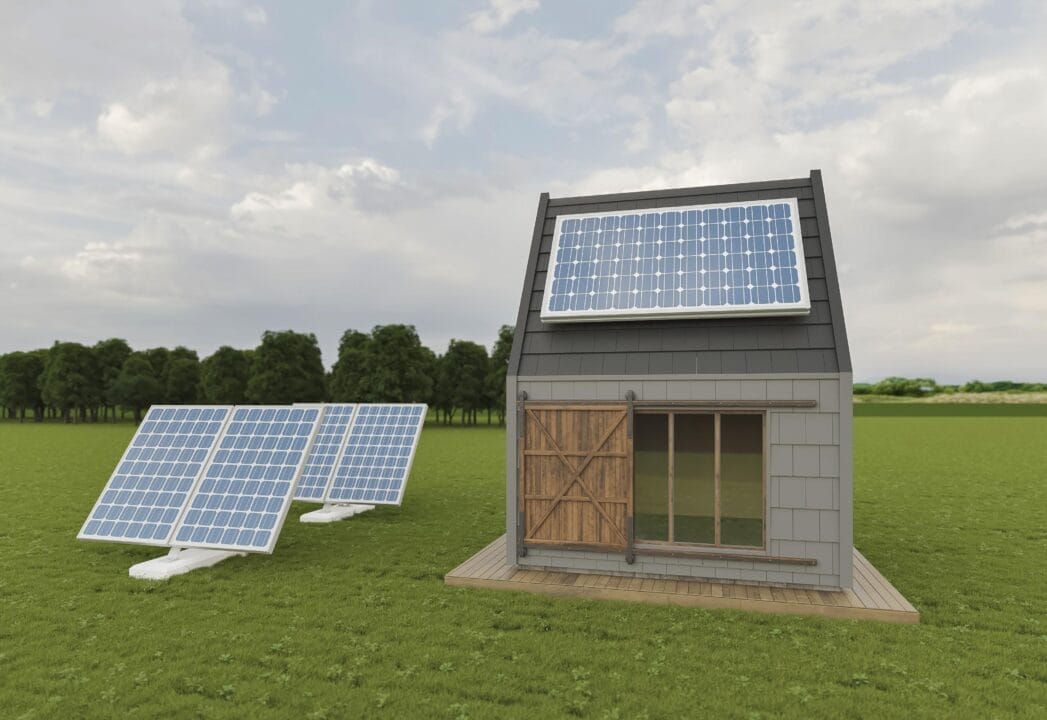
Installing solar energy at home can vary significantly in terms of costs, depending on various factors such as system size, efficiency of solar panels, geographical location, available tax incentives, and the company hired to perform the installation.
Solar panels are installed in sun-exposed areas, such as rooftops, where they convert sunlight into energy through the photovoltaic effect.
Typically made of silicon cells, these panels generate an electric current when exposed to sunlight. When the solar system generates more energy than it consumes, the surplus goes back to the power grid, usually resulting in credits on the electricity bill, further enhancing the return on investment in solar energy.
On average, a Brazilian family of four living in an urban area consumed about R$ 210 monthly on electricity in 2023. This amount is equivalent to 280 kWh per month, according to electrical engineer and energy efficiency specialist Gabriel Migliomi.
For this professional, the initial investment for a family of this size is R$ 25,000. According to information from the photovoltaic systems franchise company, Portal Solar, a professionally installed solar system in Brazil capable of meeting a monthly energy consumption of R$ 500 has a cost that ranges from R$ 20,000 to R$ 35,000.
What Is Needed To Install Solar Energy?
It is essential to hire a specialized company to request a quote for solar panel installation. It is important to provide the exact dimensions of the roof or installation site, as well as a recent copy of the electricity bill, so that the average consumption can be calculated correctly.
Once the site is prepared, the installation of the solar panels proceeds. Additionally, the contracted company can offer assistance with the necessary bureaucratic procedures, which may vary depending on the region of the country.





Be the first to react!