






 Portuguese
  Spanish





Solar Mamas Program shows how rural women learn solar energy in practice, bring light to isolated villages, and reduce the use of kerosene inside homes
Women, grandmothers, and matriarchs who are illiterate or semi-literate were trained to repair solar systems, open rural workshops, and light homes that still depended on kerosene. The information was released by Barefoot College, a civil society organization in India.
The Solar Mamas program, known in Portuguese as Mães Solares, trains matriarchs from the Global South to assemble, install, and repair solar lanterns and home lighting systems. The initiative was created for communities far from the common electrical grid.
In practice, the training places marginalized women at the center of a clean energy solution. They cease to be just residents of villages without light and start taking care of the installation and maintenance of the equipment.
-
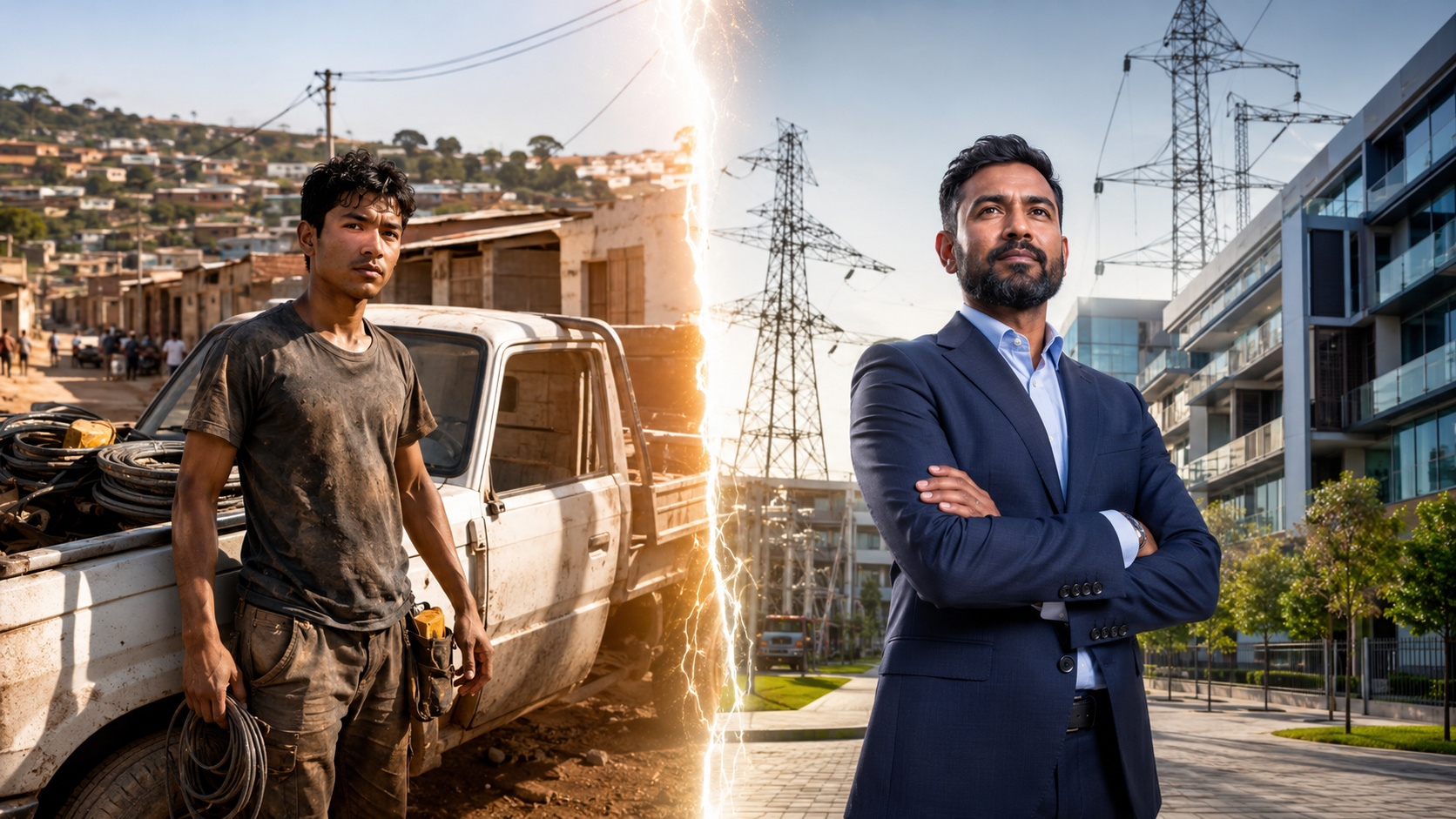
Fired during apartheid and with a little borrowed money, an electrician started with a borrowed truck and transformed electrical services into a group connected to energy, real estate, and infrastructure in South Africa.

-
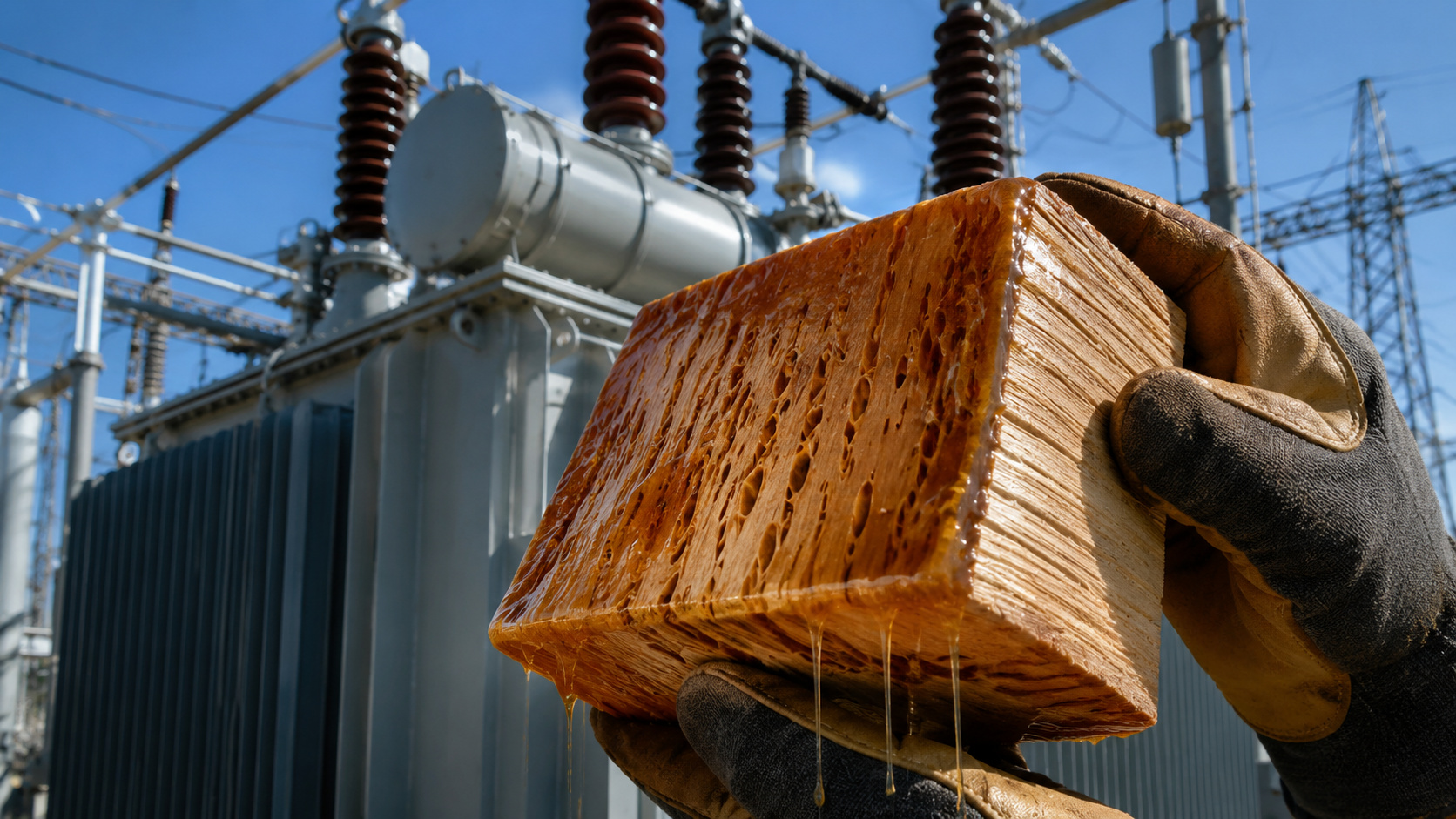
Wood has ceased to be just a construction material in Yale research and has become insulation for electrical transformers that face intense heat, aging, and increasing pressure from the renewable energy-powered grid.
-
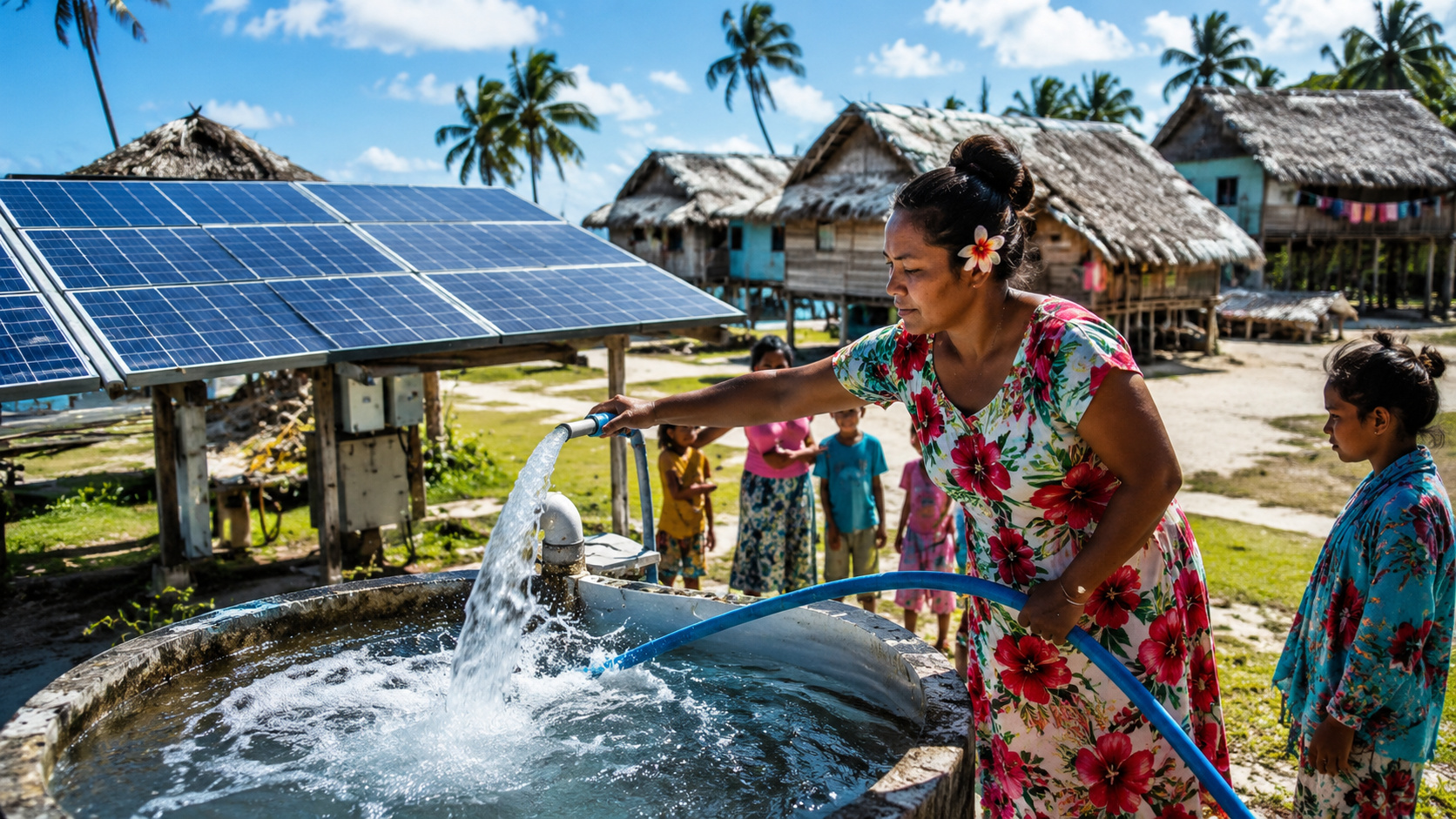
More than 1,000 residents of a remote island in Kiribati now have clean water and electricity with solar systems operated by the community itself.
-
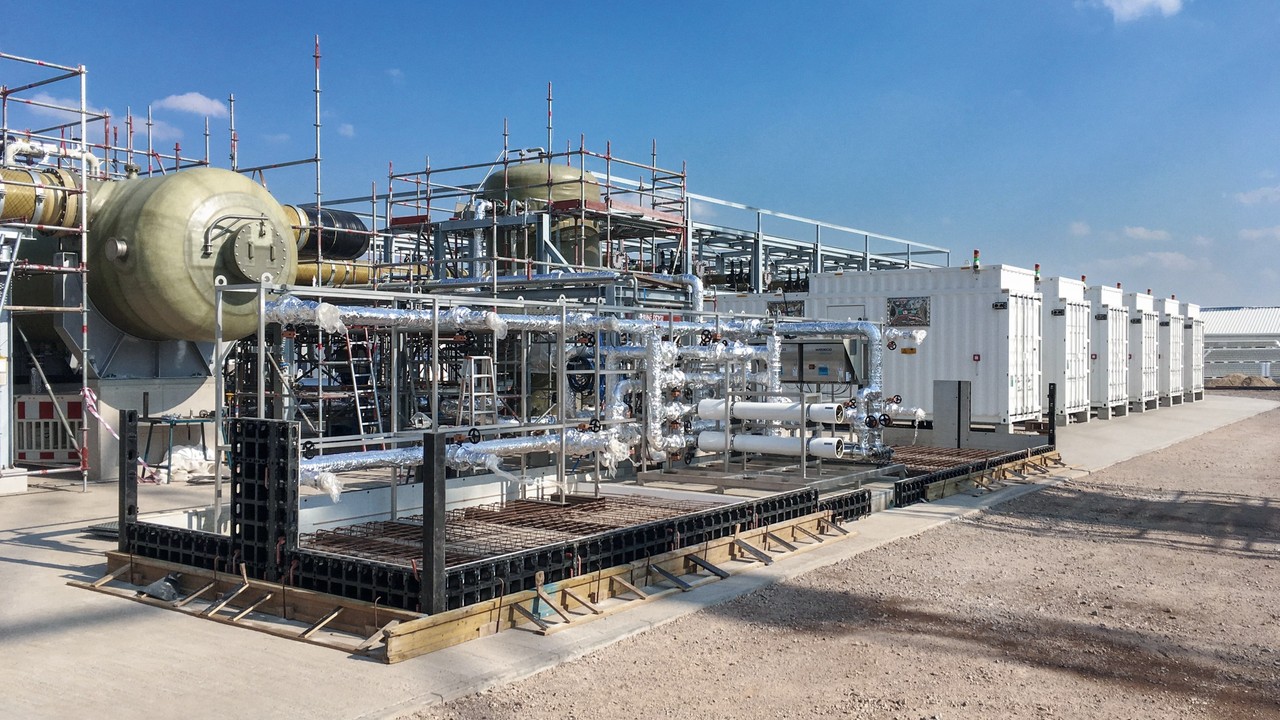
Ceará brings together 7 giants and R$ 66 billion to transform Pecém into the largest green hydrogen hub in Brazil, with final decisions expected by the end of 2026.

Women without a diploma learn solar energy in 6-month training
The program selects women from remote villages without electricity to become community solar engineers. In this case, the word engineer is linked to the practical mastery of technology, not a university degree.


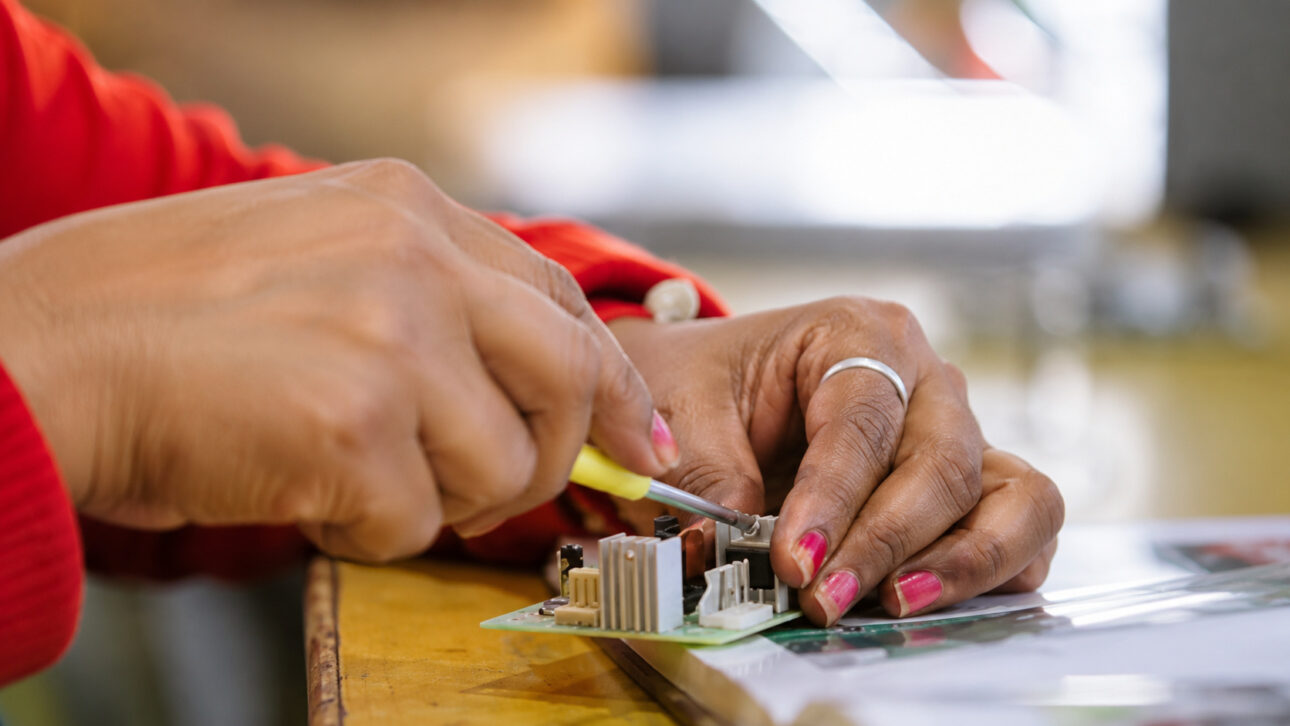
The training lasts 6 months and takes place in a residential setting. Participants learn to design, manufacture, install, and repair solar products used in simple homes.
The learning involves solar lanterns and home lighting systems. This means a set of parts, wires, lamps, and components that allow the house to be lit using sunlight as an energy source.
Rural workshops help villages not to rely solely on outside technicians
After the training, the new professionals return to their communities with equipment and spare parts. This point is essential because many isolated communities cannot easily call technicians.
With this material, they set up rural electronics workshops. In these workshops, they can manufacture, assemble, install, maintain, and repair solar systems used by families in the village.
The difference lies in the local presence. When a light bulb fails or a part needs to be replaced, the solution does not depend solely on someone coming from afar.
Houses without solar energy still use kerosene as a light source
In houses without solar energy, kerosene appears as one of the main energy sources. This fuel is used to light environments but can generate cost, smoke, and risk within small homes.
The arrival of residential solar light changes the routine of families living off the electrical grid. The lighting allows for studying, cooking, working, and moving around the house more safely at night.
This impact is simple to understand. A solar-powered light bulb can reduce fuel dependency and make daily life less limited by darkness.
Barefoot College registers 1,708 women trained in 96 countries
Barefoot College, a civil society organization in India, records that 1,708 rural women from 96 countries have been trained by the program. These women have brought electricity to over 75,000 homes.
The institution also notes savings of about 45 million liters of kerosene. This data helps show why the program is treated as a solution linked to clean energy, income, and family health.
The training in solar lanterns began in 1966, with support from solar energy pioneer Pierre Amado. In 2000, the training of community solar engineers was launched in 6 Indian states.
When technology becomes autonomy within the community itself
The case of the Solar Mothers draws attention because it breaks a common idea: that technology can only be mastered by those who have undergone long academic training. The program shows another path, based on practice, repetition, and direct use in daily life.
This does not diminish the importance of formal engineering. The point is different: in isolated places, a simple and well-maintained solution can be as important as a large project far from the population.
When women from the village itself learn to take care of the systems, the community gains autonomy. The light no longer depends solely on companies, external technicians, or long distribution networks.
Solar energy becomes a tool for income, light, and respect for rural women
The training of the Solar Mamas also changes the role of these women within the communities. They come to master a technical activity, take care of important equipment, and help other families.
The program combines renewable energy, practical training, and rural infrastructure. These three points explain why the story has strength beyond curiosity.
In regions without an electrical grid, the arrival of a solar system does not just mean a new lamp. It can mean more study time, less spending on kerosene, and more safety at home.
The Solar Mamas program shows that solar energy can reach isolated villages through women who were previously left out of technical training. They learn, return home, and keep the lights on where the electrical grid does not reach.
The story also raises an important reflection for countries with remote communities: could local solutions, taught simply and practically, illuminate places that large structures have not yet reached?
Do you believe a similar model could help isolated communities in Brazil? Share your opinion and share this story with those interested in clean energy and real solutions.







Nice one