






 Portuguese
  Spanish



Solar Energy in Brazil: Understand Why the Country Stands Out Globally, How Photovoltaic Systems Work and How Anyone Can Save on the Electricity Bill with Clean and Renewable Energy
Photovoltaic energy is a renewable source obtained from sunlight and heat. In Brazil, this type of energy is converted into electricity primarily through photovoltaic panels, which capture solar radiation and transform it into electric current.
There are two main types of solar systems:
- On-Grid Photovoltaic System: connected to the electrical grid, allows for energy compensation (credits).
- Off-Grid Photovoltaic System: independent of the electrical grid, ideal for remote areas.
Why Is Solar Energy Growing in Brazil?
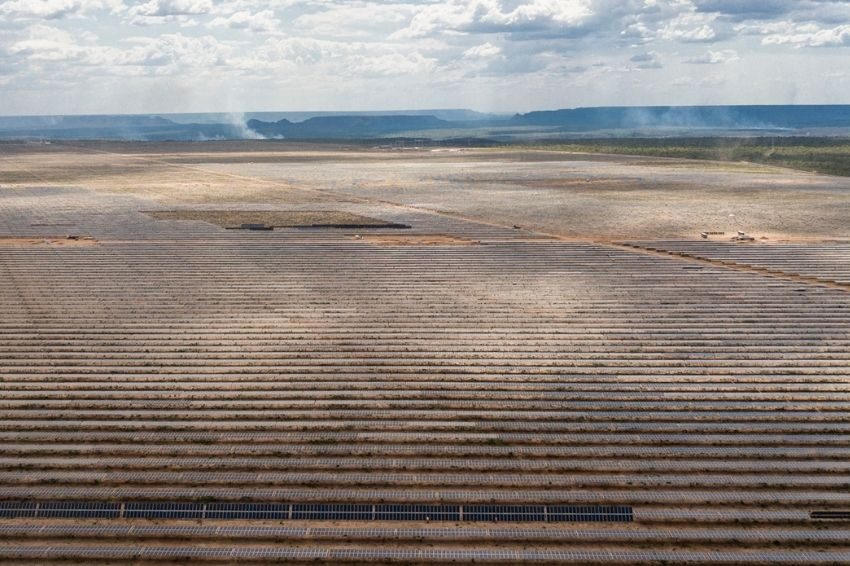
Brazil has one of the highest incidences of solar radiation in the world, making the country particularly favorable for solar energy generation. Additionally, factors such as:
-
Brazilian scientists are simultaneously advancing two research projects on clean hydrogen and driving solutions that could transform the energy matrix, enhance industrial competitiveness, and accelerate large-scale emission reduction targets.

-
Advancement in renewable energy: A R$ 150 million project launched by Petrobras and Finep aims to create state-of-the-art electrolyzers for green hydrogen, strengthening national research and preparing Brazil to compete in a billion-dollar energy market.
-
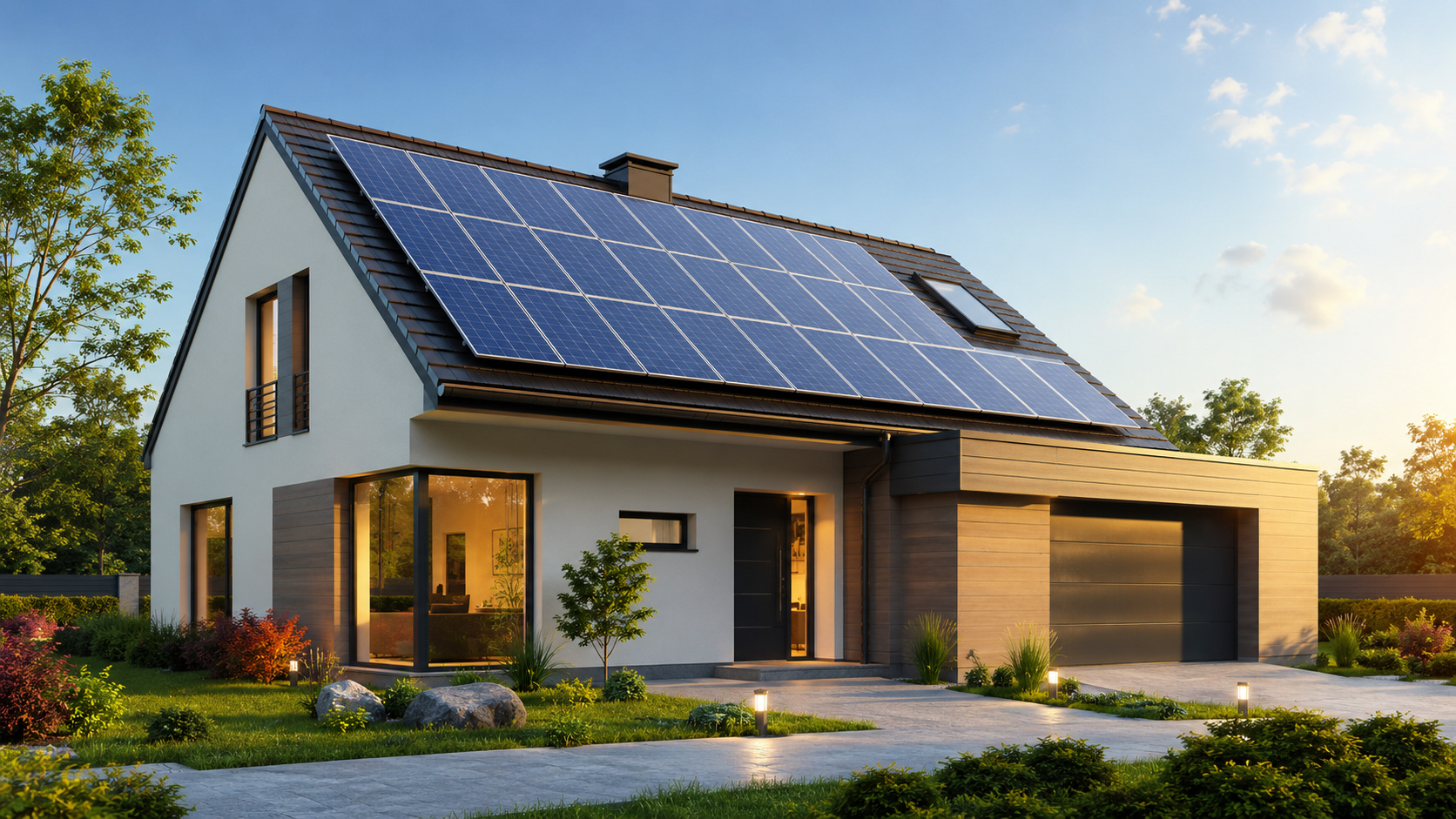
Solar energy can increase property value by up to 10% and become a selling point.
-
Illiterate or semi-literate grandmothers were trained to repair solar systems, open rural workshops, and light up homes that still depended on kerosene.



- Government Incentives
- Reduction in Equipment Costs
- Pursuit of Sustainability and Savings
have driven the adoption of photovoltaic energy in both households and businesses.
According to data from the National Electric Energy Agency (ANEEL) and the Brazilian Photovoltaic Solar Energy Association (ABSOLAR), the country surpassed the mark of 37 GW of installed capacity in 2024, establishing itself as one of the leaders in solar energy in Latin America.
What Are the Advantages of Solar Energy?
- Reduction in Electricity Bill: savings that can exceed 90% of the monthly amount.
- Clean and Renewable Energy: does not pollute, does not emit CO₂.
- Property Appreciation: properties with solar systems tend to be more valued.
- Simple Maintenance and Durability: panels can last up to 25 years.
- Energy Self-Sufficiency: especially in remote or rural areas.
Who Can Invest in Solar Energy in Brazil?
Practically anyone, whether an individual or a legal entity, can invest in a photovoltaic energy system. The main modalities are:
- Residential: houses and condominiums.
- Commercial and Industrial: companies looking to reduce operational costs.
- Rural: agricultural properties seeking energy independence.
- Shared Generation and Solar Consortium: allows dividing the generated energy among several consumers.
Financing and Incentives
Several banks and financial institutions offer credit lines specific for photovoltaic energy, with attractive terms and rates. Furthermore, the legal framework of Distributed Generation (Law No. 14.300/2022) ensures the maintenance of benefits for those who install systems until 2045.
The Future in Brazil
Projections indicate that Brazil will continue to expand its solar energy matrix. The trend is for technology to become more accessible, with innovations in storage batteries, integration with electric vehicles, and large-scale use in smart cities.
Brazilian companies are investing in large-scale solar plants, while startups and social initiatives are bringing clean energy to isolated communities.








