





 Portuguese
  English
  Spanish
  6 min of reading
  0 comments


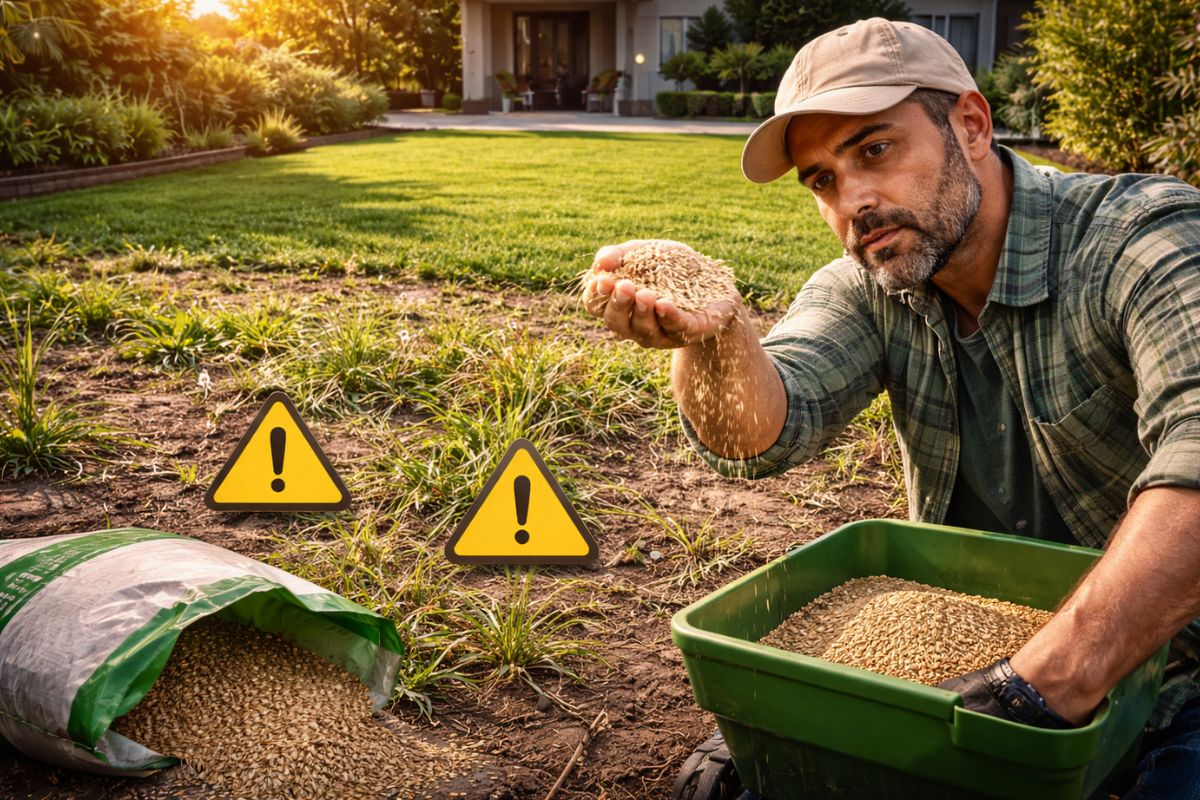
From A Real Attempt In A Residential Garden, The Analysis Shows That Planting Grass From Seed In Brazil Requires Constant Management For The Emerald Grass To Close The Lawn, Control Weeds, And Face Rain, Germination Time, And Hidden Costs Overlooked In Short Videos In The Routine Of Home Maintenance.
Planting grass from seed may seem like an enticing solution when the goal is to cover bare spots in the yard or create a new lawn without buying sod. However, in the account presented by agronomist Gaspar Massac, the method that seems like an immediate saving can turn into a sequence of losses, especially under common garden conditions in Brazil.
The explanation does not stem from market conspiracy or lack of basic technique on the part of the attemptor. The central point lies in the combination of species, climate, germination rate, and pressure from weeds. What works quickly in foreign videos can fail miserably in tropical soil, even with careful preparation, fertilization, and disciplined watering.
The Fascination With The Cheap Method And The Test That Went Wrong

The reported case starts from a common scenario. There was an area with emerald grass full of gaps and another section of bare soil that needed to be covered.
-
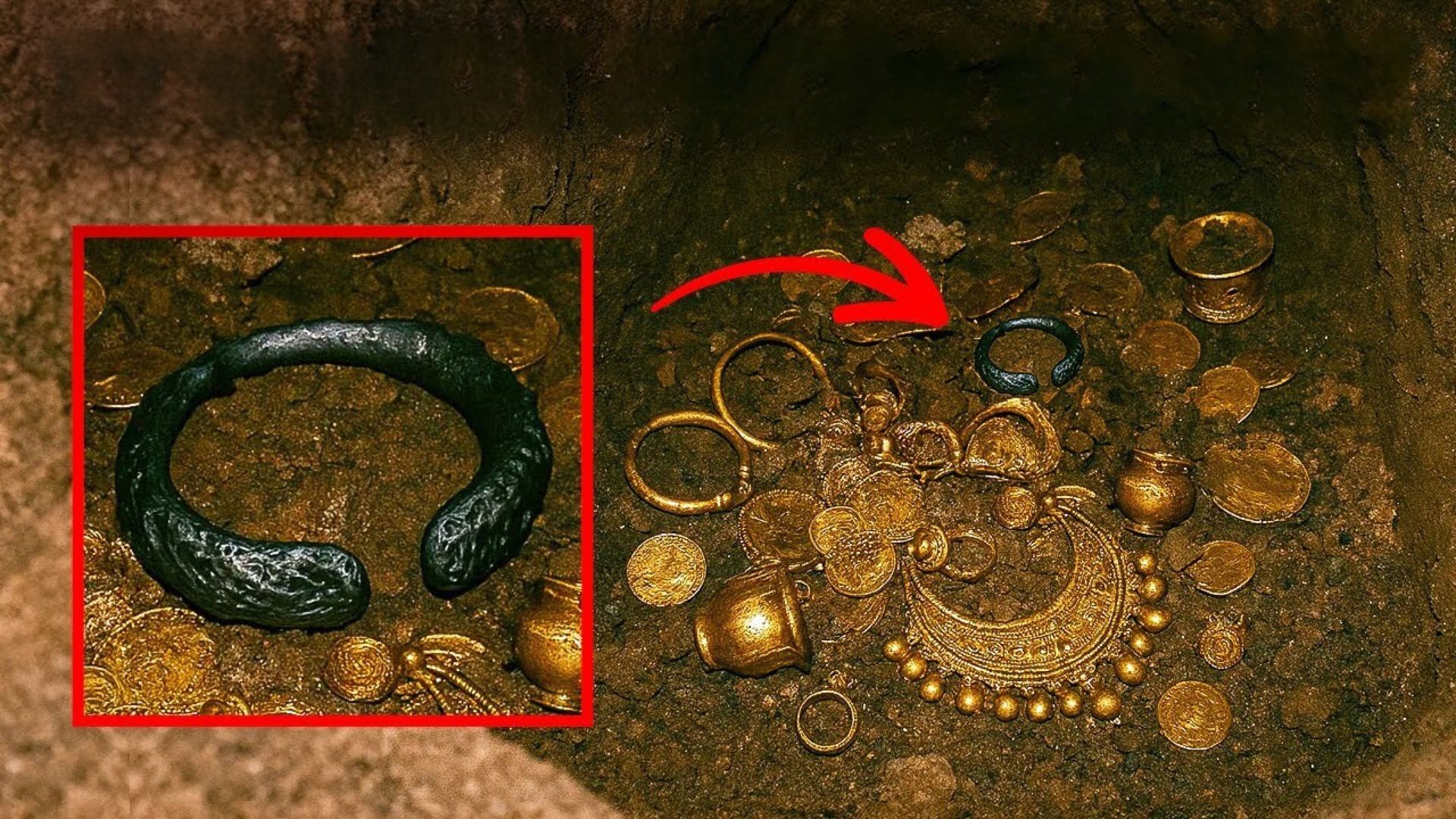
The most valuable treasure of the Bronze Age in Spain hid an impossible secret for 60 years: scientists confirmed that the bracelet and the gold hemisphere of the Villena Treasure were forged with meteorite iron even before iron metallurgy existed on the Iberian Peninsula.

-
Civil engineer explains the strategy that would allow Luciano Hang to build Havan megastores in just four months, combining flat land, standardized prefabricated structures, and concrete panels that replace masonry to speed up each construction across the country.
-
Line at the top of the world scares climbers and impresses the internet: Mount Everest records 274 climbers at the summit in a single day, exposes human congestion in the Death Zone and reignites warnings about oxygen, safety, and abandoned trash on the mountain.

-
These are the reasons why we should stop painting the walls of our house white, according to experts.



The apparent solution seemed simple: buy seeds, prepare the ground, and wait for the lawn to fill in, repeating what is seen in gardening videos from outside the country.
According to the agronomist, the execution was careful. He loosened the soil, corrected it, fertilized, distributed the seeds, and maintained frequent watering, even irrigating three times a day in the first weeks. The expectation was to see a green carpet in about twenty days.
The reality was the opposite, with weak germination, irregular growth, and the advance of weeds in the newly seeded area.
The Difference That Changes Everything Between The Foreign And Brazil

The key to the explanation lies in the type of grass used in each context. In many videos recorded in the United States and Europe, cold-weather grasses are shown, described as varieties that germinate and grow quickly.
In short windows of favorable weather, they need to establish early, occupy the soil, and provide coverage in a short time.
In Brazil, the residential landscape is often dominated by emerald grass and São Carlos grass, warm-weather species. In this group, planting grass from seed tends to be slower and more irregular, with seeds that do not germinate at the same rate.
Instead of uniform coverage, spaced patches emerge, persistent gaps, and an area exposed for too long.
The Real Enemy Is Not The Seed But The Competition In The Ground
When germination is slow, the lawn falls behind in a race that occurs every day. While the grass is still trying to emerge, tropical weeds like brachiaria, trapoeraba, tiririca, and caruru advance vigorously, taking advantage of heat, light, water, and nutrients.
The ground does not wait for the grass to decide to sprout.
This is the point that weighs on the budget of those seeking a cheap miracle. To plant grass from seed and still have a chance of success in residential conditions, one would need to control the invaders almost daily, manually weeding frequently.
In practice, this consumes time, labor, and energy. The supposed initial savings begin to disappear before the lawn closes.
Heavy Rain, Erosion, And The Invisible Effect That Drags The Investment
Besides the weeds, water is a critical factor. In cooler climates, the pattern of fine, continuous rain can favor moisture without significant soil displacement.
In many Brazilian regions, especially during summer, the scenario is different, with intense downpours that disrupt the freshly prepared surface.
When this happens, carefully distributed seeds can be carried away from the area. The result is known to those who have tried: bare parts, concentration of seeds in random spots, and a new need for correction.
Planting grass from seed in exposed soil, with heavy rain and without adequate protection, can mean starting over several times.
How Much Time Really Enters The Account And Why Does This Increase The Project Cost
One of the strongest warnings from the account is the establishment time. Even with patience, irrigation control, and constant management, emerald grass and São Carlos grass seeded can take six to twelve months to form a resilient lawn, with closure sufficient for normal use.
This changes the entire calculation for those who imagined solving the problem in a few weeks.
This long timeframe also alters the perception of cost. The consumer sees the price of the seed bag but underestimates watering, corrections, weeding, loss from rain, frustration, and delay in using the area.
Buying sod usually seems more expensive on the first day, but it can end up being cheaper in the complete cycle, precisely because the producer has already delivered an advanced stage of cultivation.
Exceptions Exist, But They Do Not Serve The Majority Of Yards
The engineer cites Bermuda grass as a possible exception for seeding. It establishes from seed and has known sports uses, with high recovery capacity and rapid growth.
The problem is that this performance comes with demands that do not fit into the routine of most homes.
To keep Bermuda grass beautiful, full sun and frequent management are necessary, with very regular mowing and more specific equipment for quality finishing.
In areas with partial shade, common residential use, and irregular maintenance, the promise of practicality falls apart quickly, and the choice of species becomes as important as the method of implementation.
When Seed Makes Sense And Where The Resident Tends To Confuse
The account also mentions hydroseeding, a technique used on slopes, embankments, and construction sites, with a mixture that helps to anchor seeds and retain moisture.
It is a valid solution in engineering and surface recovery but operates under a different logic, usually involving a mixture of seeds and execution by specialized companies.
The common mistake is to transport this image to the home yard and conclude that the same results will come from a bag of seeds and a hose.
Method, scale, species, and objective are different. For those wanting a functional and predictable residential lawn, planting grass from seed rarely delivers the speed shown in short videos.
The Warning That Can Prevent Loss In Residential Gardens


At the end of the analysis, the guidance is not to treat seeds as a fraud but as a tool with limited application in tropical residential lawns.
The problem arises when expectations are shaped by videos of different climates and species, without considering competition with weeds, irregularity of germination, and the impact of heavy rains.
This warning is significant because it comes from someone who tried to replicate the process, made mistakes in practice, and then explained the technical reasons. The account was recorded at the Plantarum Botanical Garden in Nova Odessa, in the interior of São Paulo, where he visually illustrates species and differences.
The central message is simple and useful for the wallet: in Brazil, paying more upfront for sod may be the cheapest way to avoid months of rework.
For those deciding now between seed and sod, it is essential to compare not only the purchase price but the complete package of time, maintenance, risk of weeds, and delay in using the area. In many cases, the real savings lie in reducing the chance of failure, rather than choosing the seemingly cheaper option on the first visit to the store.
In your case, does the area get full sun all day or partial shade? And would you have a routine to water frequently and remove weeds for months, or would you prefer to pay more upfront to use the lawn sooner? This answer completely changes the choice.


-

-

5 people reacted to this.