






 Portuguese
  Spanish


Camila Miglhorini heard “no” from everyone when she bet on healthy meals. Without money, she sold the only asset she had, a car worth R$ 40,000, to start the business. Today she runs Mr. Fit, a franchise with 880 stores in three countries, earning R$ 200 million per year.
An idea rejected by everyone turned into one of the largest healthy food chains in Brazil. Entrepreneur Camila Miglhorini bet on the fitness meal when almost no one believed in this market and built Mr. Fit, now a giant franchise. The story was told by the site Seu Dinheiro.
The starting point of the business could not have been more risky. To raise capital, Camila sold the only asset she had, a car valued at R$ 40,000 at the time, and invested everything in the first store. It was a high-stakes bet on an idea the market insisted on ignoring.
The stubbornness, however, paid off. More than a decade later, Mr. Fit has about 880 stores in Brazil, Portugal, and Paraguay, and earns around R$ 200 million per year. Next, see how she turned a healthy meal into a franchise empire.
-
End of an Era: Renault Plans Major Overhaul, Cutting Jobs to Compete with Chinese Rivals and Transform Engineering by 2027

-
Brazil’s Largest Grain Port Faces Delays in the Hinterlands, Missing Rail Link Costs Agribusiness Billions

-
Egg Prices Drop Due to Weak Demand as Poultry Producers Increase Purchasing Power
-
iFood Takes 99Food and Keeta to Brazil’s Antitrust Authority Over Aggressive Discounts and Prolonged Losses, Raising Concerns of a New Delivery Market War


Who is Camila Miglhorini, the founder of Mr. Fit
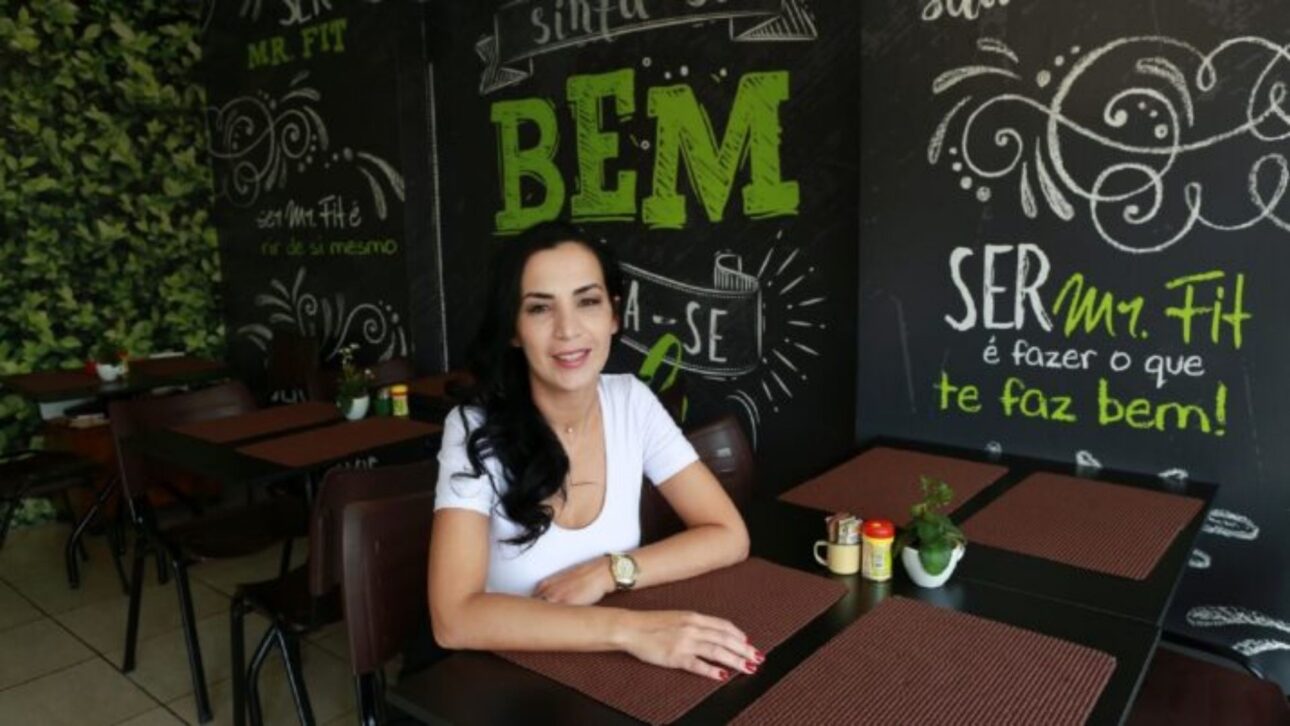
Contrary to what it seems, Camila was not a novice in the business world. Graduated in business administration, she interned in the franchising area during college and even worked as a consultant for franchise networks. In other words, before becoming an entrepreneur, she already understood from the inside how the model she would use in Mr. Fit works.
It was precisely this experience that helped her see a gap in the market. Concerned about her own diet, Camila felt the lack of practical and affordable healthy food options in her daily life. “I have always been concerned about having a healthy diet, but I noticed the absence of quick, affordable, and practical options,” she told Seu Dinheiro.
From this perception, she approached the idea methodically. To transform the concept of a healthy meal into a sellable product, Camila consulted about eight nutritionists, adjusting the menu to combine taste, balance, and affordable price. It wasn’t just a desire; it was a project designed to succeed as a business.
The first unit was born in the interior of São Paulo. In 2011, Mr. Fit opened its doors in Paulínia, São Paulo, starting modestly with the sale of salads. From that small starting point, years later, would emerge one of the largest healthy food chains in the country.
The idea that no one wanted and the sale of the car
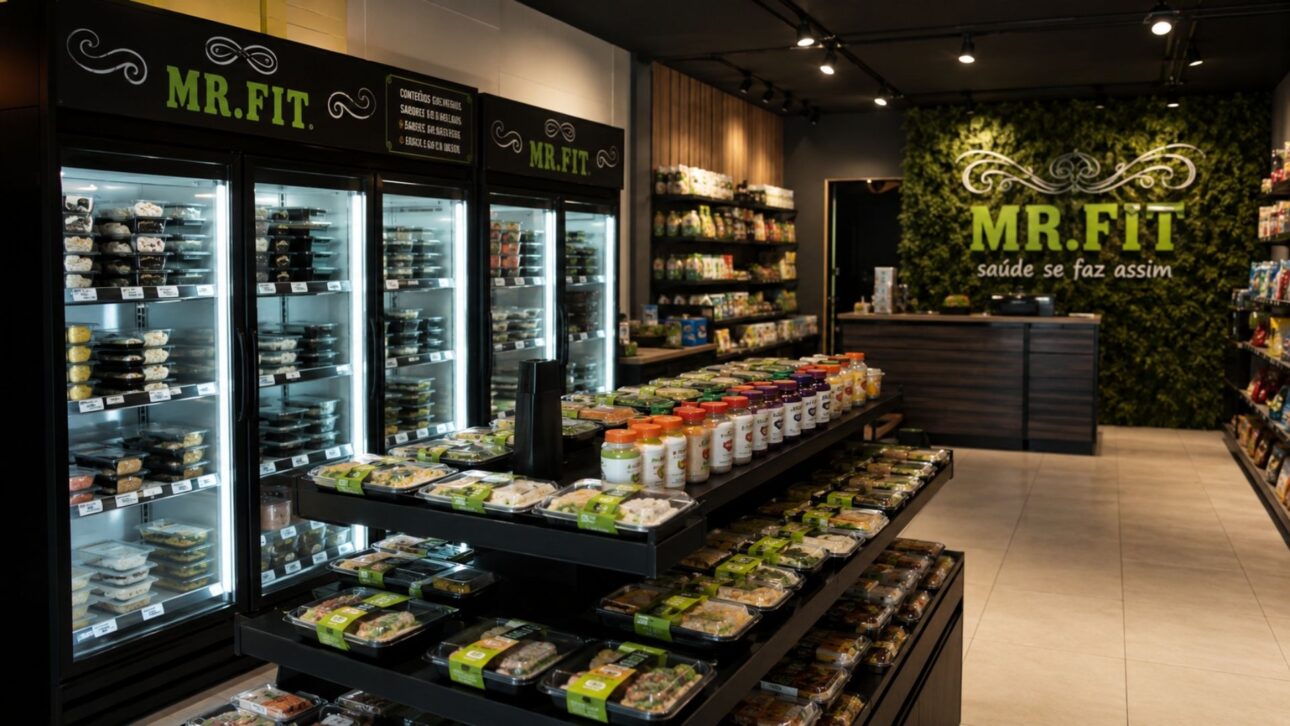
The most curious thing is that the idea of Mr. Fit almost didn’t leave the paper due to a lack of interest. As a consultant, Camila suggested the concept of healthy fast food to networks she worked with, but no one agreed to move forward. The market simply did not believe that healthy and fast food could become a big business.
Faced with rejection, she decided to bet on herself. Instead of waiting for someone to buy the idea, Camila decided to carry out the project on her own, even without extra capital. That was when the boldest decision in the entire history of the franchise came about.
To fund the dream, she parted with her most valuable asset. According to reports on the case, Camila sold the only asset in her name, a car valued at around R$ 40,000, and used the money to open the first healthy meal store. It was all or nothing.
This type of gamble explains why the story gained so much attention. Trading the car for an idea that everyone rejected is the kind of risk that usually goes wrong, but in the case of Mr. Fit, it became the foundation of a network with hundreds of stores. The market’s “no” ended up becoming fuel.
What is Mr. Fit and the concept of healthy fast food
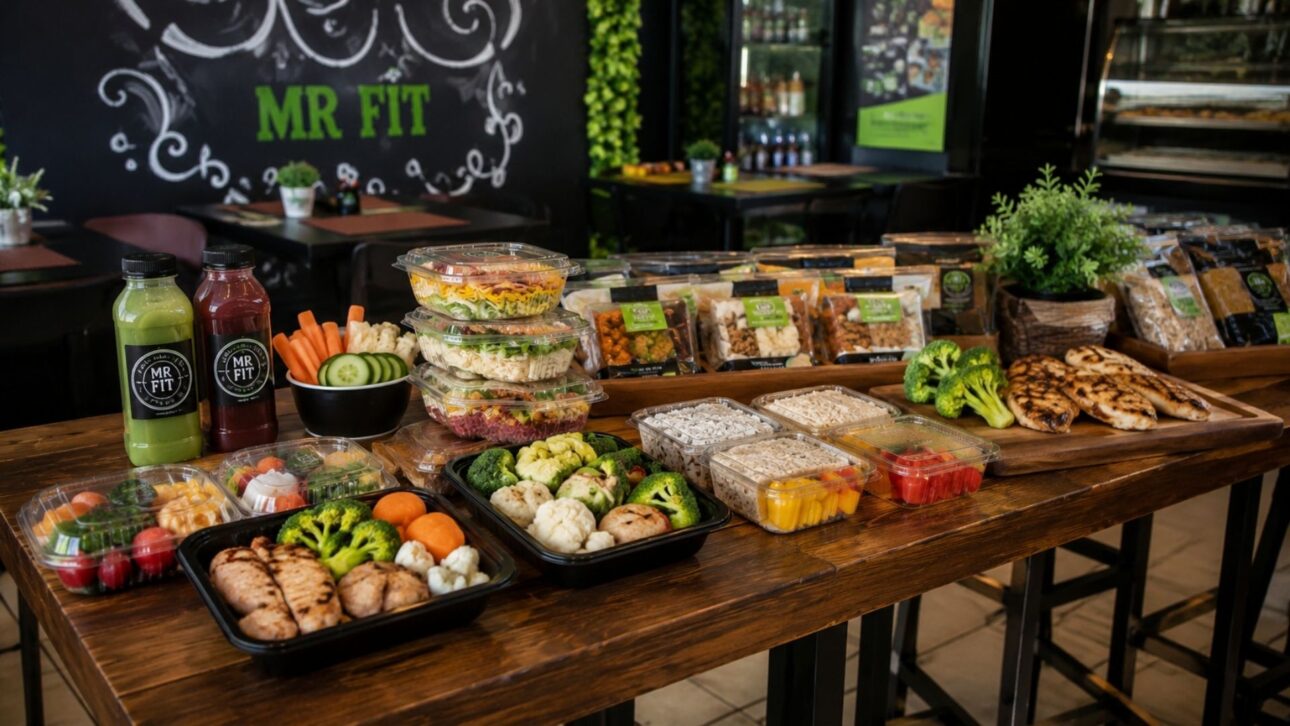
The proposal of Mr. Fit is to solve a common everyday problem. The network sells healthy food in a fast food format, with meals and practical dishes, designed for those who want to eat better without wasting time or spending much. It is an attempt to unite two worlds that used to be separate: health and convenience.
The menu has expanded over time. In addition to the fitness meals, the network began to offer sandwiches, wraps, juices, desserts, and even low carb and vegan options, broadening the audience. This variety helps each store to cater to both fitness clients and those who just want a lighter lunch during the day.
The menu revolves around balanced and affordable meals. Instead of high-calorie snacks, the customer finds options like fitness meals, salads, and dishes with calorie control, sold at prices that compete with traditional fast food. The idea is that eating well doesn’t have to be expensive or complicated.
This positioning helped the brand stand out in a competitive sector. By presenting itself as a mass healthy food network, and not a niche one, the Mr. Fit targeted the broad audience that wants convenience for lunch and dinner. That’s how the healthy meal stopped being an exception and became a scalable business.
Over time, the company positioned itself as a leader in the segment. The Mr. Fit presents itself as one of the largest, if not the largest, healthy food franchise in Brazil, precisely for having taken the concept to hundreds of cities. What started with salads in Paulínia became a national reference.
880 stores in 3 countries and R$ 200 million per year
The current numbers show the size the business has reached. Today, the Mr. Fit has about 880 stores, spread across Brazil and also in Portugal and Paraguay. From a single unit in the interior of São Paulo, the brand became an operation present in three countries.
To gauge the achievement, the comparison is worth it. Going from a single store, in 2011, to about 880 units in just over a decade is a rapid expansion pace even by franchising standards. Few food networks in the country grow so quickly starting from such a small business.
The revenue follows this growth. According to Seu Dinheiro, the network earns around R$ 200 million per year, with the goal of growing about 20% to reach R$ 240 million by 2025. These figures place the healthy meal on the same level as large food chains.
A good part of this result comes from delivery. The company claims that about 80% of sales happen through delivery apps, which makes sense for a product like the meal, purchased for everyday lunch or dinner. Betting heavily on delivery was a decision aligned with the current consumer behavior.
And the expansion plans don’t stop there. Besides the already consolidated operation in three countries, Mr. Fit is considering advancing to even larger markets, such as the United States. If realized, the network of stores that started from a sold car could gain even greater international scale. It would be the next chapter of a franchise that started defying all market expectations.
From microfranchise to physical point: how to enter the business
One of the secrets of Mr. Fit‘s growth is in the accessible franchise model. The network offers various investment formats, so that both those with little capital and those who want to open a larger point can enter the business. This flexibility helped multiply the number of stores.
At the cheaper end is the microfranchise. In this home office model, the franchisee invests from around R$ 6,000, works mainly with the delivery of meals and is included in delivery apps, without needing a commercial point. It is a low-cost entry point for entrepreneurship.
For those who want more structure, there are physical stores. These formats require investments starting from around R$ 50,000, including street points, kiosks, and larger operations, with more menu options and in-person service. The value varies according to the size and location of the store.
This ladder of models is part of the brand’s strategy. By allowing to start small and grow gradually, Mr. Fit attracts many first-time entrepreneurs, which explains the rapid multiplication of franchises. The accessibility of the investment is, in itself, a driving force of the business.
Behind this expansion is a support structure for the franchisee. The network usually offers training, a purchasing center, and menu standardization, which reduces the risk for those who have never run a business. This support is part of what makes a franchise spread quickly, as it reduces the chances of the store failing.
The refusal to sell Mr. Fit
The success of the network caught the attention of those who wanted to buy it. Years after its founding, with the brand already established, Camila received an offer to sell Mr. Fit. For many people, it would be time to pocket the profit and leave, after so much risk at the beginning.
But the founder decided to remain in charge. Convinced that the franchise still had much to grow, she refused the offer and preferred to stay at the helm of the business. The bet was that the best of the story was yet to come.
This choice reveals her confidence in her own project. Refusing a sale requires believing that the chain of stores is worth more in the future than the check offered in the present. It was the same conviction that made her sell the car at the beginning, now applied at a moment of the company’s maturity.
Time, so far, has proven the decision right. With the healthy meal box earning hundreds of millions and international expansion on the radar, keeping control of Mr. Fit proved to be a wise bet. The consultant that no one wanted to listen to became the owner of one of the largest businesses in the sector.
Why the healthy meal box became a big business
The success of Mr. Fit accompanies a change in people’s behavior. In recent years, the search for healthy eating has grown significantly, with more people concerned about controlling calories, eating better, and staying in shape. This movement created space for products like the fitness meal box.
The healthy food market has become one of the hottest in the sector. Driven by the pursuit of well-being, it grows year after year and attracts large investments, from supermarkets to delivery services. It was in this wave that Mr. Fit positioned itself early, when the healthy meal box was still viewed with skepticism by the market.
At the same time, delivery exploded in Brazil. The popularization of delivery apps changed the way people have lunch and dinner, favoring precisely those who sell ready meals. A franchise of meal boxes that bets on delivery rides directly on this wave.
There is also the issue of price and practicality. By offering healthy food at competitive prices and with fast delivery, Mr. Fit eliminates two of the biggest barriers in this market: high cost and lack of time. It was this combination that turned a niche into a mass business.
Finally, the franchise model accelerated expansion. Instead of opening everything alone, the company used franchisees to reach hundreds of cities quickly, multiplying the stores with shared investment. The combination of consumption trend and franchise model explains much of the growth.
What this has to do with Brazil
The story of Mr. Fit fits in a country passionate about franchising. Brazil is one of the largest franchising markets in the world, with thousands of brands and a sector that moves hundreds of billions of reais per year. Cases like Camila’s show why so many people dream of having their own business under a known brand.
The sector’s numbers reinforce this scenario. According to the Brazilian Franchising Association, the country has thousands of franchised brands and hundreds of thousands of stores, generating millions of jobs. Amidst this universe, Mr. Fit is an example of how a business born small can scale through franchising.
The case also highlights female entrepreneurship. In a business environment still dominated by men, seeing a woman build a network with hundreds of stores starting from a sold car serves as a reference. Her journey resonates with thousands of Brazilian women who run small and medium enterprises.
There is also a strong connection with the culture of lunchboxes and delivery. In Brazil, the lunchbox is a deeply popular habit, from the worker who brings food from home to the customer who orders through an app. Mr. Fit managed to turn this custom into a standardized and scalable product.
Finally, there is a lesson about access to entrepreneurship. Microfranchise models, which start with just a few thousand reais, show a possible path for those who want to open a business without large capital. In a country with so many people seeking extra income, the formula of Mr. Fit has evident appeal.
Camila Miglhorini’s journey shows how market vision and courage can turn into a great business. She sold her car for R$ 40,000, ignored everyone’s “no,” and built Mr. Fit, a healthy lunchbox franchise that today has about 880 stores in three countries and earns R$ 200 million per year, eyeing even larger markets.
And you, would you have the courage to bet everything on an idea that everyone rejected? Share in the comments what you thought of Mr. Fit‘s story and whether you believe the healthy lunchbox still has a lot of room to grow as a business in Brazil.


