Portuguese
  Spanish


Live chicken gains purchasing power in São Paulo with cheaper feed, while egg prices fall due to weakened demand in June.
The purchasing power of live chicken producers in the state of São Paulo accumulated its third consecutive month of growth, driven by reduced production costs throughout June 2026. Conversely, egg prices showed a downward trend in the main regions surveyed by the Center for Advanced Studies in Applied Economics (Cepea).
The devaluation in the laying sector concentrated in the second half of the month, pressured by a decline in consumer demand, a scenario considered common for the period. To keep goods circulating and avoid stagnant stocks, farms applied discounts on sales, while the broiler segment benefited from cheaper grains.
Falling feed costs and the broiler market in São Paulo
The retraction of grain buyers during the harvest period was the main factor in lowering the trading value of corn.
-
iFood Takes 99Food and Keeta to Brazil’s Antitrust Authority Over Aggressive Discounts and Prolonged Losses, Raising Concerns of a New Delivery Market War

-
Brazilian Brothers Transform Dairy Business into Latin America’s Best Cheese, Boosting Revenue from $80,000 to $4 Million

-
He Left Construction, Partnered with His Wife, and Turned a Homemade Gelato Hobby into Brazil’s Largest Chain with 240 Stores and $100 Million Annually
-
Brazil Faces Caregiver Shortage Despite Having 34.1 Million Elderly, Highlighting a Major Challenge for Families


Similarly, soybean meal recorded losses in its quotations due to the expansion of the byproduct supply. This combination significantly eased the operational expenses of São Paulo’s broiler farmers.
With cheaper inputs and the appreciation of live animals, the exchange capacity of breeders in June reached high levels.
According to consolidated data by Cepea, the sale of one kilogram of live chicken allowed for the conversion into inputs in the following proportions:
- 4.82 kilograms of corn: An increase of 3.9% compared to the averages recorded in May.
- 3.06 kilograms of soybean meal: A growth of 3.7% compared to the previous month, consolidating the best purchasing result since November 2025.
In nominal terms, the price per kilogram of live chicken in the São Paulo market maintained an average of R$ 5.12 in negotiations computed until June 24.
This level represented an evolution of 1.1% compared to May’s indices, although the pace of gains slowed down at the end of the month due to a slightly lower demand for new batches of poultry.
Weakened demand pressures egg prices
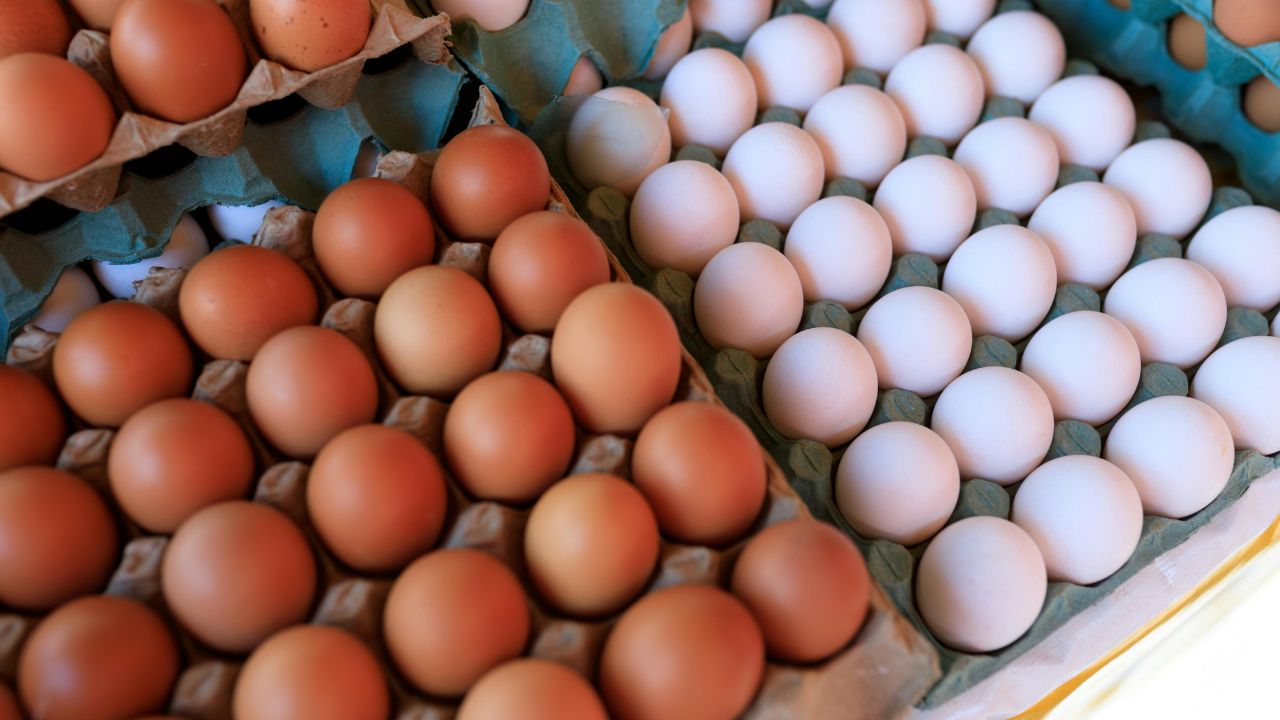
The calm on the consumer side reversed the price stability that the egg sector had been maintaining in the first half of the month. The weakening of purchases in the second half of June increased the pressure on farm price lists, making it difficult to maintain previous levels.
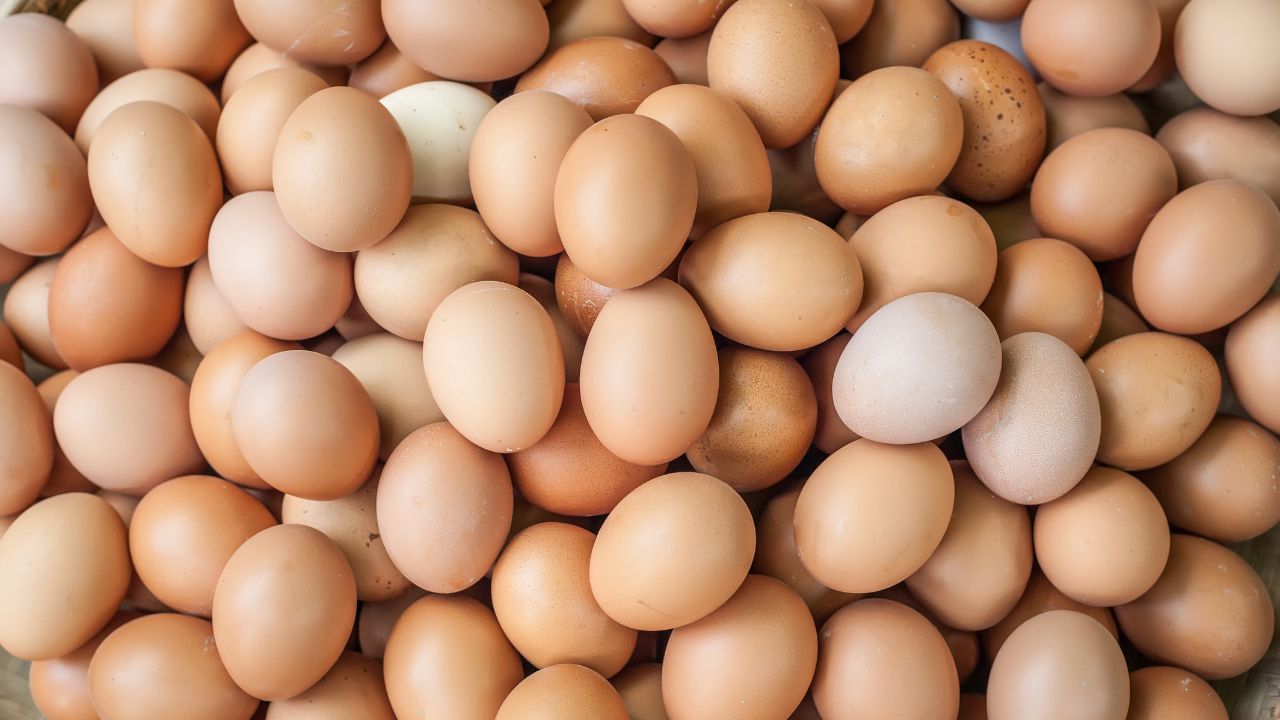
Now, the attention of the laying market is fully focused on the start of the school holiday recess, a time that historically tends to reduce demand for food in the country.
Discard planning to try to stabilize prices
As a preventive response and in an attempt to prevent further financial losses, breeders from different production hubs have started to organize practical actions to control the internal volume of goods.
The central strategy consists of accelerating and scheduling the discard of batches of older laying hens. The intention of the farms with the removal of these birds from circulation is to reduce the wholesale supply of products.
Thus, the production sector seeks to readjust the volume of boxes available to the temporarily lower consumption reality, with the aim of supporting egg prices in the coming weeks.
Source: Agro em Campo