






 Portuguese
  Spanish
  3 min of reading
  0 comments


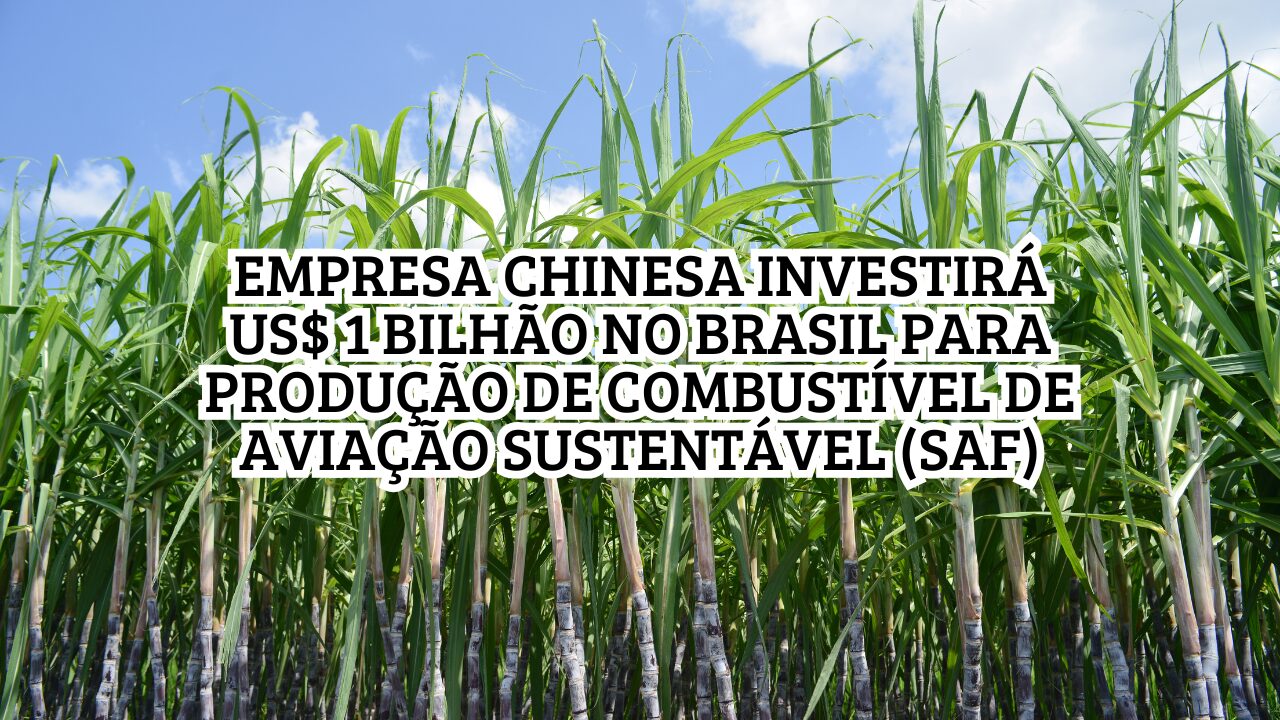
Chinese Company Envision Bets on Sugarcane to Develop SAF (Sustainable Aviation Fuel) in Brazilian Soil and Strengthens Energy Partnership with the Country.
The Chinese multinational Envision Energy announced a US$1 billion investment in Brazil, focusing on the production of sustainable aviation fuel (SAF) from sugarcane.
The initiative, announced this Monday (12) by the Palácio do Planalto, aligns with the commitments made during President Luiz Inácio Lula da Silva’s official visit to China and solidifies Brazil as a key player in the global energy transition.
Envision’s proposal aligns with global strategies for sustainable solutions in the air transport sector, reducing carbon emissions and fostering innovation based on renewable raw materials.
-
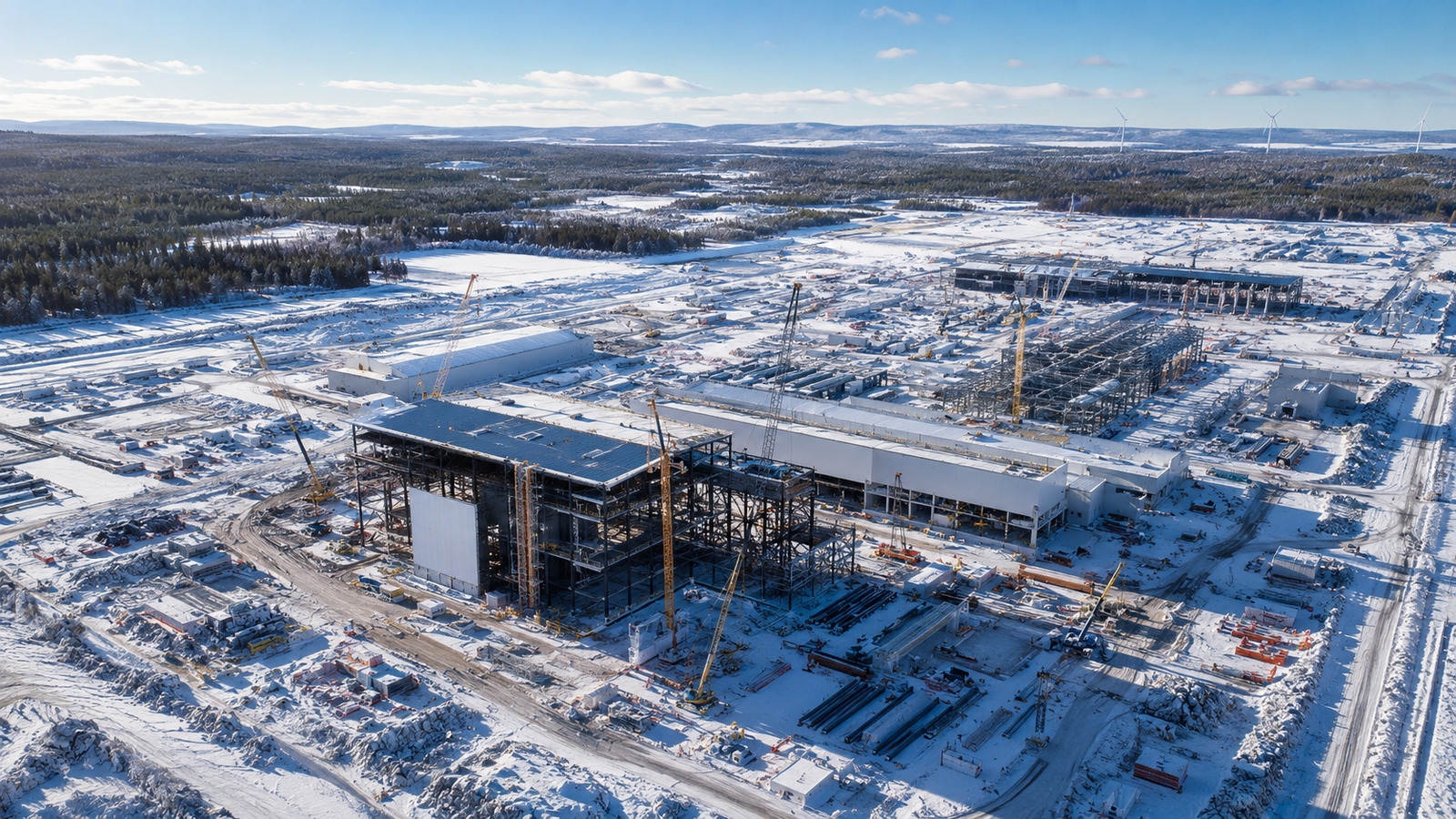
US$ 7 billion, green hydrogen, and steel with up to 95% less CO₂: the first green steel plant on the planet emerges in Sweden and targets Brazil as the next chapter

-
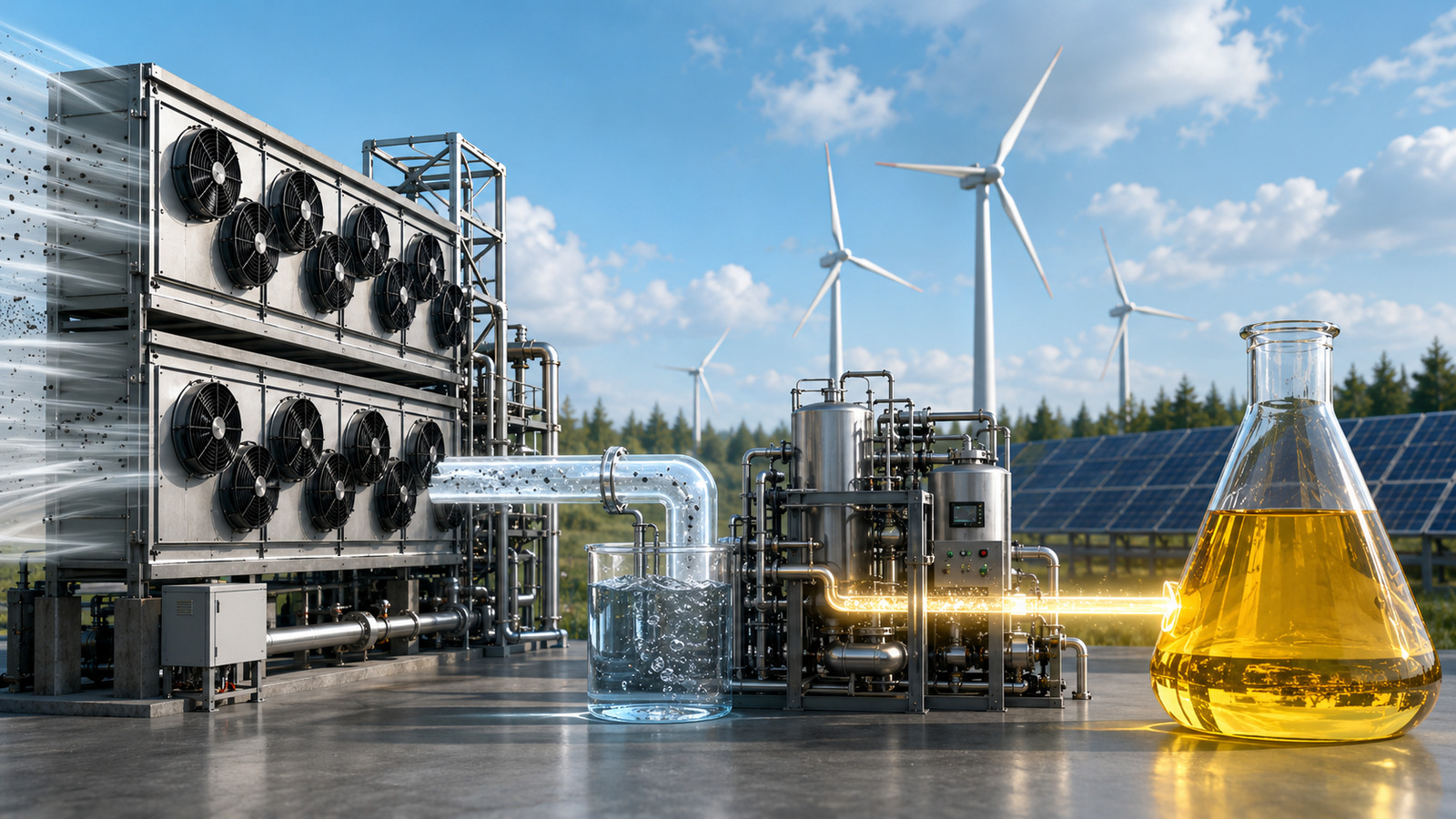
Swedes manage to create synthetic fuel with CO₂, water, and renewable energy, compatible with current engines, but face a huge problem: the energy expenditure is still double the return.
-
Brazil begins to transform wheat, residues, sweet potatoes, and soy molasses into ethanol, in a new phase of biofuels that seeks to utilize leftovers from the field and industry to fuel flex-fuel cars.

-
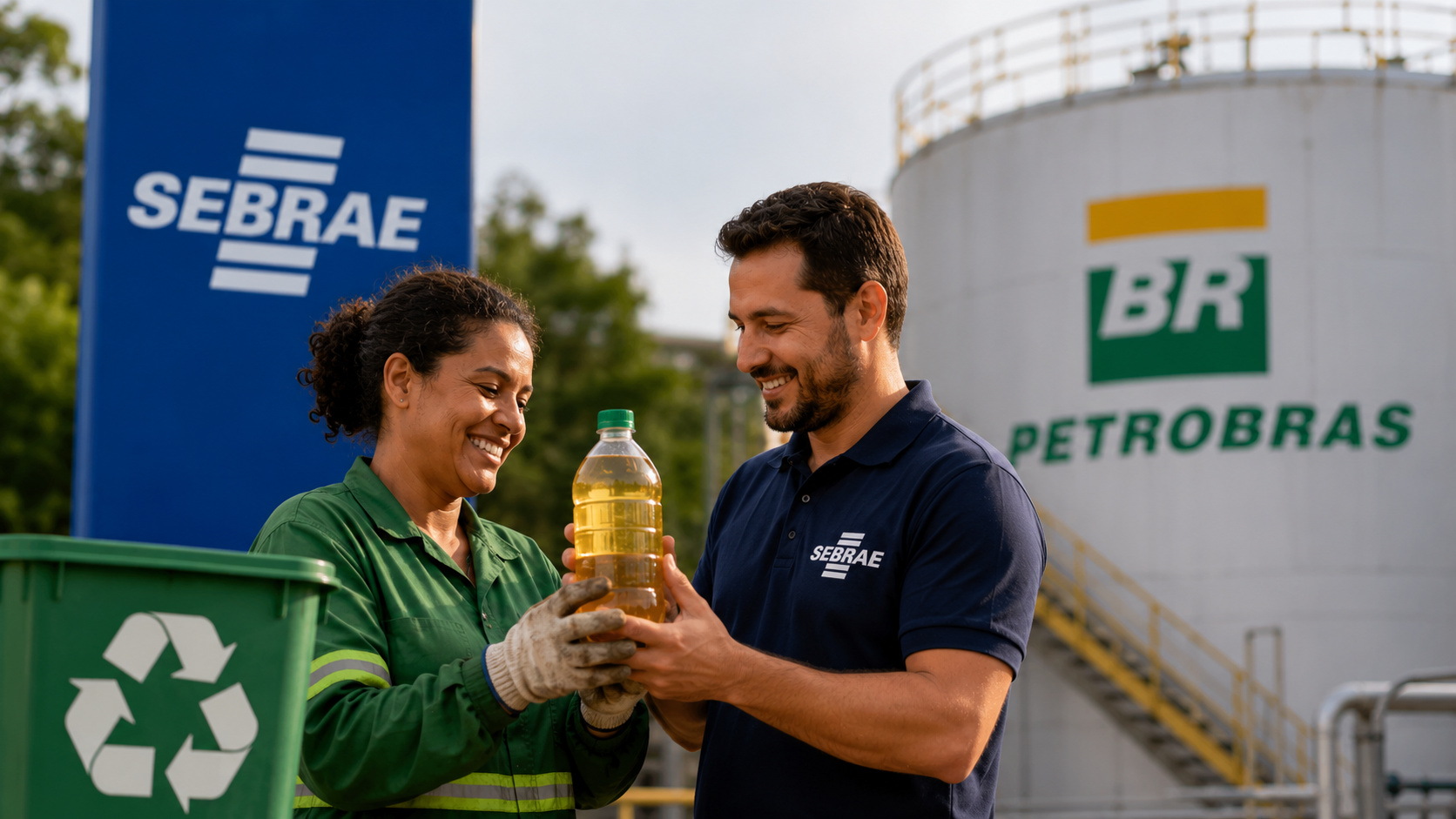
Sebrae and Petrobras join forces in Ceará to include waste pickers in the circular economy and strengthen the biofuel chain, creating new income opportunities and expanding the sustainable use of waste with a direct impact on regional development.


The financial and technological investment will be crucial to boost the national production of SAF, positioning Brazil prominently in this new market.
Envision’s Strategic Bet on Brazil
Envision Energy is globally recognized as a leader in green technology, operating in the sectors of smart wind turbines, energy storage, and green hydrogen.
With sustainable operations spread across multiple countries, the company has been seeking solutions to accelerate the decarbonization of the global energy matrix.
In Brazil, the choice of sugarcane as the basis for SAF reinforces the agricultural potential of the country and its leading role in bioenergy.
The initiative is expected to generate jobs, foster research, and attract new partnerships in the clean energy production chain.
Brazil-China Cooperation Expands with New Energy Projects
In addition to Envision’s investment, Lula’s visit to China also resulted in other important partnerships.
One of the highlights was the announcement of an agreement between the state-owned Windey Technology and Senai Cimatec, focused on developing solutions in renewable energy and energy storage.
A new research and development center will be established in Brazil to accelerate this technological collaboration.
These agreements strengthen ties between Brazil and China in the energy sector, positioning the South American country as a strategic recipient of investments in green innovation.
The Brazilian government took advantage of the trip to China to negotiate investments in digital infrastructure.
The Minister of Mines and Energy, Alexandre Silveira, revealed that companies like TikTok plan to invest up to R$50 billion in Ceará, particularly in building data centers at the Port of Pecém.
The project involves a partnership with Casa dos Ventos and could reach 1 GW of energy capacity, integrating with the growing demand for clean technology and connectivity in Brazil.
Envision’s Sustainable Commitments
Envision not only invests in cutting-edge technology but also maintains strong commitments to sustainability.
The company achieved carbon neutrality in its global operations by 2022 and aims to extend this achievement to its value chain by 2028. By joining the Science Based Targets initiative (SBTi), it reaffirms its role in the fight against climate change.
With this new phase of investments, Envision strengthens its international presence and decisively contributes to the advancement of a cleaner and more efficient energy future.





Be the first to react!