






 Portuguese
  Spanish



The new frontier of Brazilian ethanol no longer depends only on sugarcane and corn: companies are studying and producing fuel from winter cereals, agricultural surpluses, and residues that previously had low commercial value.
Brazilian ethanol, known worldwide for sugarcane and the recent advance of corn, is beginning to take on a new face. Now, the fuel that powers millions of flex-fuel vehicles in the country can also come from wheat, barley, triticale, sweet potatoes, food waste, soybean molasses, and even agave.
The movement was described by Reuters as a “third wave” of ethanol in Brazil. The first was driven by sugarcane. The second, by corn. The new stage attempts to transform regional raw materials, agricultural surpluses, and residues into fuel, expanding the reach of an industry estimated at around $20 billion.
The change is noteworthy because it is not just about producing more ethanol. What is at stake is a reorganization of the biofuels chain, with new factories, new products, utilization of leftovers, and an attempt to reduce dependence on a few raw materials.
-
US$ 7 billion, green hydrogen, and steel with up to 95% less CO₂: the first green steel plant on the planet emerges in Sweden and targets Brazil as the next chapter

-
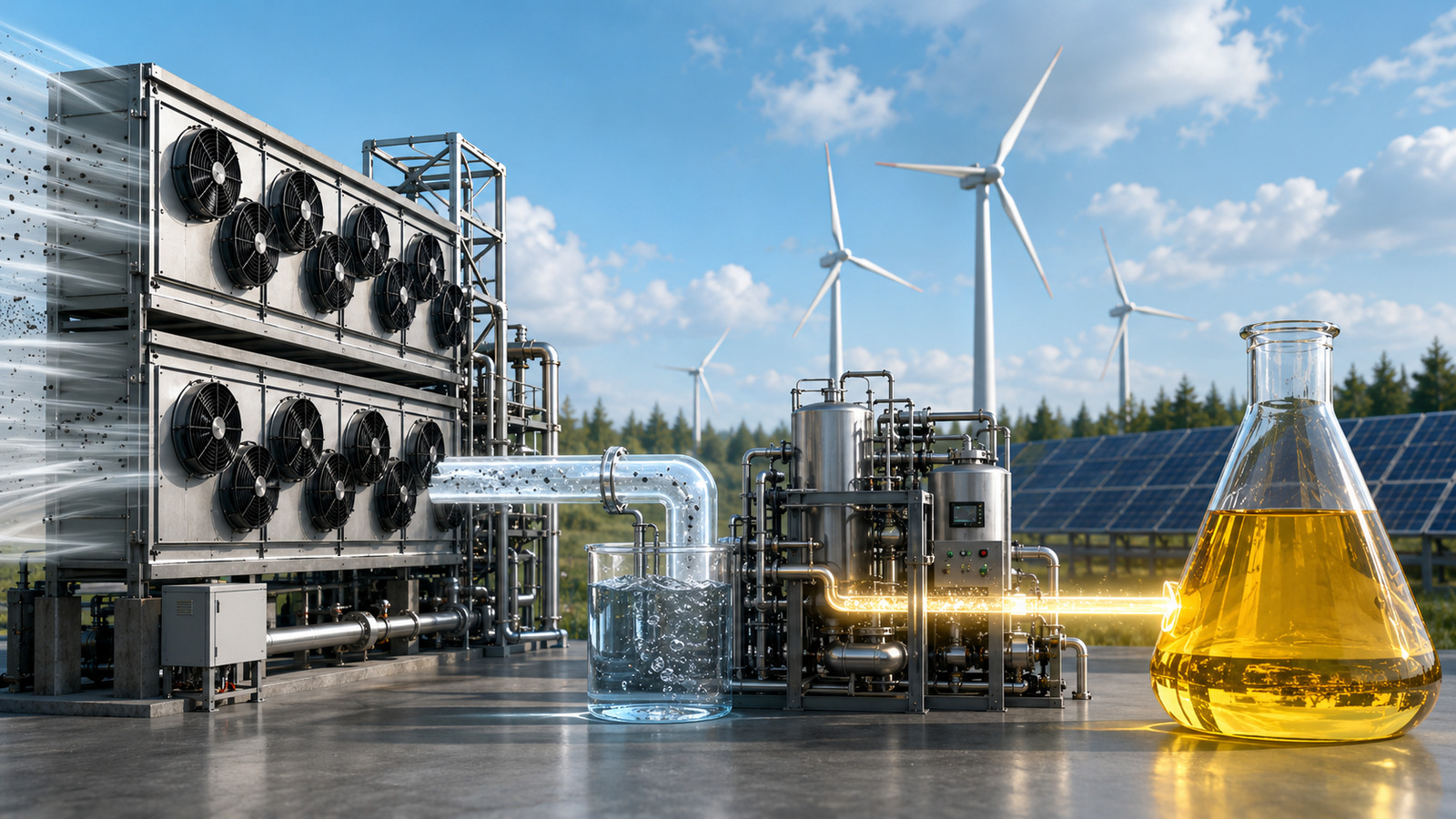
Swedes manage to create synthetic fuel with CO₂, water, and renewable energy, compatible with current engines, but face a huge problem: the energy expenditure is still double the return.
-
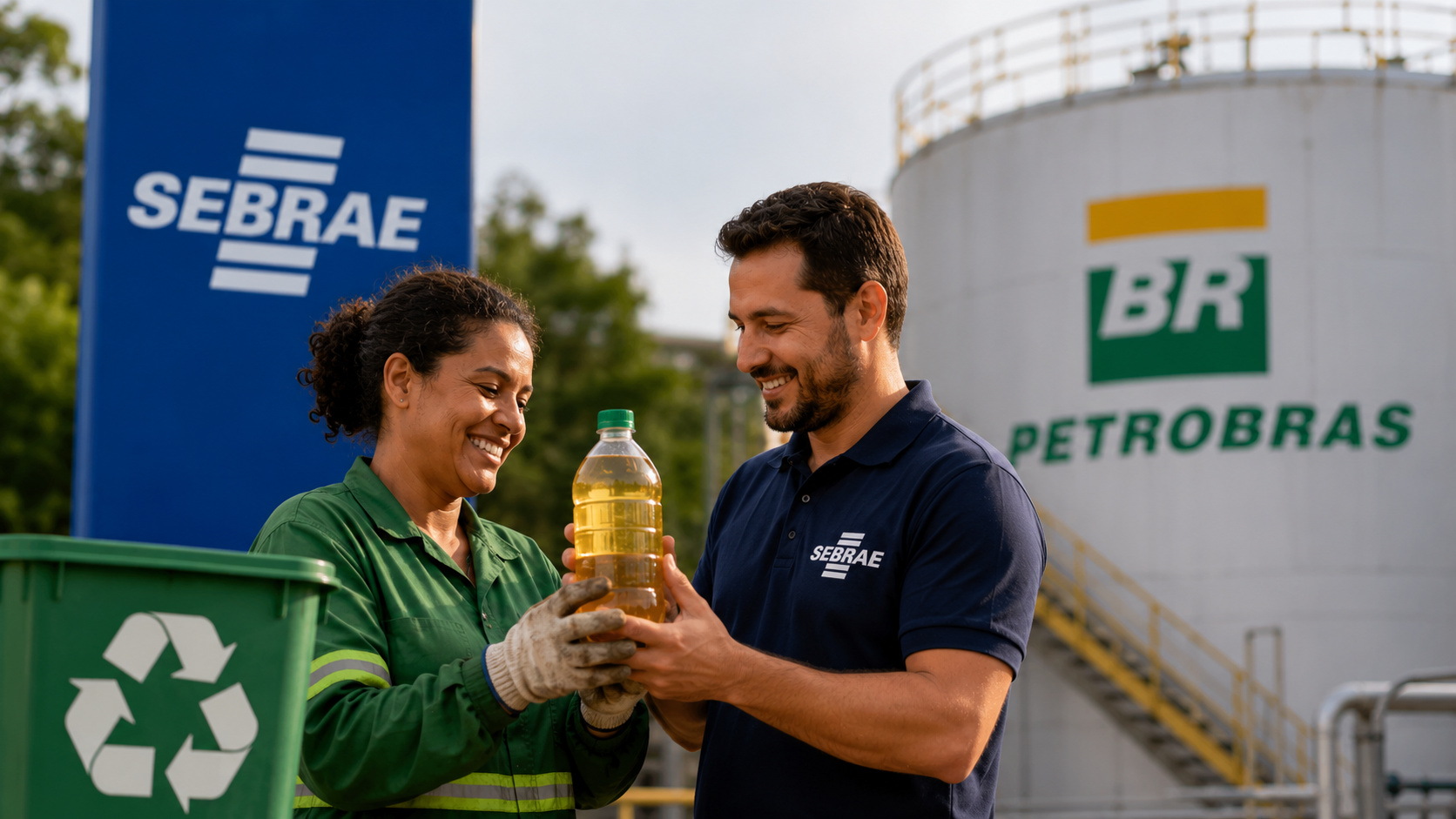
Sebrae and Petrobras join forces in Ceará to include waste pickers in the circular economy and strengthen the biofuel chain, creating new income opportunities and expanding the sustainable use of waste with a direct impact on regional development.

-
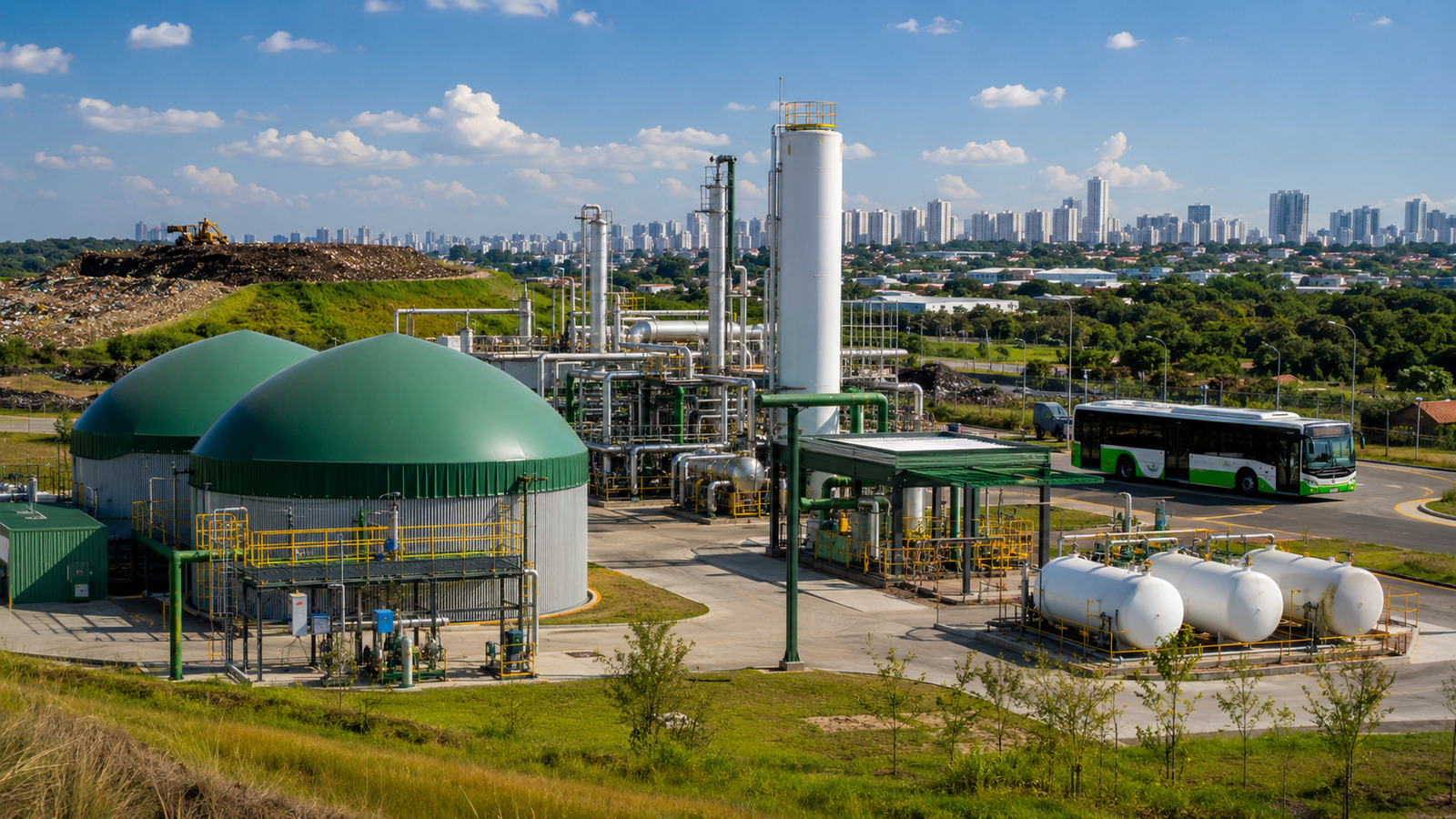
São Paulo teaches the world about biomethane: record production can supply 2.8 million homes and replace 4,000 diesel buses

After sugarcane and corn, Brazil tries to open the third wave of ethanol with wheat, residues, sweet potatoes, and soy
Sugarcane still reigns in Brazilian ethanol. According to data cited by Reuters based on EPE, about 28.5 billion liters, or 71% of the national ethanol production in 2026, should come from sugarcane.
Another 11.2 billion liters should come from agricultural products such as corn, soy, wheat, and other cereals. It is in this space that the dispute for the new frontier of the sector begins.
The logic is simple: if Brazil already has one of the largest biofuel structures in the world, why depend only on traditional routes? Instead of looking only at sugarcane fields and corn crops, companies are starting to observe winter cereals, food leftovers, and industrial by-products that previously had limited value.
This is where the topic gains strength. Ethanol ceases to be just a story of traditional farming and starts to enter the field of circular economy, industrial innovation, and energy security.
R$ 1.7 billion plant in Rio Grande do Sul wants to transform wheat into fuel

One of the strongest projects of this new phase comes from Be8, a company known in the biodiesel sector. The company is investing R$ 1.7 billion in a biorefinery in Passo Fundo, Rio Grande do Sul, aimed at producing ethanol from wheat and other winter cereals.
The plant has a planned capacity of 220 million liters per year. The operation is also expected to produce DDGS, used in animal feed, as well as vital gluten, an input used by the food industry.
The project marks an important change for Rio Grande do Sul. The state was left out of the first major ethanol wave, dominated by sugarcane, and also did not have the same prominence in the second wave, marked by corn in the Midwest.
Now, the bet is to use what the region has in abundance: wheat and winter cereals. Instead of competing with the large traditional hubs, the state is trying to create its own route to enter the biofuels chain.
Wheat that once went to flour now enters the biofuels race
Wheat is almost always associated with bread, pasta, flour, and food products. But, on this new route, it is also seen as an energy raw material.
The idea is not to replace food use, but to create an industrial alternative for grains and cereals that can be directed to a biorefinery. Besides fuel, the process allows for the generation of commercially valuable co-products, such as bran for animal feed and vital gluten.
This changes the economic equation. Ethanol production is no longer seen only as a fuel output and starts to function as an industrial complex, capable of transforming the same raw material into different products.
For agricultural regions, this type of project can open new markets for producers, reduce losses, and create demand for winter crops.
Even sweet potatoes that could remain in the field enter the fuel route
Sweet potatoes also appear on this new list of raw materials. According to Reuters, producers in São Paulo have found a way to transform sweet potato surpluses into ethanol and animal feed.
The point draws attention because part of this production may end up staying in the field when the harvest is not economically viable. Instead of being discarded or losing value, the surplus can become fuel.
This is one of the strongest images of the new phase: a common raw material, linked to everyday food, entering an energy chain.
The logic is similar to that of other agricultural waste. What once seemed like surplus, loss, or waste can be transformed into an industrial product.


Food waste and even discarded syrups have already become ethanol on a smaller scale
The new wave is not limited to crops. Food waste also appears on the radar.
Reuters cites the case of Ambipar, which produces about 2.4 million liters of ethanol per year from food waste, including soft drink syrups and other industrial discards.
The volume is still small compared to national production, which revolves around tens of billions of liters. Even so, the example has great symbolic strength.
It shows that the ethanol chain can advance beyond the field and enter factories, disposal centers, and industrial flows that were previously treated only as an environmental problem or operational cost.
For the average reader, the image is straightforward: trash and waste that could be discarded start to fuel vehicles.
Soy molasses expands the list and shows that agriculture can extract more value from the same chain
Another unexpected ingredient in this transformation is soy molasses, a byproduct of oilseed processing.
Companies like Caramuru and CJ Selecta are cited by Reuters as examples of processors seeking to extract more value from soy by transforming this byproduct into ethanol.
Brazil is already a global powerhouse in soy. Therefore, any new industrial application linked to the chain draws attention. Soy molasses shows that the competition is not just in grain production, but in leveraging every stage of processing.
Instead of focusing only on oil, meal, and export, the industry begins to see new paths to generate fuel and add value within the country itself.
Agave, sorghum, rice, and other crops enter the radar of the new frontier

The list of possibilities continues to grow. In addition to wheat, sweet potato, residues, and soybean molasses, raw materials such as sorghum, rice, and agave also appear.
Reuters reported that Shell invests R$ 100 million to study whether agave, a plant associated with the production of tequila and mezcal, can be used as a raw material for biofuels in semi-arid regions of northern Brazil.
This point further broadens the story. The new wave of ethanol is not limited to a single crop or region. It tries to adapt fuel production to the reality of different parts of the country.
In areas where sugarcane or corn are not the best answer, other biomasses can take up space. It is an attempt to turn agricultural diversity into an energy advantage.
The demand for ethanol grows while the country discusses a higher blend in gasoline
Diversification comes at a strategic moment. EPE projects growth in ethanol supply in the coming years, and Brazil is already discussing further increasing the participation of biofuel in gasoline.
The mandatory blend of anhydrous ethanol in gasoline increased from 27% to 30%. The government is also considering raising this percentage to 32%, which could increase annual demand by about 1 billion liters, according to an estimate cited by Reuters.
This scenario helps explain why new raw materials are being tested. The greater the demand, the greater the pressure for supply. And the greater the necessary supply, the more important it becomes to find alternative routes.
Sugarcane remains central. Corn continues to gain ground. But the new phase tries to answer a bigger question: where will the additional ethanol come from if consumption continues to grow?
The new wave can create opportunities, but also raises an alert for excess supply
The advancement of new raw materials does not come without tension. The expansion of ethanol can create opportunities for producers, industries, and regions that were previously outside this chain.
At the same time, it can also pressure the market. If production grows too fast, there is a risk of excess supply at certain times, impacting prices and margins.
This is the central conflict of the new phase. Brazil wants to expand biofuel production, utilize residues, add value to agriculture, and reduce dependencies. But it needs to balance this expansion to avoid turning opportunity into imbalance.
The third wave of ethanol, therefore, is not just an industrial curiosity. It can reshape part of the Brazilian energy chain.
The fuel that started associated with sugarcane, advanced with corn, and now reaches wheat, sweet potato, soybean molasses, and food waste shows that Brazil is facing a new era in biofuels.
The question that remains is how far this new frontier can go: whether it will be just a regional complement or if it will become an important piece in the country’s energy strategy.








Be the first to react!