






 Portuguese
  Spanish
  6 min of reading
  0 comments


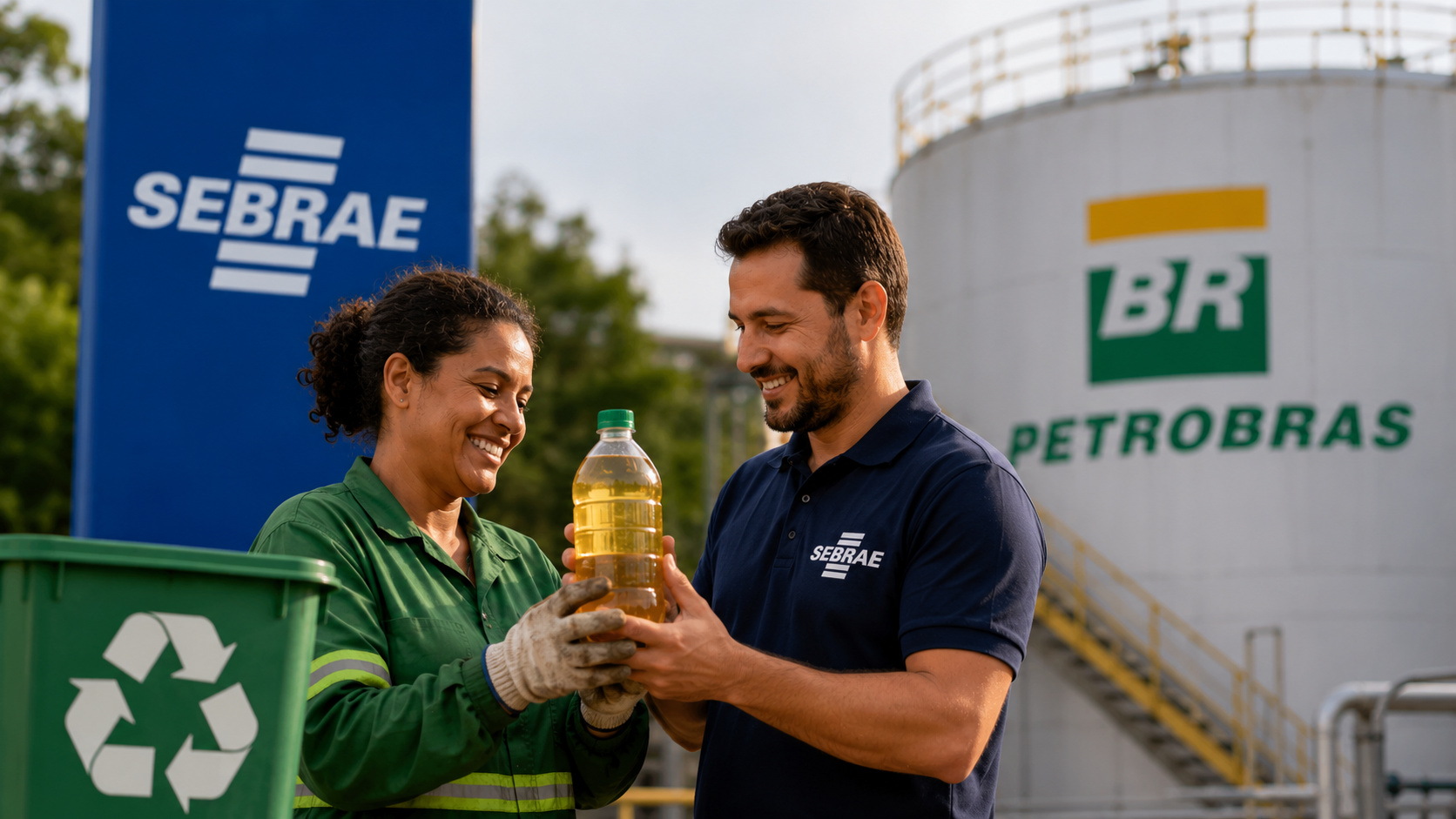
Sebrae and Petrobras launch initiative in Ceará to train waste pickers, expand recycling, and strengthen sustainable biofuel production.
Sebrae and Petrobras Biocombustível (PBio) took an important step to strengthen the circular economy in Ceará by signing a protocol of intentions aimed at expanding the biofuel production chain from the collection of used cooking oil.
According to information from the Sebrae Agency on May 29, 2026, the agreement was formalized during the MEI Week 2026, held in Fortaleza, and focuses on the productive inclusion of waste pickers, income generation, and sustainable waste reuse.
The initiative seeks to connect sustainability, economic development, and social impact. In addition to increasing the participation of waste pickers in the biofuel chain, the partnership provides for training, innovation, and strengthening of cooperatives working in recycling and selective collection.
-
US$ 7 billion, green hydrogen, and steel with up to 95% less CO₂: the first green steel plant on the planet emerges in Sweden and targets Brazil as the next chapter

-
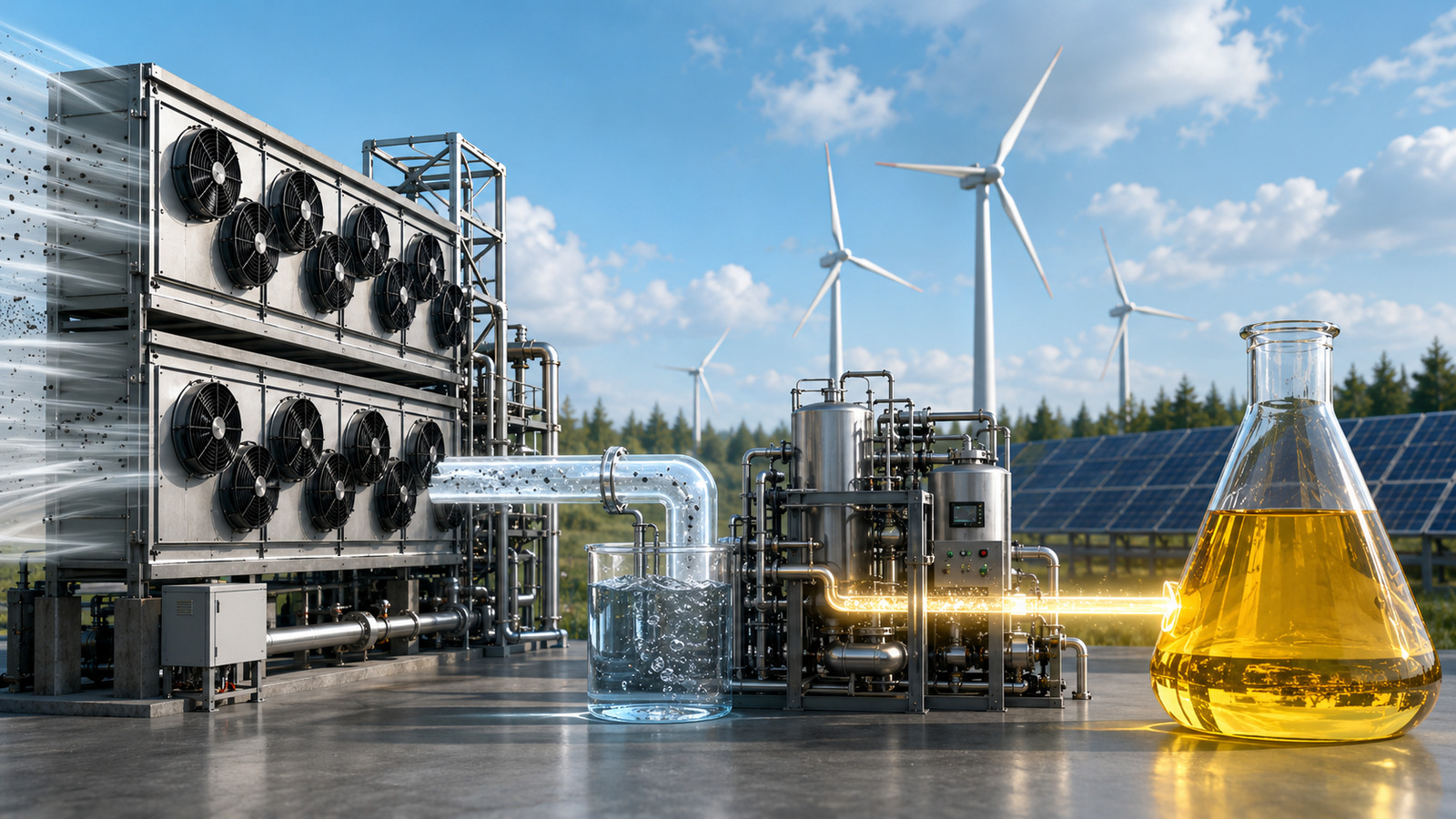
Swedes manage to create synthetic fuel with CO₂, water, and renewable energy, compatible with current engines, but face a huge problem: the energy expenditure is still double the return.
-
Brazil begins to transform wheat, residues, sweet potatoes, and soy molasses into ethanol, in a new phase of biofuels that seeks to utilize leftovers from the field and industry to fuel flex-fuel cars.

-
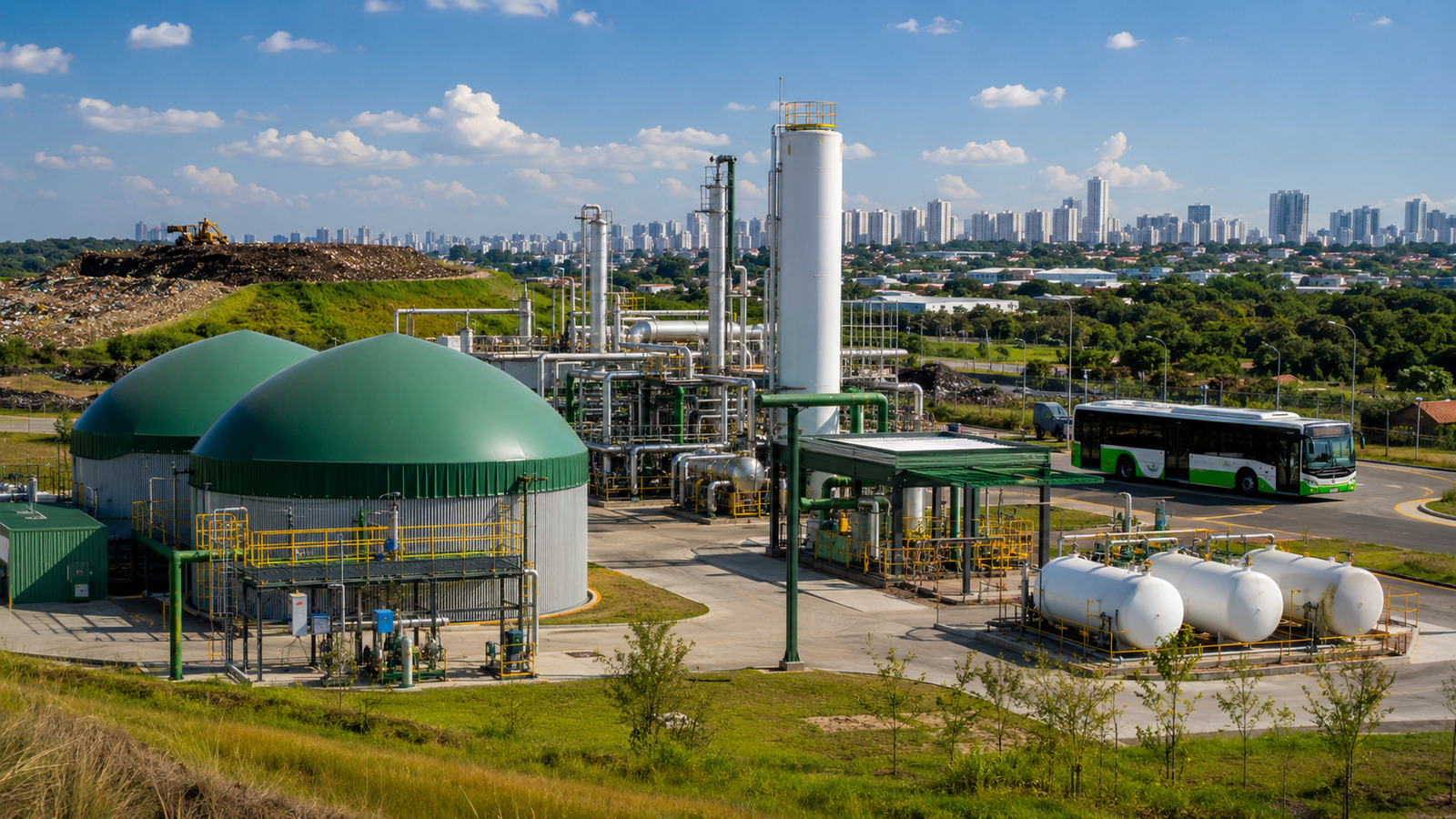
São Paulo teaches the world about biomethane: record production can supply 2.8 million homes and replace 4,000 diesel buses


Sebrae and Petrobras create new front to boost biofuels
The partnership between Sebrae and Petrobras was announced during the launch of the Pró-Catadores Ceará Project, held at the Sebrae Ceará headquarters, in Praia de Iracema, Fortaleza. The event brought together representatives from public institutions, environmental organizations, and entities related to the circular economy.
The main objective is to expand the collection of used cooking oil to transform it into raw material for biofuel production. At the same time, the initiative aims to increase the participation of waste pickers in this production process, creating new economic opportunities.
The proposal also strengthens the connection between sustainable development and income generation, two themes that are gaining increasing relevance on the national scene.


Ceará strengthens circular economy with inclusion of waste pickers
Ceará has recorded initiatives focused on sustainability and waste reuse. In this context, the new partnership emerges as a strategy to strengthen the circular economy and expand the social benefits of recycling.
Waste pickers occupy a fundamental position in this process. They are the ones who work directly in the collection and separation of materials that return to the production chain, reducing environmental impacts and contributing to the preservation of natural resources.
Among the expected benefits are:
- Increase in income generation for recycling workers;
- Strengthening of waste pickers’ cooperatives;
- Greater volume of reused waste;
- Expansion of used cooking oil collection;
- Growth in biofuel production.
The expectation is that the initiative will generate positive results for both the environmental sector and the regional economy.
Projeto Pró-Catadores Ceará expands income opportunities
The signing of the protocol took place during the official launch of the Projeto Pró-Catadores Ceará. The initiative seeks to strengthen the role of cooperatives and expand the productive inclusion of workers who depend on recycling as a source of livelihood.
During the event, the president of Sebrae, Rodrigo Soares, highlighted the importance of combining economic development, sustainability, and the appreciation of professionals working in recycling. According to him, strengthening cooperatives is an important path to improving the quality of life for these workers.
The proposal involves practical actions aimed at organization, training, and access to new business opportunities, creating a more favorable environment for the growth of cooperatives.
Training and innovation gain space in Sebrae’s actions
One of Sebrae’s main contributions will be the development of training programs aimed at waste pickers and participating cooperatives.
The institution intends to support the professionalization of the sector through training, consulting, and guidance on business management. The goal is to increase the operational efficiency of cooperatives and create conditions for them to expand their participation in the biofuel chain.
Among the areas that should receive attention are:
- Financial management;
- Entrepreneurship;
- Strategic planning;
- Waste commercialization;
- Good environmental practices;
- Development of new business models.
Qualification is seen as an essential factor to increase competitiveness and ensure better economic results.
Petrobras expands project that has been operating for about two years
Petrobras Biocombustível has been developing projects for collecting used cooking oil in partnership with cooperatives for approximately two years. With Sebrae joining the initiative, the expectation is to significantly expand the reach of the actions.
The president of PBio, Alex Gasparetto, highlighted during the ceremony that the union between the institutions should accelerate the inclusion of waste pickers in the biocombustible production chain.
The reuse of residual oil presents important environmental advantages. Besides preventing improper disposal, the material can be converted into renewable fuel, adding economic value to a waste that would normally be discarded.
Waste pickers’ cooperatives gain institutional support
The rapprochement between the institutions was also celebrated by sector leaders. The president of the Network of Recyclable Solid Waste Pickers of the State of Ceará, Leina Duarte, emphasized the importance of building projects together with the workers who are daily engaged in recycling.
According to her, initiatives structured with the direct participation of waste pickers tend to generate more consistent results aligned with the real needs of the cooperatives.
This institutional strengthening can represent an important advancement for hundreds of workers who depend on the activity to support their families.
Used oil collection strengthens the biocombustible chain
The production of biocombustibles from used cooking oil is gaining ground by combining economic and environmental benefits.
When improperly discarded, the oil can cause various environmental problems, including watercourse contamination and damage to sewage systems. Therefore, expanding its collection and recycling is considered an important step for urban sustainability.
By transforming this waste into renewable fuel, the production chain creates economic value and reduces environmental impacts. In this scenario, Ceará assumes a strategic position within initiatives related to the circular economy.
ProjetoZRO transforms plastic waste into new products
Besides the agenda related to waste pickers and biocombustibles, Rodrigo Soares also visited the production unit of ProjetoZRO in Fortaleza.
The initiative is developed by Sebrae Nacional in partnership with the Institute of Research in Technology and Innovation (THP – The Human Project) and aims to transform plastic waste into products of higher added value.
Currently, the program has six workshops installed in different locations:
- Santa Luzia do Itanhy (SE);
- São Luís (MA);
- Ilha de Itaparica (BA);
- Fortaleza (CE);
- Natal (RN);
- Trancoso (BA).
In the Ceará unit, five women participated in the training and have already started the production phase, demonstrating the initiative’s potential to generate income and promote social inclusion.
Stories that show the impact of productive inclusion
Among the participants of ProjetoZRO is Maria Alcântara, a 72-year-old waste picker who uses the activity as a source of family income. She highlighted that the entry of Sebrae helped to increase the visibility and structure of the project.
Another participant is Gilvany Mota, 40 years old and mother of six children. For her, the work developed allows combining income generation with environmental preservation, transforming waste into new products and opportunities.
These examples show how circular economy initiatives can produce concrete results in people’s lives, especially in communities facing economic and social challenges.
A model that unites development, sustainability, and inclusion
The partnership between Sebrae and Petrobras demonstrates how cooperation between institutions can generate benefits in different areas at the same time. The project strengthens waste pickers, increases the production of biofuels, encourages waste reuse, and creates new income opportunities in Ceará.
With actions focused on training, innovation, and strengthening cooperatives, the initiative has the potential to consolidate a sustainable model of regional development. By transforming waste into valuable resources, the project contributes to a more circular, inclusive economy prepared for future challenges.
With information from Agência Sebrae




Be the first to react!