






 Portuguese
  Spanish


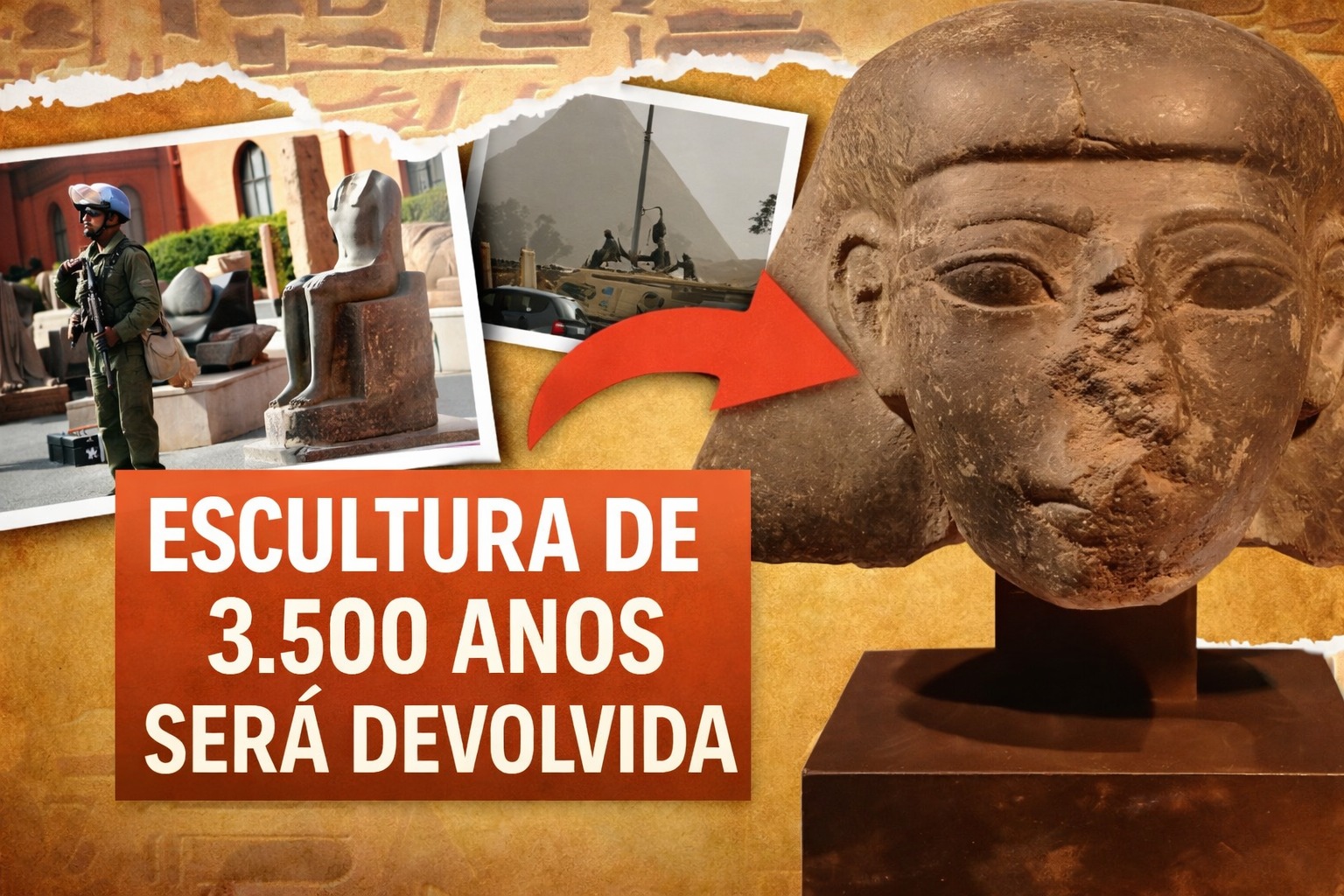


3,500-Year-Old Artifact Reappeared in Europe After a Decade, Identified at an Art Fair and Returned to Egypt, Highlighting International Cooperation in the Defense of Historical Cultural Heritage
The return of a historical artifact to Egypt this Thursday (02/06) concludes a journey marked by thefts, investigations, and diplomatic negotiations. The sculpture, a stone head about 3,500 years old, had been illegally removed from the African country and reappeared in Europe a decade later, reigniting debates about cultural heritage and restitution.
Artifact Disappeared Amid Instability
According to the authorities, the object was reportedly stolen during the unrest of the Arab Spring, between 2011 and 2012. Amid the unstable situation, various historical goods were looted from Egypt.
The sculpture in question ended up illegally entering the Netherlands and remained off the official radar for years until it appeared in 2022 at an arts and antiques fair in the city of Maastricht.
-
China Develops Custom 140-Ton Electric Mining Truck with 770 kWh Swappable Battery, Deploys 290 Units in Xinjiang’s Largest Zinc Mine

-
Meta to Launch Arena, a New Prediction App Targeting 3.56 Billion Users, Competing with Polymarket and Kalshi

-
Scientist Challenges Famous Human Evolution Theory, Argues Homo Sapiens Evolved Gradually Over Thousands of Years
-
15-Year-Old American Builds Ocean Generator with PVC Pipe and 3D-Printed Propeller for $12, Wins National Prize, Presents at White House, and Makes Forbes 30 Under 30 List




Following an anonymous tip, the Dutch police and the cultural heritage inspection initiated an investigation that culminated, in 2025, in the confirmation that the artifact had been illegally removed from Egyptian territory.
The case reinforced the importance of international cooperation in the protection of cultural goods.

Origin and Historical Significance
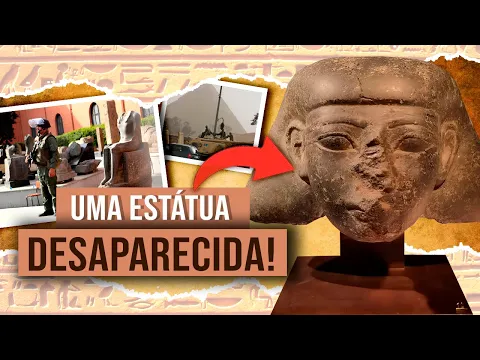
Experts indicate that the stone head was part of a statue block and originated from Luxor, in southern Egypt.
The piece would depict a high official from the reign of Pharaoh Thutmose III (1479–1425 BC), a central figure of the New Kingdom.
This type of sculpture was common in administrative and religious contexts, increasing its historical and symbolic value.
The work was confiscated in 2022. The Sycomore Ancient Art gallery, which had acquired the object, expressed doubts about its provenance and voluntarily decided to return it after the investigations began.
Repatriation and Future of the Sculpture
During the return ceremony, the Dutch Minister of Culture, Gouke Moes, stated that the principle of the country is to return what does not belong to it to the respective cultural group or nation.
The Egyptian ambassador to the Netherlands, Emad Hanna, emphasized that Egypt closely monitors artifacts that appear at exhibitions and auctions, highlighting the cultural, tourist, and economic importance of these recoveries.
It is still undecided where the sculpture will be exhibited. In November, Egypt inaugurated the Grand Egyptian Museum on the outskirts of Cairo, a complex of about 500,000 square meters, equivalent to approximately 70 football fields.
The space houses over 100,000 artifacts spanning seven millennia of history, including Pharaonic, Greek, and Roman antiquities.
Highlights include the complete collection of Tutankhamun, with over 5,000 pieces, and the 42-meter-long funerary boat of Pharaoh Khufu, an antiquity over 4,000 years old.
With information from DW.com.






Si van a traducir, háganlo bien, “devolvida” no existe en español. 500 mts. cuadrados es una superficie de 50 x 10 mts. no de 70 campos de futbol. La colección completa de Tutankamón tiene “más de 5 piezas” uff!!! “Una antigûedad de más de 4 años”… ¿Les parece mucho? ¿No tienen un corrector? Dejar la redacción en manos de un adolescente o de una IA inmadura no es buena idea…