






 Portuguese
  Spanish
  2 min of reading
  0 comments


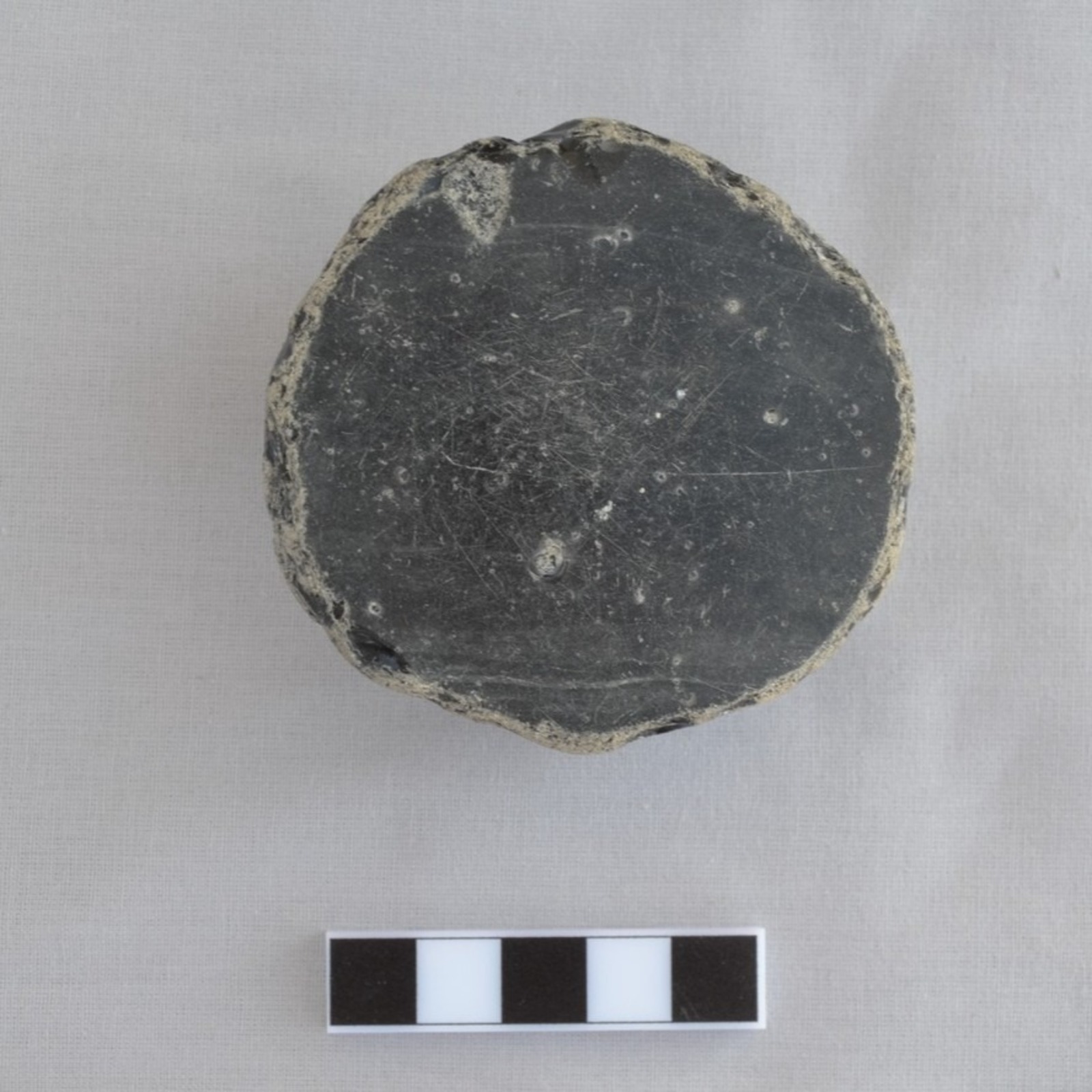
Discovery of a Mirror Dating Back to 6,500 B.C. in Canhasan Highlights Technical Mastery, Regional Artistic Tradition, and New Clues About Neolithic Practices
An obsidian mirror approximately 8,500 years old has emerged at the archaeological site of Canhasan in Turkey, providing new insights into the Neolithic period. The team responsible announced the find on Friday during the second phase of excavations that are part of the Heritage for the Future project.
The site features mounds that preserve an ancient street system of about 10,000 years old. Additionally, archaeologists also located various obsidian tools.

Details About the Material Found
The volcanic rock drew attention due to its dark color and high silica content. Thus, its use was common in the production of various objects. The pieces found reinforce the region’s importance in Neolithic craftsmanship and technology.
-
Helicopter Drops 180 Tons of Sand and Gravel on Swedish River to Revive Ecosystem Damaged by Decades of Exploitation

-
Brazilian Company Launches Retro Smartphone with 48 MP Camera, T9 Keyboard, and Privacy Features for Social Media-Free Use

-
Self-Taught Chinese Farmer Builds 5-Ton Submarine from Scrap, Launches It in Anhui River
-
Invisible Induction Technology Enables Wireless Power for Blenders, Coffee Makers, and Air Fryers, Reducing Countertop Cables





“We found significant examples among the obsidian finds“, explained Adnan Baysal, the excavation leader. He emphasized that the objects reveal a decoration tradition maintained over time.

Mirror from 6,500 B.C.
The mirror, dated to approximately 6,500 B.C., indicates that the production of such pieces was a local innovation.
Therefore, the object reinforces the idea that Canhasan had technical and artistic mastery in manipulating volcanic glass. These mirrors required great skill.
The molding and polishing process was complex because the obsidian needed to be worked with precision and abrasive materials. “This was not just any artisanal work“, stated Baysal. “It was specialized technology.“
Symbolic Value and Uses of Obsidian
In the East, obsidian was used in the production of tools, ritual objects, and trade items.
Thus, finding a mirror made from this material also suggests a possible symbolic value related to status or identity. The find broadens the understanding of daily life and cultural practices in the Neolithic period.

Other Revealed Pieces
Archaeologists also identified arrowheads made of obsidian and decorated with linear incisions. The observed patterns appear to be unique to the region.
According to Baysal, these engravings reinforce a local tradition that distinguishes itself from other Neolithic sites.

With information from Revista Galileu.




-

-

-

-

8 people reacted to this.