






 Portuguese
  Spanish


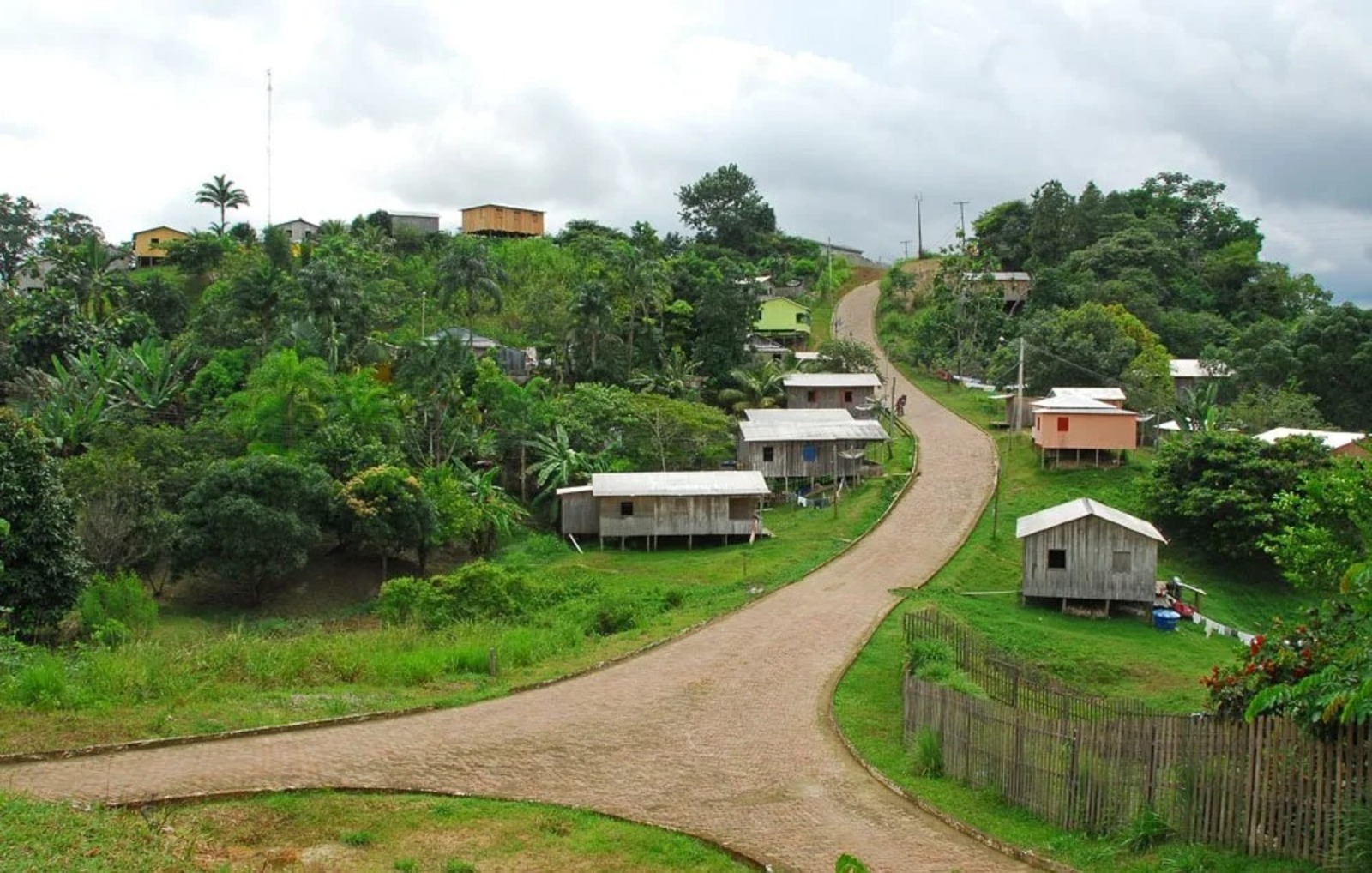


Municipality in the Far West of Acre Depends on Airplanes or Long River Journeys, Faces High Costs, Logistical Constraints, and Impacts on Health, Supply, Economy, and Daily Life of 17 Thousand Inhabitants
Located in the far west of Acre, in the heart of the Amazon, Marechal Thaumaturgo is considered one of the most inaccessible cities in Brazil, with restricted access by airplane or rivers, an isolation that affects local routine, the economy, public services, and the daily life of just over 17 thousand inhabitants.
For those trying to reach the municipality by river, the journey can last at least two weeks, varying according to river level, weather conditions, and the type of vessel available.
Without road connections to other cities, the municipality relies exclusively on air or river routes, which limits travel, raises product prices, and complicates regular movement of people.
-
SpaceX launch turned Falcon 9 into a giant jellyfish in the night sky, with a colorful plume illuminated by the Sun at high altitude, confusing observers and showing how a routine flight can become a rare spectacle of atmospheric physics over Earth.

-
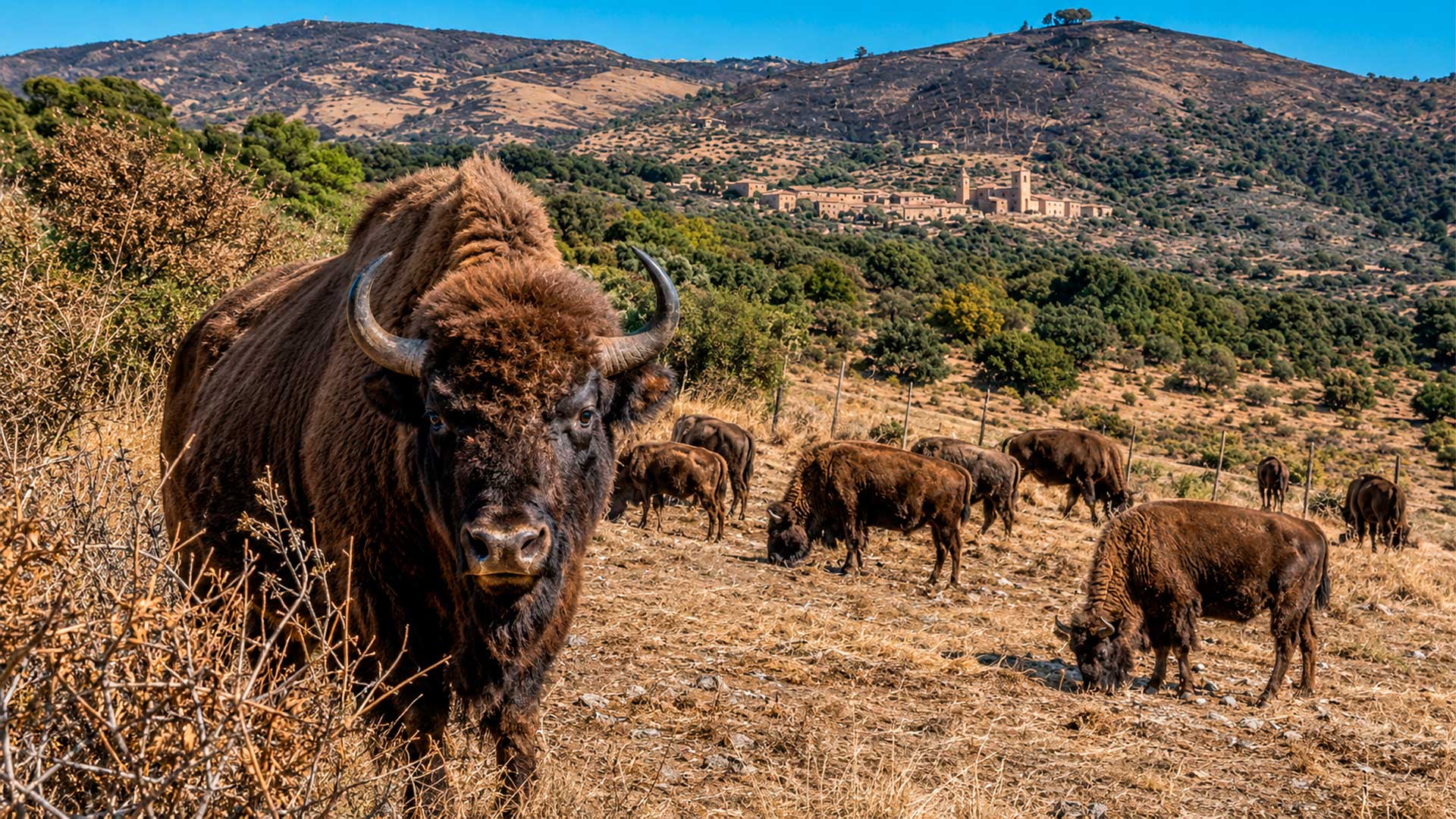
Spain places 9 bison in a fenced area of 400 hectares to test a new barrier against fire, but scientists warn that, although they control the underbrush, there is no evidence that the animals can reduce large fires.

-
YOU LOOK AT SUGAR EVERY DAY, BUT THERE IS A BAN ON IT THAT ALMOST NO ONE KNOWS; UNDERSTAND WHY MAKING IT AT HOME IS NOT ALLOWED IN BRAZIL

-
Arrival of the São Francisco River waters in Rio Grande do Norte marks a historic chapter, boosts development, and symbolizes social justice for millions of Northeasterners.



The fastest way to access the area is by small aircraft, on flights mainly departing from Cruzeiro do Sul, subject to availability, weather, and operational capacity.
The alternative involves facing long journeys along the region’s rivers, especially the Juruá River, requiring planning, physical endurance, and adaptation to unforeseen circumstances.
Isolation and Impacts on Daily Life
The geographic isolation directly influences local supply, making it more complex to bring in food, medication, and fuels necessary for the daily lives of the population.
Public services and construction projects also face logistical hurdles, as equipment, materials, and teams need to be transported by airplane or boat, raising deadlines and costs.
More complex health services require travel to other municipalities, reinforcing the dependency on air transport and increasing challenges for residents.
These limitations shape a routine marked by prolonged waits, constant adaptations, and a different relationship with time and distances, experienced in a slower manner.
Subsistence-Based Economy
With just over 17 thousand inhabitants, the local economy is primarily sustained by family farming, fishing, and extractivism, activities linked to the Amazon environment.
Production mainly meets local consumption, with limited surpluses due to transportation difficulties and high logistical costs.
These activities guarantee income and food, but depend directly on natural conditions and the preservation of available resources.
Culture, Nature, and Resilience of the City
Despite the isolation, the city stands out for its environmental preservation and the maintenance of cultural traditions strongly connected to the forest and rivers.
Life follows its own rhythm, with close community relationships and practices inherited from generations who learned to live with distance.
For those who arrive, even after weeks of travel, the municipality reveals a true portrait of the challenges, natural wealth, and human resilience in the deep Amazon, where living requires adaptation, patience, and a strong bond with the territory.
With information from Portal6.


PORTO WALTER no Acre talvez seja a mais inacessível do Brasil.
Gostaria de ter a oportunidade de morar neste município estou cansado de Fortaleza ce uma cidade muito violenta
Só comprar um pedaço de terra alguns animais tipo galinhas, porcos, Pato e vai viver do que a terra oferecer