Portuguese
  Spanish


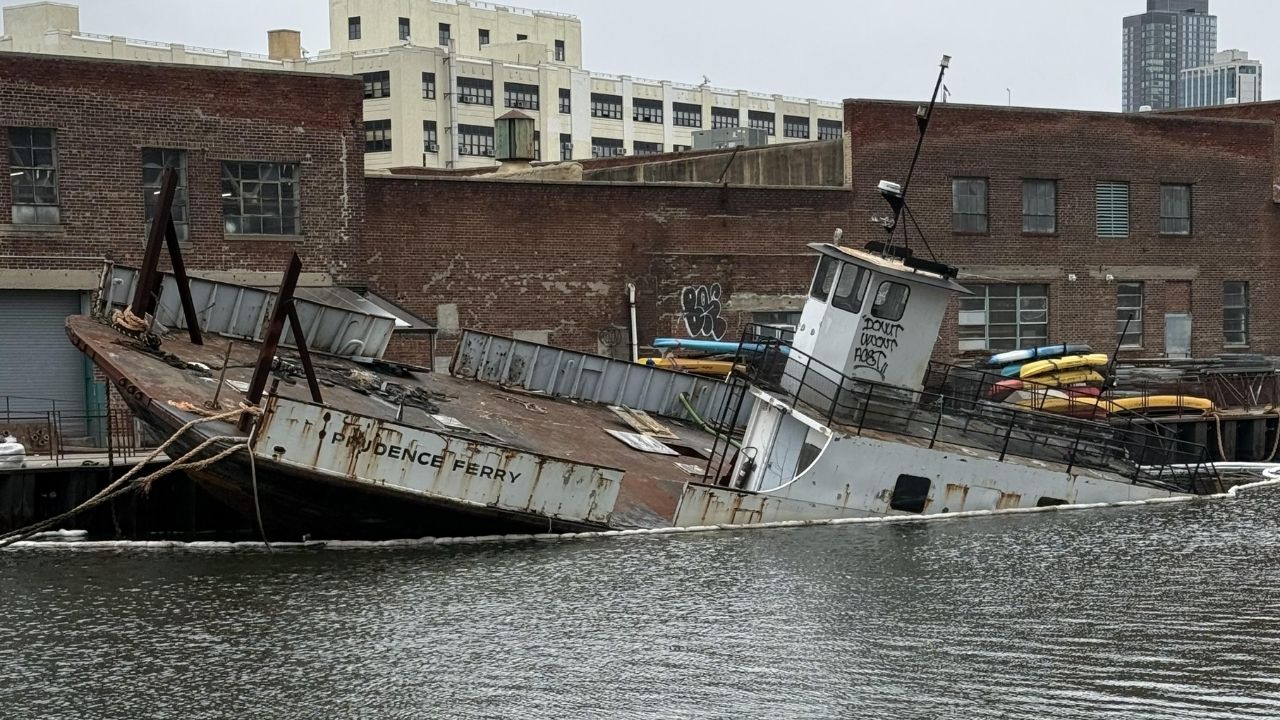
According to the New York Post, the old Prudence Ferry, which has been idle for more than 10 years in Long Island City, began to be cleaned by volunteers on March 29, 2026, to become an artificial reef in the Atlantic, after almost sinking when the engine room was flooded in the winter.
The old Prudence Ferry, which once transported people and cars in Rhode Island, spent more than a decade rusting in Anable Basin, in Long Island City, Queens, New York, until it gained a new planned destination in the Atlantic.
According to the New York Post, volunteers began on Saturday, March 28, 2026, to remove loose materials, old wires, deteriorated vests, and peeling paint from the hull, a necessary step before the vessel can be sunk to form an artificial reef.
Prudence Ferry was idle for more than a decade
The Prudence Ferry was purchased in 2012 by the local company Plaxall, for $70,000, with the idea of transforming it into a floating beer garden. However, the plan did not progress due to regulatory hurdles and structural issues.
-
The battery that promises to change cell phones and electric cars still has a microscopic enemy: researchers discover how lithium dendrites pierce the solid electrolyte and are already testing ways to prevent cracks and short circuits.

-
SpaceX launch turned Falcon 9 into a giant jellyfish in the night sky, with a colorful plume illuminated by the Sun at high altitude, confusing observers and showing how a routine flight can become a rare spectacle of atmospheric physics over Earth.

-
Advancement in science: a new plastic developed by researchers in the USA combines structural strength and thermal blocking in a single technology, opening new possibilities for construction, transportation, electronics, and sustainable solutions with a direct impact on global energy efficiency.
-
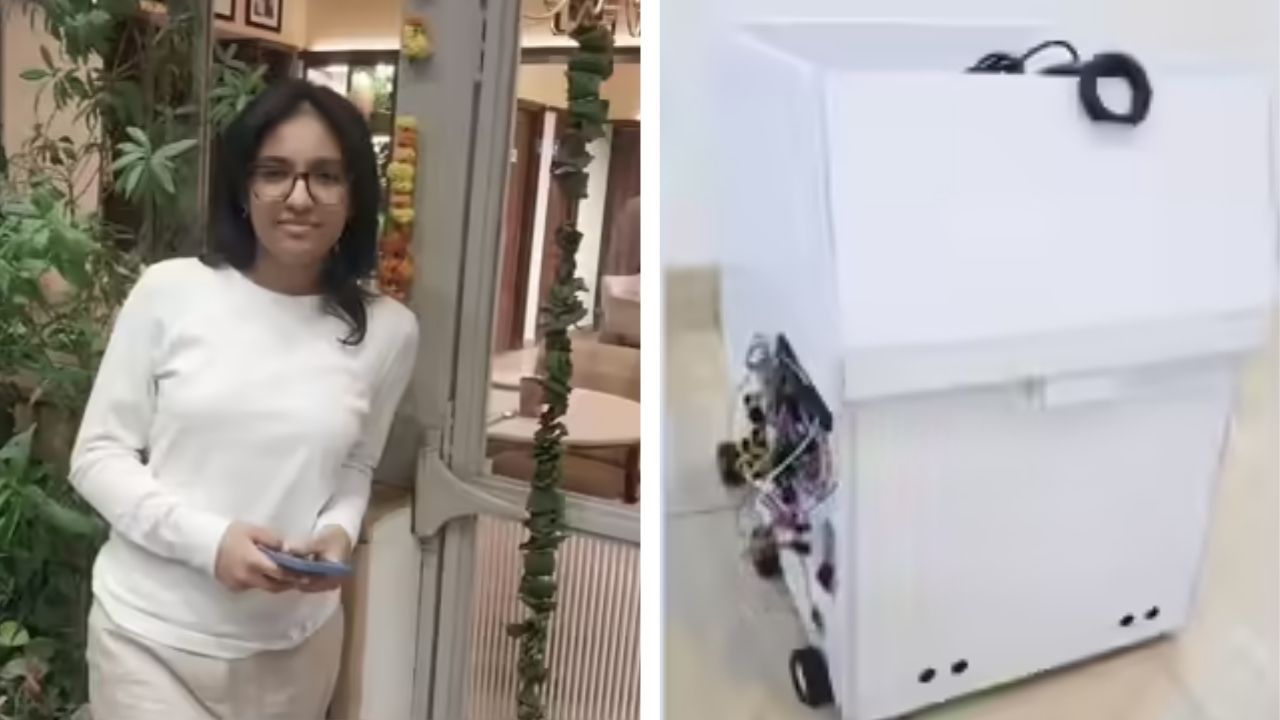
A 17-year-old student created an artificial intelligent trash can that moves by itself through schools and parks, finds trash, separates waste with 90% success, and turns recycling into an automatic, mobile task that is harder to ignore in busy public spaces.



As a result, the vessel remained idle in Long Island City for more than ten years. What was once a commercial project began to be seen by divers and artificial reef advocates as a possible structure to house marine life.
Near sinking accelerated the need to act
The plan was almost halted by the harsh winter weather. According to the report, the old ferry partially deteriorated and had its engine room flooded the month before the cleanup.
Bill Cadden, president of the Long Island Artificial Reef Society, managed to pump out the water and refloat the vessel. The recovery allowed the project to continue, but also reinforced the urgency to prepare the hull before further deterioration occurred.
Volunteers began to remove everything that could harm the sea
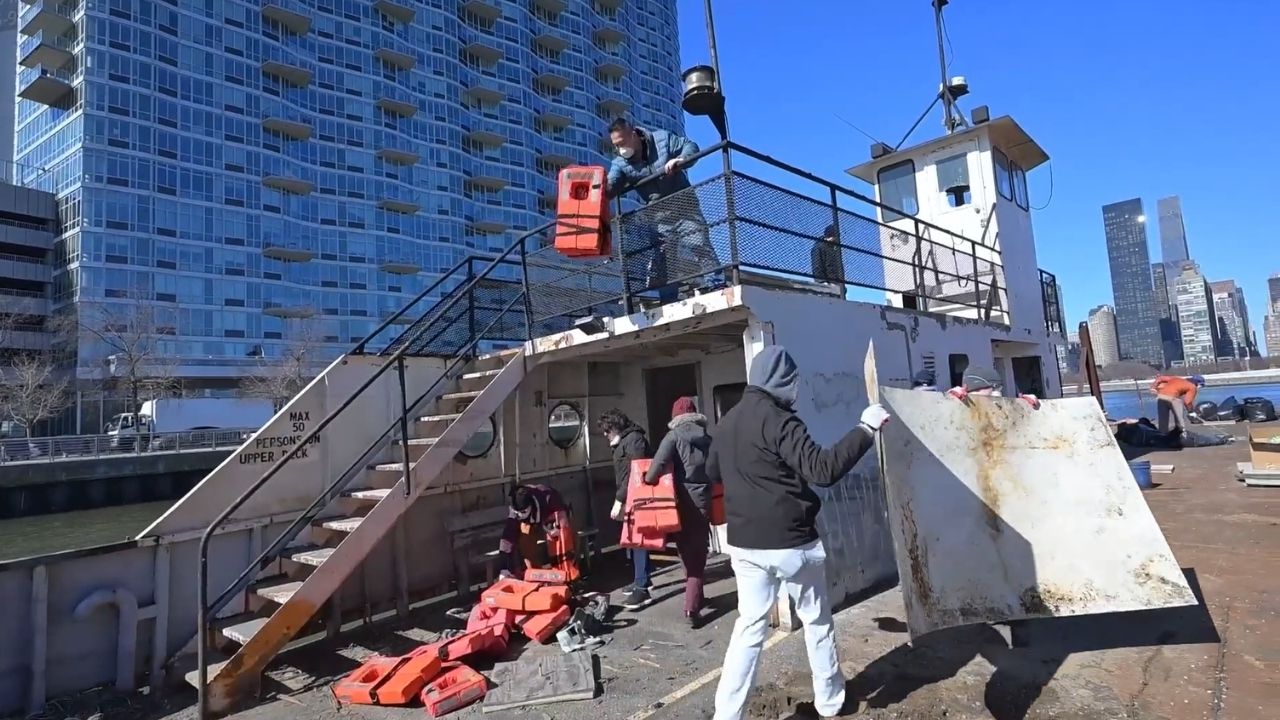
About a dozen volunteers participated in the first cleanup action on Saturday. They removed old wiring, swept floors, took out decomposing life jackets, and began peeling off loose paint.
The cleanup is a crucial step because the vessel cannot simply be taken to sea with materials that pose a risk. Before becoming an artificial reef, the barge needs to be cleared of debris that could trap animals, release fragments, or contaminate the environment.
Idea came from a diver who saw the unused barge
Harris Moore, a 36-year-old local diver, was the one who proposed giving a new purpose to the Prudence Ferry. He told the New York Post that he was bothered when passing by the abandoned vessel and saw it as a suitable size for the project.
Moore joined Bill Cadden and the Long Island Artificial Reef Society to try to transform the structure into an underwater habitat. According to him, vessels of this type are sought after by reef advocates because they provide a physical base for marine organisms to attach to.
Probable destination is the 16-Fathom reef
The Prudence Ferry is expected to have its final destination at the 16-Fathom artificial reef, located about 13 nautical miles southwest of Fire Island Inlet, in the Atlantic.
The plan is to sink the vessel in the summer, after further cleaning stages. The report states that volunteers should return in the following weeks to continue the preparation work before heading to the final point.
Rigid structures help form habitat on the seabed
Harris Moore explained to the New York Post that, in marine ecosystems, rigid structures are important because many organisms need a physical surface to attach to. Mussels, oysters, corals, sponges, and algae do not simply grow on open sand.
When these organisms settle, other animals begin to approach in search of food and shelter. A properly sunk hull can become a point of marine life, while nearby sandy areas may remain almost empty.
New York has already used other structures as reefs
The proposal is not new in the region. According to the report, the MTA has already dumped thousands of old train cars into the Atlantic since 2001 to be used as habitat for flounders, tunas, corals, barnacles, and other marine species.
This context helps to understand why the Prudence Ferry is being prepared carefully. The vessel will not be discarded as common scrap but incorporated into an artificial reef program with ecological and recreational objectives.
From urban rust to underwater structure
The story of the Prudence Ferry shows how a stationary vessel can gain new use when there is planning, cleaning, and proper environmental allocation. The central point is not to sink an old ferry out of abandonment, but to prepare a structure to become part of a marine ecosystem.
The practical question remains: should coastal cities reuse more old vessels as artificial reefs, provided they undergo rigorous cleaning and environmental control? Or does the risk of turning the ocean into a dump still concern? Leave your opinion in the comments.