Portuguese
  Spanish


Os resultados indicaram que a pressão interna dos dendritos é a principal responsável pelas fraturas. À medida que crescem, eles exercem uma força que rompe o eletrólito cerâmico, abrindo caminho para curtos-circuitos.
Compreender esse mecanismo é crucial para o desenvolvimento de baterias de estado sólido mais seguras e eficientes. A pesquisa do Instituto Max Planck pode ajudar a criar soluções que impeçam o crescimento dos dendritos ou reforcem o eletrólito contra a pressão interna.
O avanço pode acelerar a chegada de baterias de estado sólido ao mercado, oferecendo dispositivos com maior autonomia e segurança.
-
An old ferry rusted for more than 10 years in New York, almost sank after the engine room was flooded, and now volunteers are rushing to clean the hull, remove wires, life jackets, and loose paint before sinking it in the Atlantic to become an artificial reef full of marine life.

-
SpaceX launch turned Falcon 9 into a giant jellyfish in the night sky, with a colorful plume illuminated by the Sun at high altitude, confusing observers and showing how a routine flight can become a rare spectacle of atmospheric physics over Earth.
-
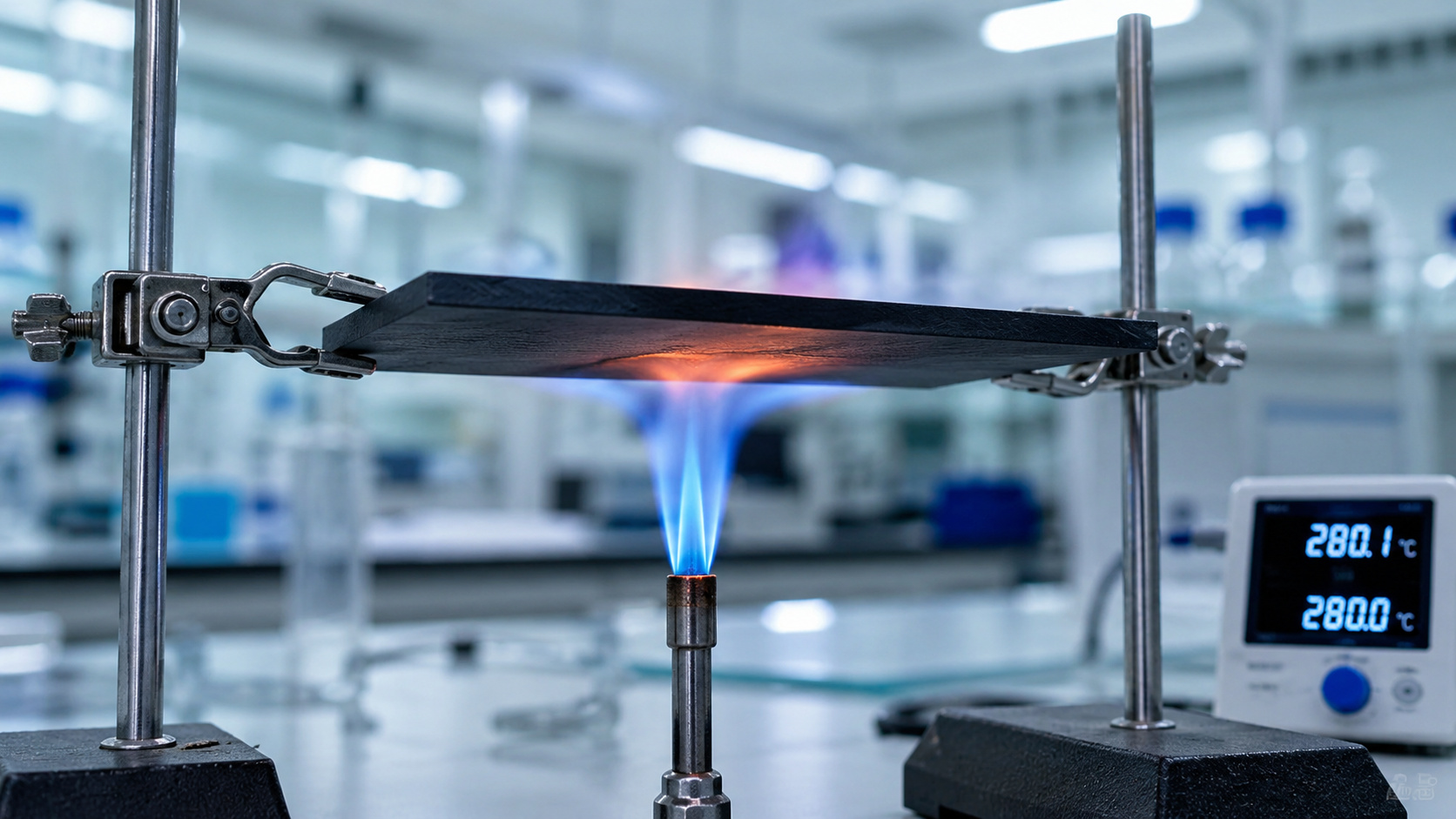
Advancement in science: a new plastic developed by researchers in the USA combines structural strength and thermal blocking in a single technology, opening new possibilities for construction, transportation, electronics, and sustainable solutions with a direct impact on global energy efficiency.

-
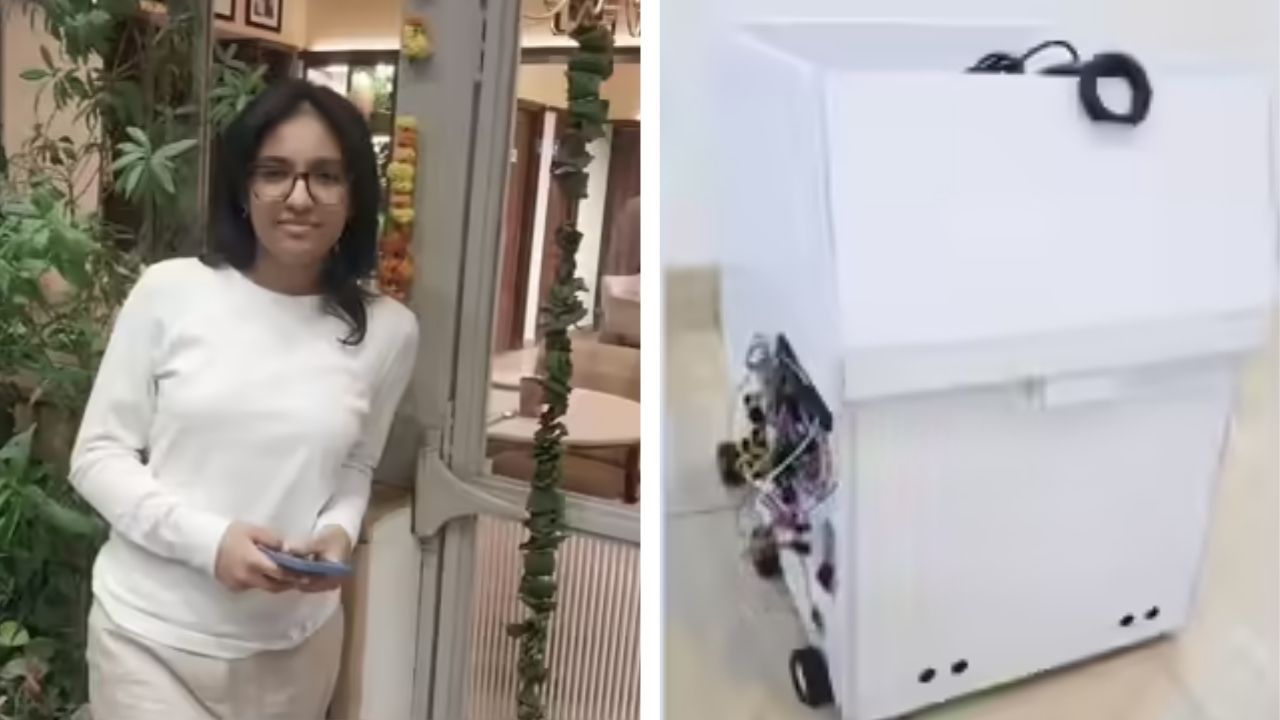
A 17-year-old student created an artificial intelligent trash can that moves by itself through schools and parks, finds trash, separates waste with 90% success, and turns recycling into an automatic, mobile task that is harder to ignore in busy public spaces.


The analysis of internal stresses and plastic deformation showed that there was no lithium accumulation at the tip of the dendrite. Thus, one of the considered mechanisms was discarded.
The results indicated that the hydrostatic stress within the dendrite ultimately causes the brittle fracture of the solid electrolyte. The phenomenon was compared to a continuous jet of water capable of penetrating a rock.
Researchers study ways to avoid failures
The conclusions were also confirmed by phase field simulations and electron backscatter diffraction measurements.
Now, the team is evaluating strategies to delay or prevent the damage. Among them are more resistant electrolytes, microscopic voids that deflect the dendrites, and protective coatings capable of reducing their formation on lithium electrodes.
The study was published in the journal Nature and brings together an interdisciplinary team.