






 Portuguese
  Spanish
 4 min of reading
  2 comments




Program Predicts 150 Hydroelectric Projects, Investment of R$ 572 Million in Electric Grid and Generation of 20,000 Direct and Indirect Jobs in Santa Catarina, Also Boosting the Local Industry with Turbines and Generators Production.
Did you know that Santa Catarina has a program aimed at unlocking licenses and expanding electrical infrastructure focused on small hydroelectric plants?
This initiative, called Energia Boa, has already mapped 150 projects and provides direct support to 48 ventures in construction or project phase.
The plan anticipates a public investment of R$ 572 million in the grid, with new substations and transmission lines, and a projection of 20,000 jobs from the construction of the plants and positions created in the local industry.
-
Brazilian Joins Homeownership Consortium, Faces Decade of Dual Payments Totaling $141,000, Surpassing Traditional Mortgage

-
Land Rover to Halt Production in July, Putting 371 Jobs at Risk, as Chinese Automaker Negotiates to Convert Factory to 100,000 Vehicles Annually by 2027

-
Mexican Pest Threatens U.S. Cattle Herds at Historic Lows, Potentially Boosting Brazilian Beef Exports as Burger Prices Soar

-
Brazilian Freight Bill Progresses in Congress with $5,000 Minimum Wage, 70% Advance Payment, and Fines Up to $1 Million, as Agriculture and Industry Warn of Rising Costs and Legal Uncertainty


Energia Boa Program Accelerates Hydroelectric Plants in SC
Created to reduce steps and speed up analyses, Energia Boa prioritizes the processing of environmental documents, grants, and essential authorizations for small hydroelectric plants (PCHs) and mini-hydroelectric plants (CGHs).
The coordination is led by the State Secretariat of Industry, Commerce and Services, in partnership with agencies such as the Environmental Institute (IMA) and Celesc.
With the integration of teams, the government seeks to reduce the time between project conception and the start of works, while maintaining technical and environmental requirements.
Regions with the Highest Concentration of Projects
The highest concentration of proposals is in areas with high water availability.
The Planalto Serrano has 65 projects, while the Grande Oeste has a total of 56.
This distribution follows the potential of the region’s rivers and favors distributed generation, connecting smaller power plants directly to consumption points, reducing losses and increasing system security.
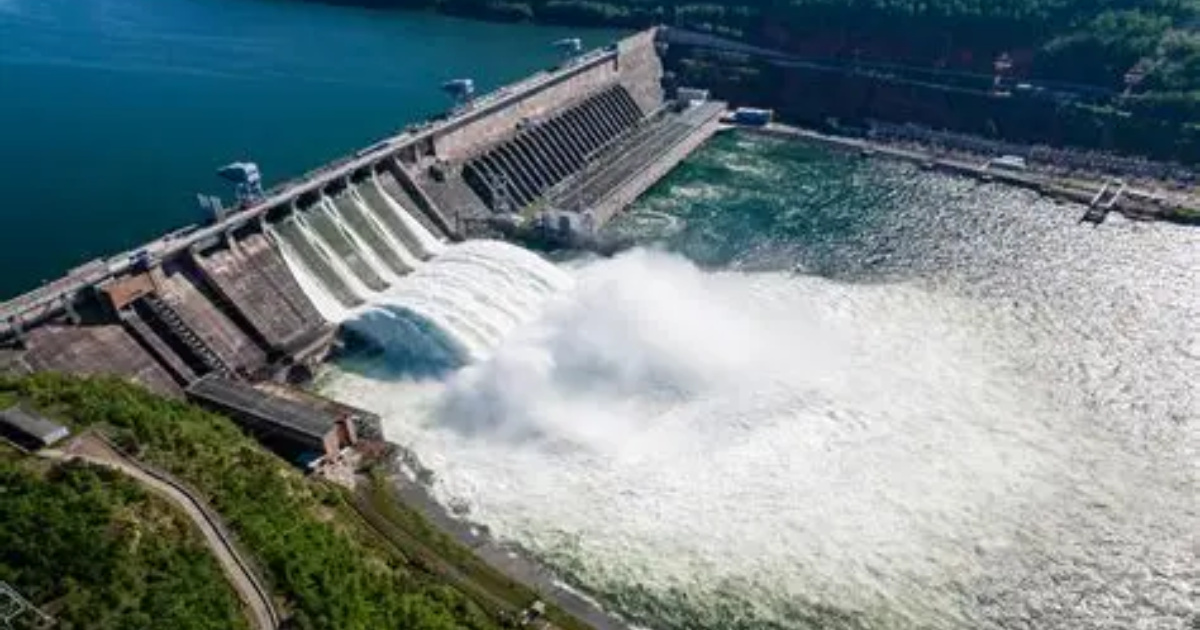
R$ 572 Million in Substations and Transmission Lines
To enable the connection of new plants, Celesc is executing a package of works estimated at R$ 572 million.
The scope includes the construction of six substations and approximately 225 kilometers of transmission lines, infrastructure necessary to bring the generated energy to residential and industrial consumers.
These deliveries create capacity for the entry of new ventures and alleviate historical bottlenecks in network points.
Santa Catarina Industry Strengthens Equipment Supply Chain
In addition to the construction sites, the program stimulates local manufacturers.
According to Governor Jorginho Mello, “Santa Catarina produces all the equipment necessary to build a PCH or CGH. This brings significant movement to the Santa Catarina industrial sector as well.”
The supply chain includes turbines, generators, and electromechanical components, stimulating orders, high-skilled jobs, and maintenance services throughout the plants’ lifecycle.
Forecast of 20,000 Direct and Indirect Jobs
The state government’s projection is of 20,000 direct and indirect job openings during the implementation phase of the projects and in the supplying industry.
Meanwhile, municipalities in Planalto Serrano and the West expect increased revenue, new businesses, and improved supply quality.
This condition is essential to expand industrial shifts, attract companies, and sustain activities such as agribusiness and tourism.

How Bureaucracy Reduction Works
With Energia Boa, license and authorization requests receive coordinated analysis among public agencies.
The intention is to eliminate rework, standardize requirements, and provide predictability of deadlines.
Entrepreneurs report that the prioritization has shortened critical steps, allowing advancement to contracting works and acquiring equipment with a lower risk of delays.
Impacts on Energy Consumption and Supply
The expansion of substations and transmission lines benefits not only the new generators.
By diversifying supply and reducing overloads in sensitive sections, the grid tends to become more stable, with fewer interruptions and higher quality of voltage.
During periods of higher consumption, especially in the winter, the reinforcement makes the system more resilient to fluctuations and adverse weather.
Environmental Licensing Integrates the Process
The participation of IMA is crucial for ensuring that the expansion progresses safely from an environmental standpoint.
The licensing for PCHs and CGHs requires impact studies, mitigation measures definition, and compliance with conditions.
The program does not eliminate regulatory steps.
It organizes queues, guides proposers, and prioritizes technically mature projects, within current rules.
Perspectives for Growth in the Energy Sector
With 150 registered projects, the project pipeline can sustain a cycle of ongoing investments.
The execution of the six substations and transmission lines serves as a trigger for connecting hydroelectric plants to the grid, a step without which the generated energy does not reach homes and businesses.
As projects come to fruition, new supply and maintenance contracts should keep the industry engaged.
Why the State Bets on Small Plants
The strategy focuses on renewable sources with relatively quick implementation and less flooded area compared to large plants.
In parallel, distributed generation reduces transport losses and increases regional autonomy.
Still, each project goes through technical evaluation to ensure economic feasibility and compatibility with the surroundings, avoiding overlapping impacts.
Monitoring and Governance of the Program
The state government maintains oversight of actions through the involved secretariats and Celesc itself.
Information on network works, issued licenses, and project progress is updated by the responsible agencies.
This governance seeks to provide transparency in results, measure deadlines, and allow for course corrections when necessary.





Eu quero um emprego lá. Isso é seguir em frente
Com Marina Silva comandando o IBAMA eu duvido que ela deixe o desenvolvimento do Brasil avançar!